Can You Replace Just One Side of a Sliding Glass Door?
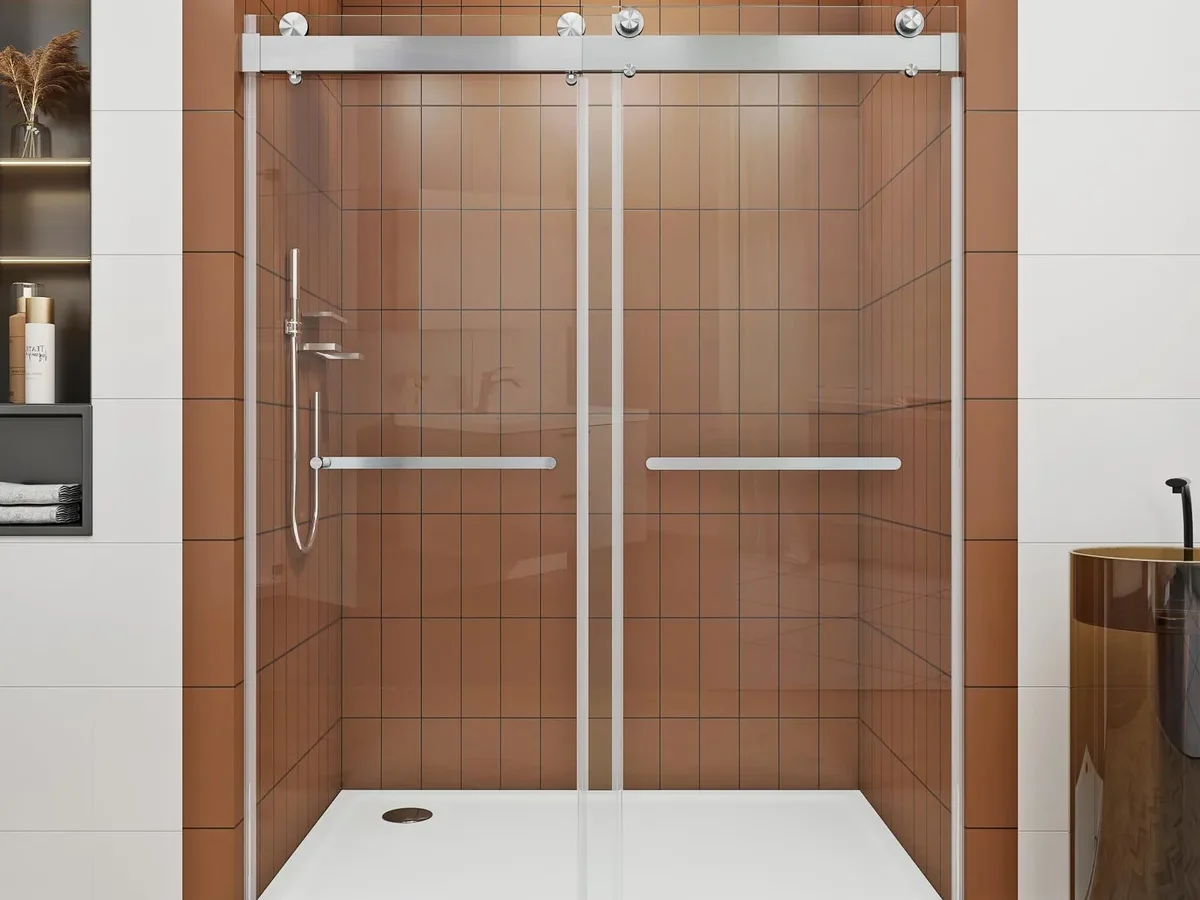
Your sliding glass door panel is cracked, scratched, or just not sliding right anymore. You're wondering if you can replace just one side of a sliding glass door without replacing the whole frame. The short answer is yes, but it depends on a few conditions most homeowners don't consider until they're halfway through the job.
Per the U.S. Consumer Product Safety Commission, all sliding glass doors must use tempered safety glass that meets ANSI Z97.1 standards. As of 2026, that requirement hasn't changed.
Any replacement panel you buy needs to be safety-rated too. And it needs to match the existing panel's dimensions, glass type, and coating.
Quick Answer: Yes, You Can — But It Depends on These 3 Things
Yes, you can replace just one side of a sliding glass door. The panel must be available as a stock item. Your track must be in good shape.
The new glass must match the old one. If any of these fail, replace both panels.
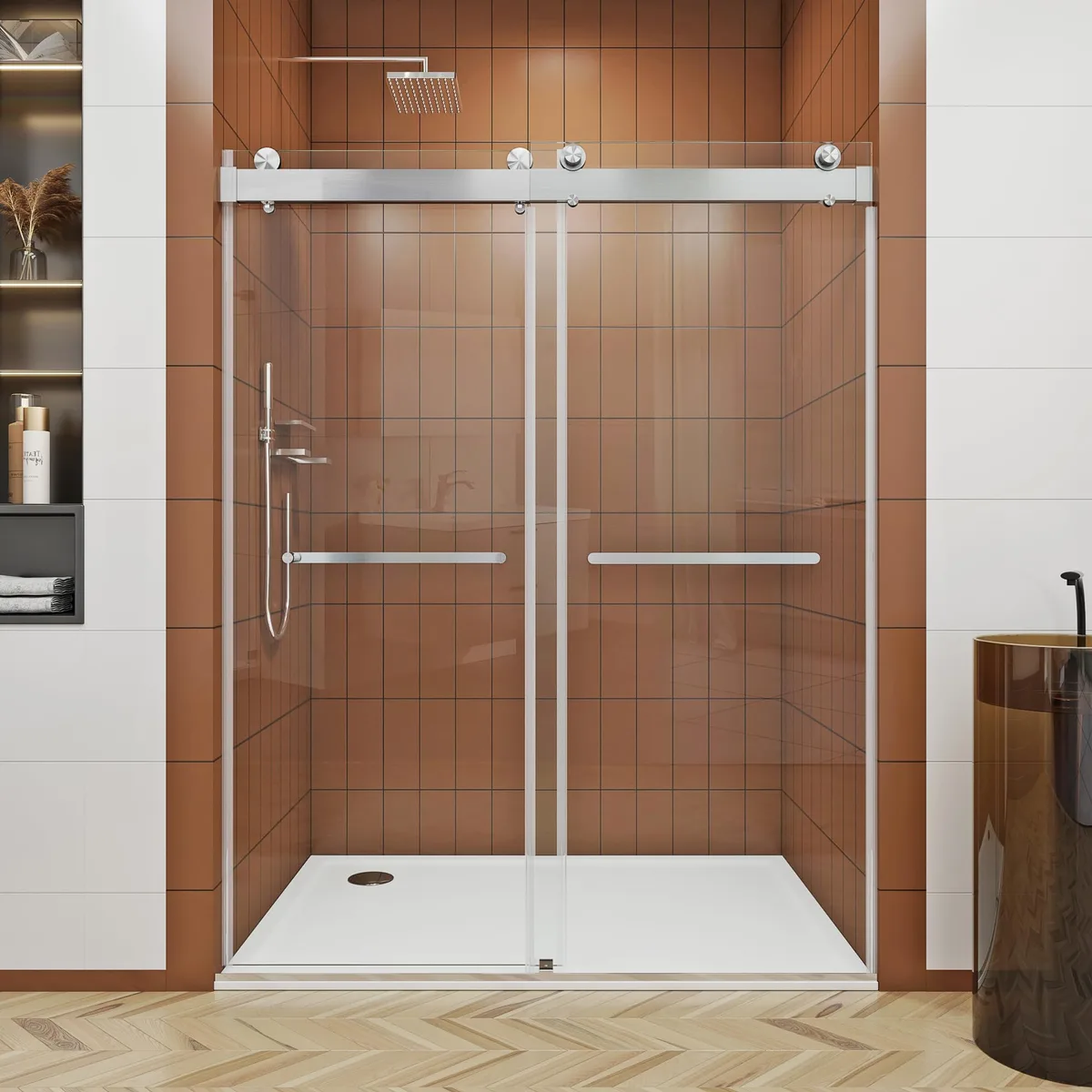
The 3 Condition Variables That Decide If Single-Panel Replacement Works
1. Panel Availability
If the door is a standard size from a major manufacturer, you can likely order just the one panel. If it's a custom size or an older model, the panel might be discontinued. Then you're looking at a custom order or a full replacement.
To check availability, look for a manufacturer stamp on the edge of the frame or the glass. Common brands include Andersen, Pella, Marvin, and Jeld-Wen. Call their parts department with the model number.
They can tell you if the panel is still produced. If not, a local glass shop can fabricate a custom panel, but expect higher costs and longer lead times.
2. Track Condition
Sliding door tracks wear down over time. If the track is bent, corroded, or has raised burrs, a new panel won't slide smoothly. You might need to replace the track or the whole frame.
Check the track with a straight edge before ordering.
3. Glass Matching
The new glass needs to match the old one in thickness, tint, Low-E coating, and gas fill. If the existing panel has a slight blue tint and the new one is clear, the mismatch will be obvious. UV coating differences can also affect energy performance.
Here's a quick reference table:
| Variable | If It's Good | If It's Bad |
|---|---|---|
| Panel availability | Order single panel | Custom order or full replacement |
| Track condition | Swap goes smoothly | Needs track repair or full frame |
| Glass matching | Invisible replacement | Noticeable mismatch or energy loss |
Per the CPSC safety glazing guidelines, any replacement must meet the same impact safety standards. That's non-negotiable.
Your Decision Tree: When to Replace One Panel, Both Panels, or the Whole Door
Start here. Is the track damaged? If yes, consider replacing the whole door.
If no, proceed.
Next. Is the panel available as a stock item? If yes, proceed with single panel replacement.
If no, can you custom order? If yes, expect higher cost and longer wait. If no, replace both panels or the whole door.
Next. Does the glass match? If yes, single panel swap is fine.
If no, consider replacing both panels to ensure a uniform look and energy performance.
Here's a simple decision table:
| Condition | Yes | No |
|---|---|---|
| Track undamaged? | Proceed | Replace whole door |
| Panel available? | Single panel swap | Custom order or full replacement |
| Glass matches? | Single panel swap | Replace both panels |
If you're unsure about any of these, take a photo of the door and the manufacturer label. A local glass shop can help you evaluate.
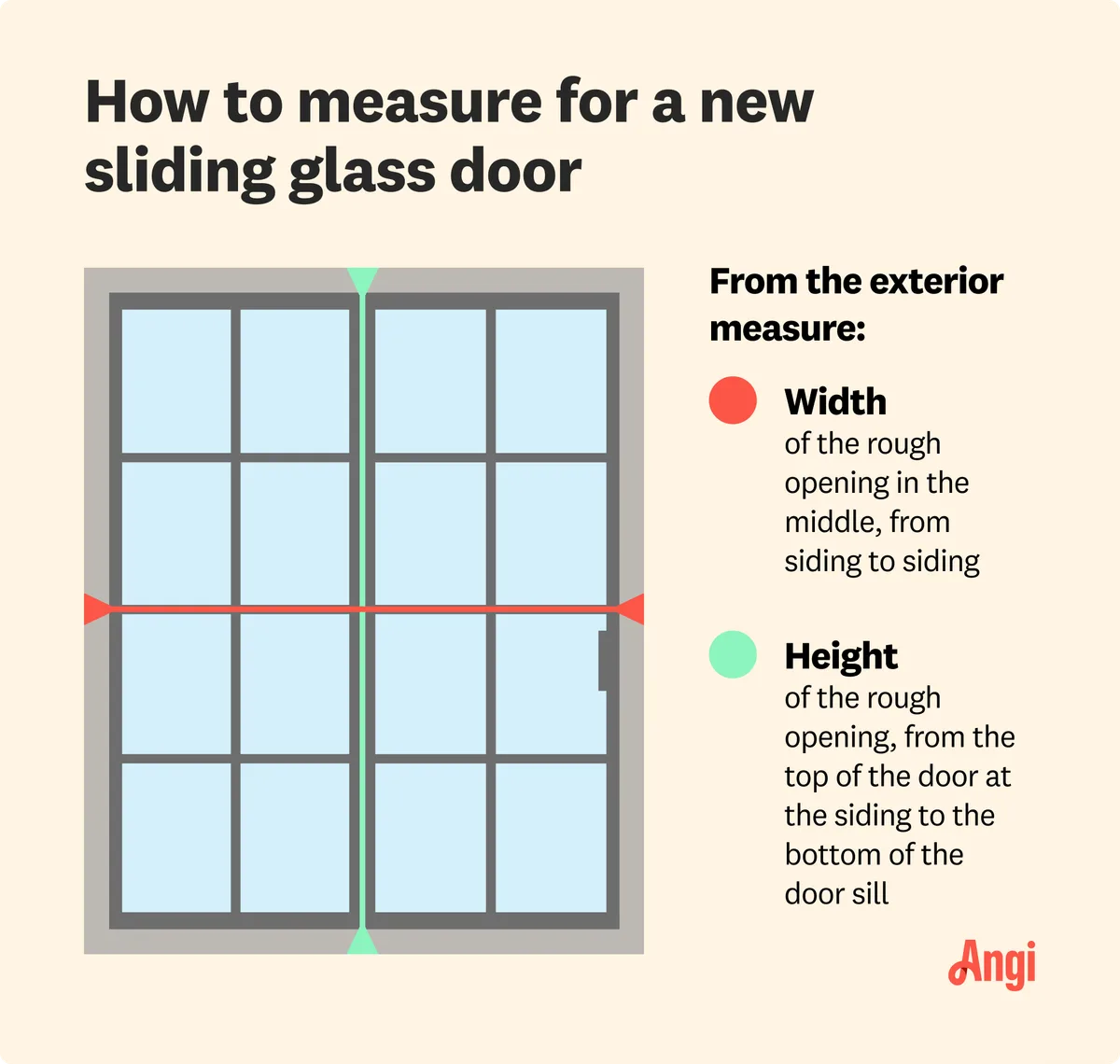
The diagram below shows where to measure. Width, height, and thickness. Also check the interlock stile profile.
That's the vertical edge that meets the other panel. If the profile is different, the new panel won't latch properly.
If your door is more than 20 years old, replacing both panels might be more cost-effective. Parts become scarce. The track may have hidden wear.
A full door replacement also gives you a chance to upgrade to better insulation or glass coatings.
Step-by-Step: How to Source and Install a Single Replacement Panel
Here's the process broken down into simple steps.
Measure the opening. Measure the width, height, and thickness of the glass unit. Also measure the overall panel size including the frame. Write down every number.
Identify the manufacturer. Look for a brand stamp or sticker on the frame edge or glass corner. Note the model number and date code.
Order the panel. Call the manufacturer's parts line or visit a local glass shop. Give them your measurements and model number. Ask about lead time and shipping costs.
Remove the old panel. Lift the panel up into the top track. Then tilt the bottom out. Lower it carefully. Have a helper for panels wider than 60 inches.
Transfer hardware. Remove the rollers, lock, and handle from the old panel. Install them on the new panel. Most rollers use a hex screw for adjustment.
Install the new panel. Tilt the top edge into the top track first. Then lower the bottom onto the rollers. Slide it to the closed position.
Adjust the rollers. Turn the adjustment screw to raise or lower the panel. The panel should glide smoothly with no drag. Test it several times.
Test the lock and seal. Close the panel and check the latch. Feel for air leaks around the edges. Replace the weatherstripping if it's worn.
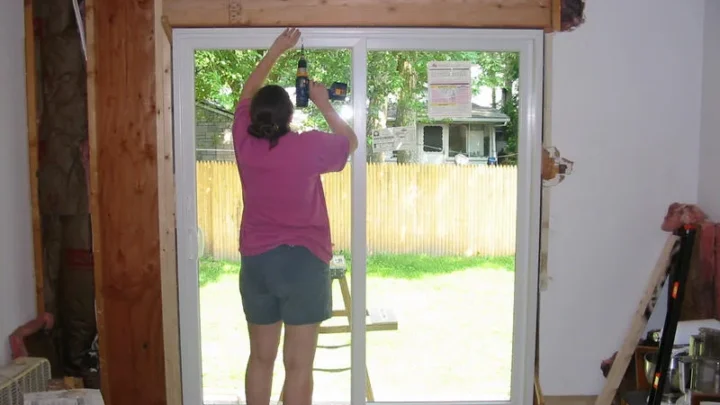
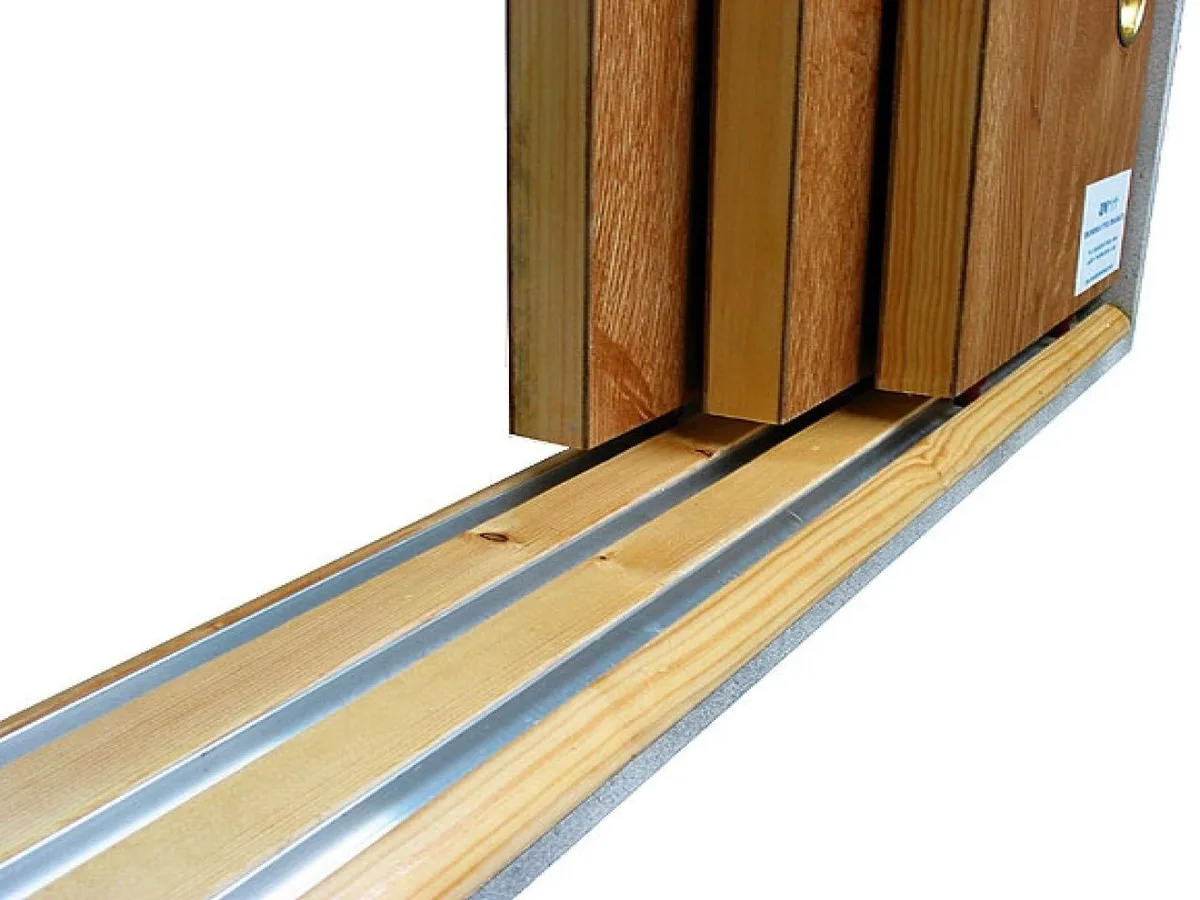
The image below shows a typical installation sequence. The old panel is lifted out of the track. The new panel is tilted in and then lowered onto the rollers.
Wear gloves and safety glasses. The glass is heavy and can break if mishandled. Have a helper for panels over 60 inches wide.
The whole swap takes about 1 to 2 hours for a DIYer.
5 Mistakes That Derail a Single-Panel Swap (and How to Avoid Them)
1. Ordering the wrong size
Measure twice, order once. Even a 1/8-inch difference can cause alignment problems. Always measure the panel itself, not just the opening.
2. Ignoring the glass tint
Hold the new panel next to the old one before installing. If the tint or Low-E coating doesn't match, the mismatch will be obvious from inside and out.
3. Reusing old rollers
Rollers wear out. They're cheap to replace. New rollers ensure smooth operation and prevent the panel from binding.
4. Forgetting the weatherstripping
Old weatherstripping gets compressed and brittle. Replace it for a proper seal. Air leaks waste energy and let in bugs.
5. Not checking the track
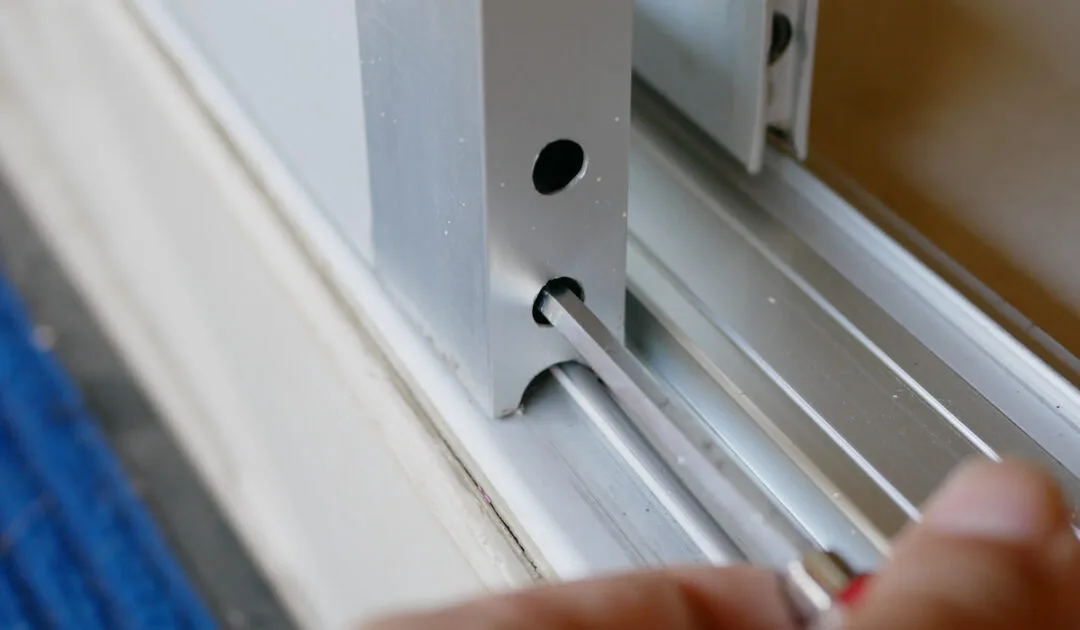
The photo below shows a corroded track that caused a new panel to stick. The track needs to be clean and straight for the panel to slide.
Test the track with a marble or a small ball bearing. Drop it in the track. If it rolls smoothly, the track is good.
If it stops or wobbles, the track is damaged.
A wrong order can cost you $200 or more in restocking fees. Always verify the part number before you buy.
Frequently Asked Questions
How much does it cost to replace just one side of a sliding glass door?
A single stock panel runs $200 to $800. Custom panels cost $400 to $1,500. Professional installation adds $150 to $400.
Compare that to a full door replacement at $800 to $4,000 installed. The savings are real if the panel is available.
Can I replace just the glass without replacing the whole panel?
Yes, if the frame is in good shape. A local glass shop can cut a new tempered glass unit and install it into the existing sash. This costs $100 to $300.
It works best for doors with removable stops or snap-in trim.
What tools do I need to replace a sliding door panel?
You need a screwdriver, hex key set, putty knife, gloves, safety glasses, and a helper. For glass-only replacement, add a glass cutter, glazing points, and silicone sealant. Most homeowners have these tools already.
How long does a single-panel replacement take?
A DIY swap takes 1 to 2 hours. Glass-only replacement takes 2 to 4 hours, including cure time for the sealant. Professional installers finish in under an hour.
The track condition and hardware transfer add time.
Will a single-panel replacement affect my home's energy efficiency?
It depends on the glass match. If the new panel has the same Low-E coating and gas fill, performance stays the same. If the coatings differ, you may see condensation or heat loss on the replaced side.
Check the NFRC label before ordering.
Can I paint or stain the new panel to match the old one?
Only if the frame is wood or wood-clad. Vinyl and aluminum frames cannot be painted to match factory colors. For painted frames, get a color-matched paint from the manufacturer.
A mismatch is obvious on the exterior.
Final Verdict: Is a Single-Panel Replacement Worth It for Your Situation?
A single-panel replacement is worth it when three conditions are met. The track is straight and undamaged. The panel is available as a stock item.
The glass matches the existing panel. If all three check out, you save money and time.
If the track is damaged or the panel is discontinued, replace both panels or the whole door. The upfront cost is higher, but you avoid future problems. Matching glass and hardware becomes easier.
And you get a warranty on the whole assembly.
For homeowners with standard doors less than 20 years old, single-panel replacement is the smart move. For older doors or custom sizes, full replacement is usually the better path. Measure twice, check the manufacturer, and order the right part.
Your door will slide like new.

Similar Posts