Stop Mask Fog on Glasses: 5 Easy Fixes
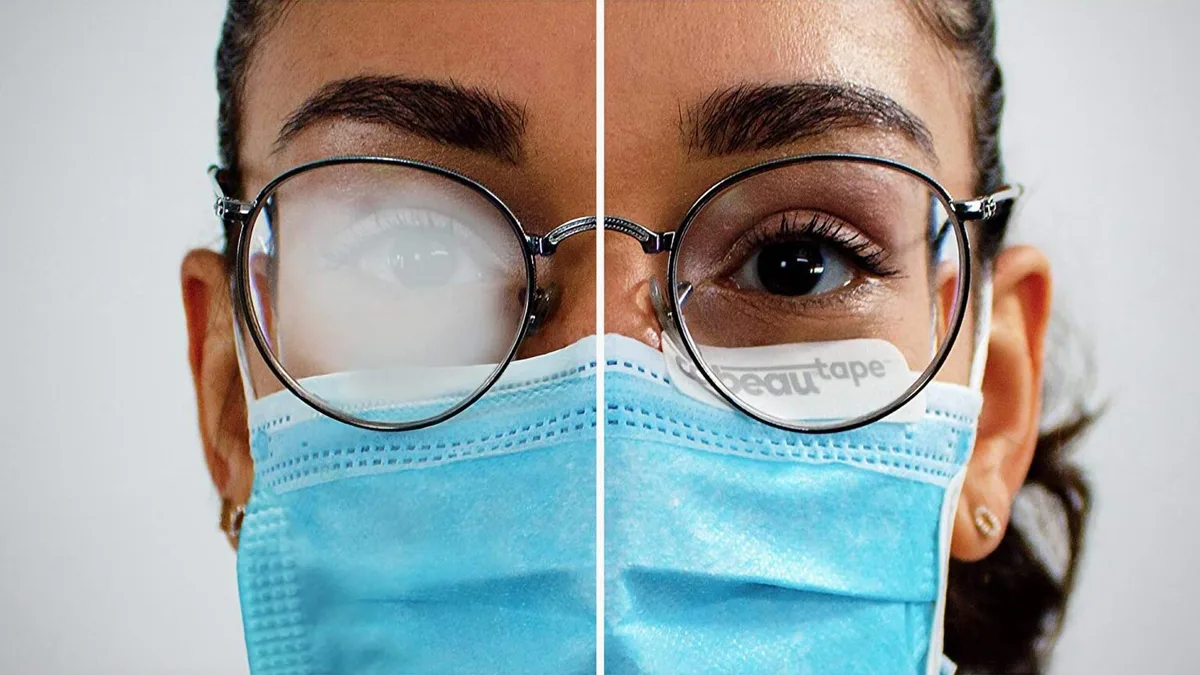
You're tired of your glasses fogging up the second you put on a mask. It's frustrating, distracting, and it can even be dangerous if you're driving or working with equipment. Learning how to prevent glasses from fogging with mask is straightforward once you understand what's causing it.
The physics is simple. Your warm, moist breath escapes upward out of the mask and hits the cooler surface of your lenses. That temperature difference causes condensation.
In clinical settings, fogging can interfere with patient care and safety. Let's walk through the real solutions.
Quick Answer
The fix depends on your mask type. Use a mask with a nose wire. Adjust it to fit the bridge of your nose.
Place your glasses on top of the mask. Apply an anti-fog solution to your lenses. If fogging persists, try adhesive foam strips or a mask brace.
Why Your Glasses Keep Fogging Up
Fogged lenses are more than a minor irritation. They force you to stop, remove your glasses, wipe them clean, and start over. That's a hassle at the grocery store.
It's a real problem in a hospital room or behind the wheel.
According to the CDC, a mask should fit snugly against the sides of your face and over your nose. But many masks leave a gap at the bridge of the nose. That gap is the escape route for your warm breath.
It hits the cooler lens surface and instantly condenses into fog.
Some people pull their mask down below their nose out of frustration. That defeats the purpose of wearing it. Getting the seal right keeps your vision clear and your mask effective.
The Simple Science of Fogging
Fogging happens when three conditions line up. First, your breath is warm and humid. Second, your lenses are cooler than that breath.
Third, there's a gap between the top of your mask and the bridge of your nose.
The bigger the gap, the more air escapes. The more air escapes, the more fog you get.
What temperature has to do with it
The larger the temperature difference between your breath and the lenses, the faster the fog forms. Stepping outside on a cold winter day makes it worse. Your glasses are cold, your breath is warm, and the condensation happens almost instantly.
Indoors with air conditioning, the same thing happens. When the lens surface is below the dew point of your exhaled breath, water vapor turns into liquid. That's the fog you're seeing.
The mask gap is the real culprit
Cloth masks without a nose wire are the worst offenders. Surgical masks often have a built-in wire, but it's not always stiff enough to hold its shape. N95 and KN95 masks tend to seal better because they're designed for a tighter fit.
The solution always starts with closing that gap. Everything else is secondary.
Your Anti-Fog Decision Tree
Not every solution works for every person. Your mask type, your glasses style, and your environment all change the best approach.
Step 1: Check your mask
If you have a mask with a nose wire, bend it firmly around the bridge of your nose. Push it in until it leaves a slight indentation. Then put your glasses on top of the mask, not over it.
This is the single most important adjustment.
If you have a mask without a nose wire, you can add a wire yourself using a pipe cleaner or a strip of aluminum foil. Or switch to a mask that includes one. Many cloth masks sold as of 2026 include a built-in nose wire.
Step 2: Check your glasses position
If your glasses sit on top of the mask, you're doing it right. The weight of the glasses helps hold the mask down against your nose.
If your glasses sit over the mask, pull them forward. The mask fabric pressing against the bottom of the lenses can create a larger gap.
Step 3: Check your environment
If you're in a cold environment, warm your glasses slightly before putting them on. Apply an anti-fog solution to your lenses.
If you're in a warm or humid environment, focus on the seal at the nose. The mask gap is still the main issue.
Step 4: If the seal still isn't enough
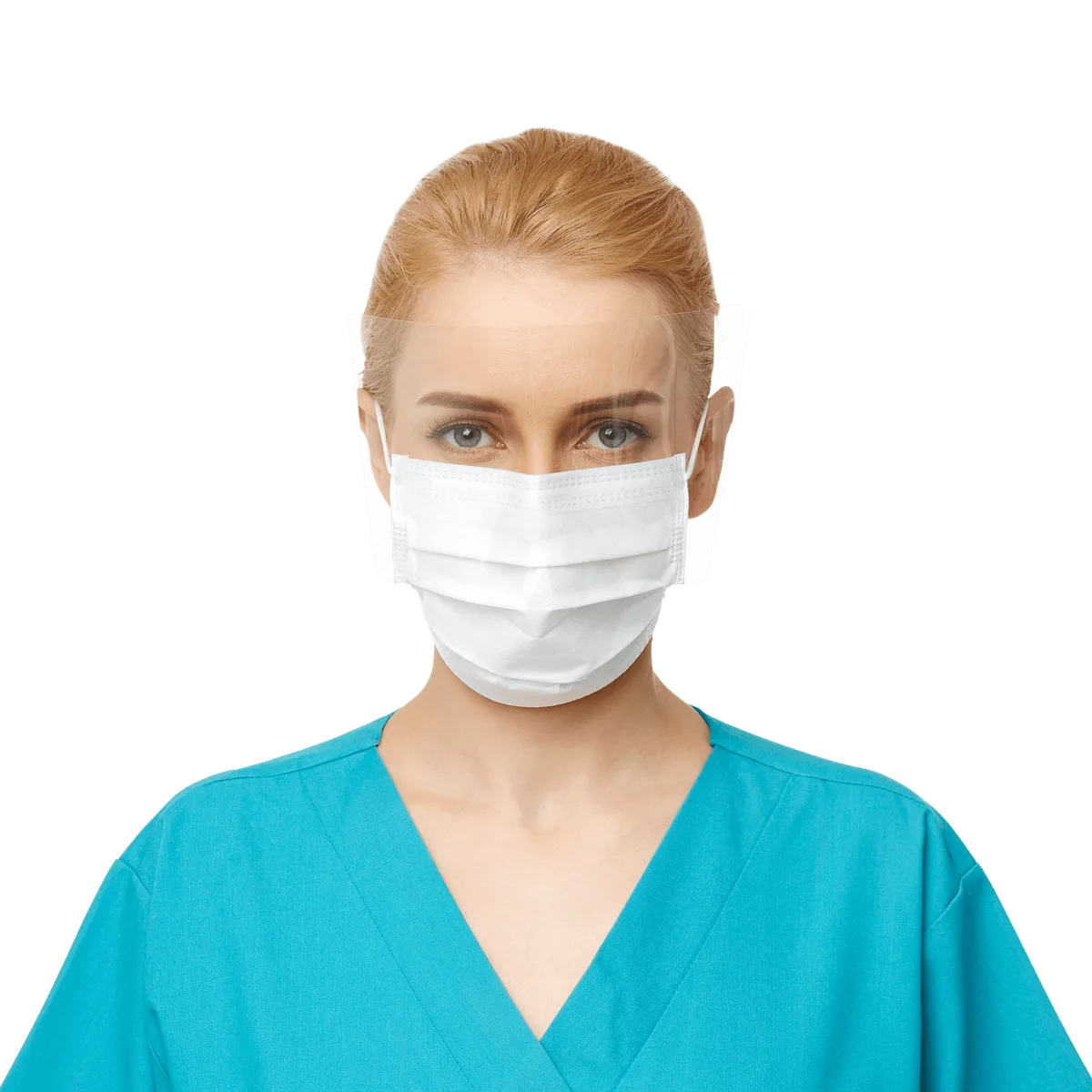
If you've adjusted the nose wire and your glasses still fog, try adhesive foam strips. These stick to the top edge of your mask and create a padded seal against your skin.
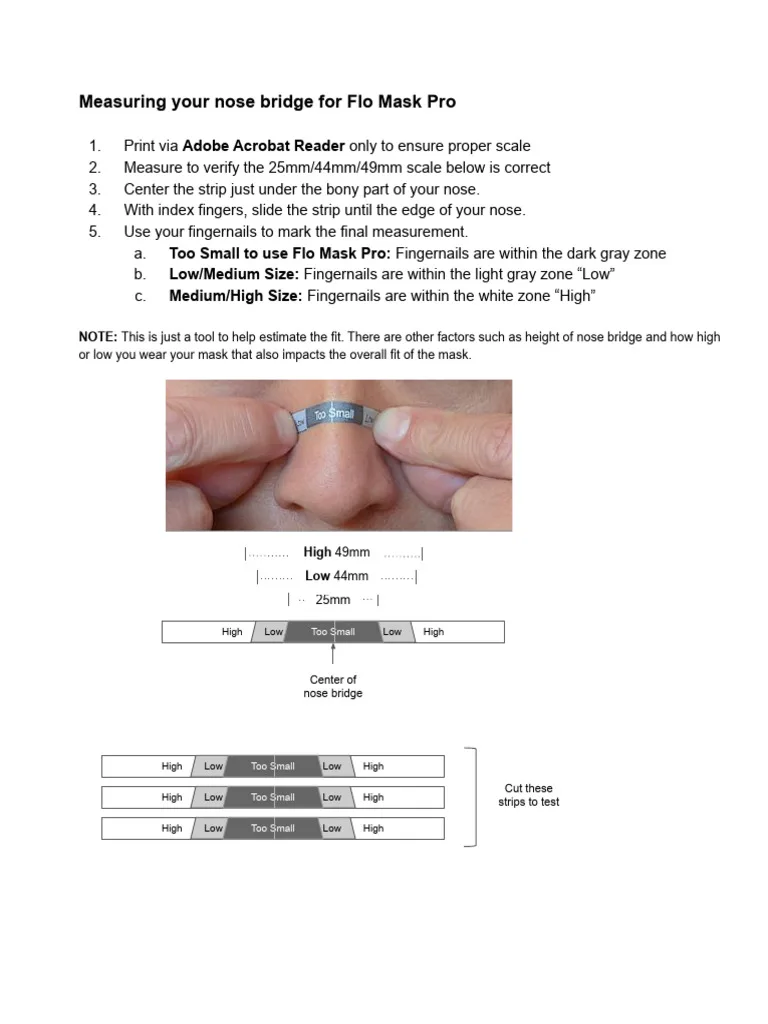
If you're still fogging, consider a mask brace or mask fitter. These are silicone or plastic frames that go over your mask and pull it tighter against your face. They work especially well for people with facial hair.
If you have facial hair, a mask brace or double-sided medical tape can help. Some people with beards prefer a mask bracket that creates more space between the mask and the face.
Step-by-Step Execution
Once you know which branch of the decision tree you're on, here's how to execute each method properly.
Method 1: The nose wire adjustment
Pinch the wire firmly around the bridge of your nose, starting at the top and working down. The wire should form a custom curve that matches your nose shape. Put your glasses on top of the mask.
Breathe normally. Check for fog.
If you still see fog, the wire may not be tight enough. Adjust it again. This step alone solves the problem for most people.
Method 2: Anti-fog solutions for your lenses
Anti-fog sprays and wipes prevent condensation by coating the lens with a thin layer that spreads moisture across the surface instead of letting it bead up into fog.
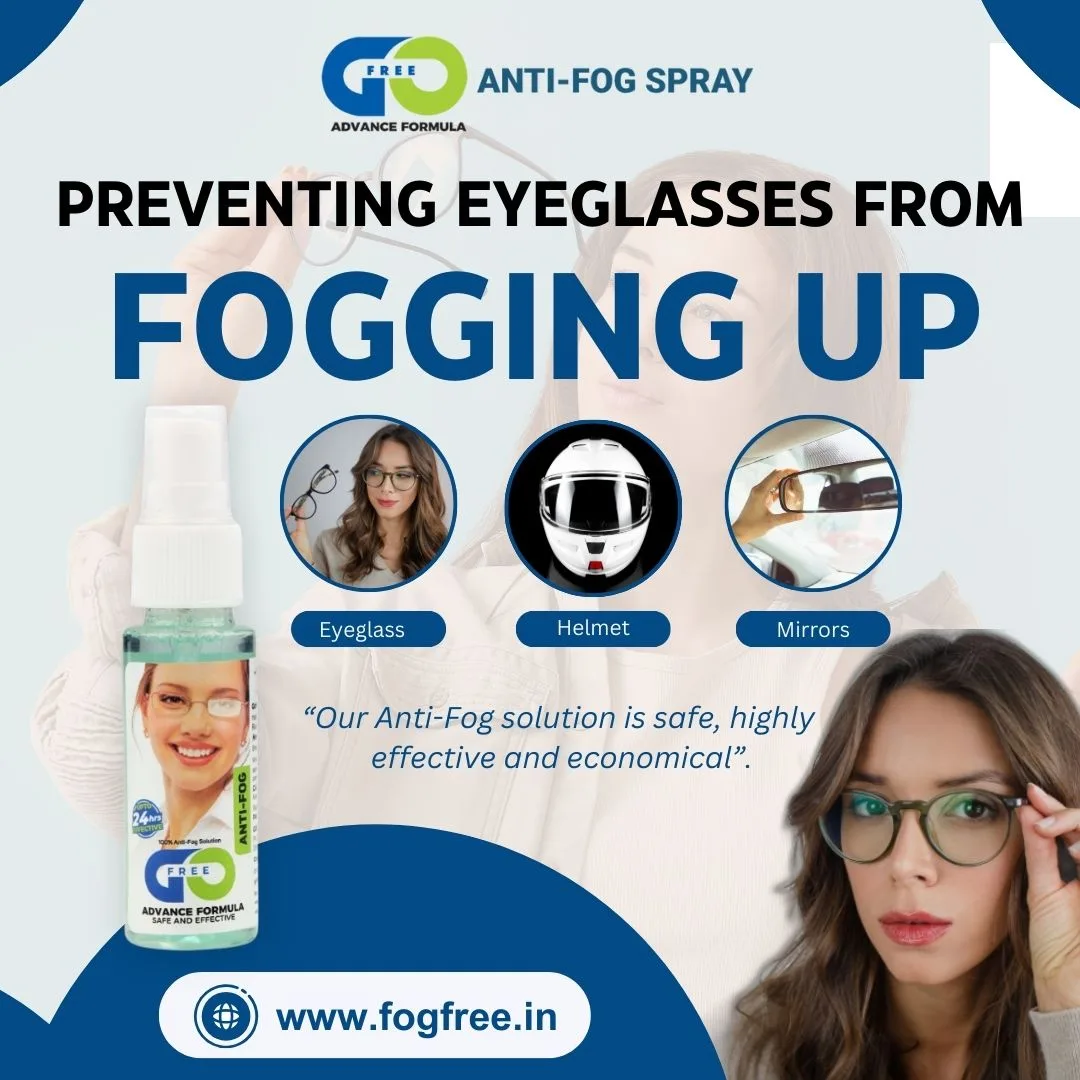
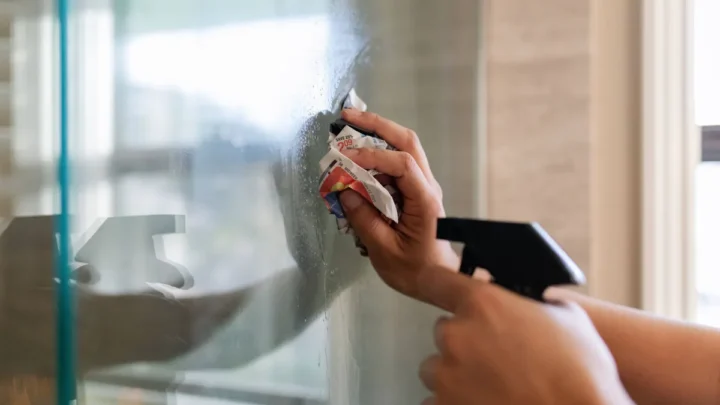
To apply, spray or wipe the solution onto both sides of your lenses. Let it dry for 30 to 60 seconds. Buff gently with a clean microfiber cloth.
Reapply every few hours if needed.
Method 3: Adhesive foam strips
Peel the backing off the strip. Align it along the top edge of your mask. Press firmly.
The foam creates a barrier that directs your breath downward instead of upward.
This method works well with surgical masks and cloth masks. It's less effective with N95 respirators because the foam can interfere with the existing seal.
Method 4: The soap and water trick
Wash your lenses with a mild soap and water. Let them air dry. Do not wipe them dry.
The thin soap residue left behind acts as a surfactant that prevents fog from forming.
This method lasts about two hours. It's a good backup if you're caught without an anti-fog spray.
Method 5: Tape along the mask edge
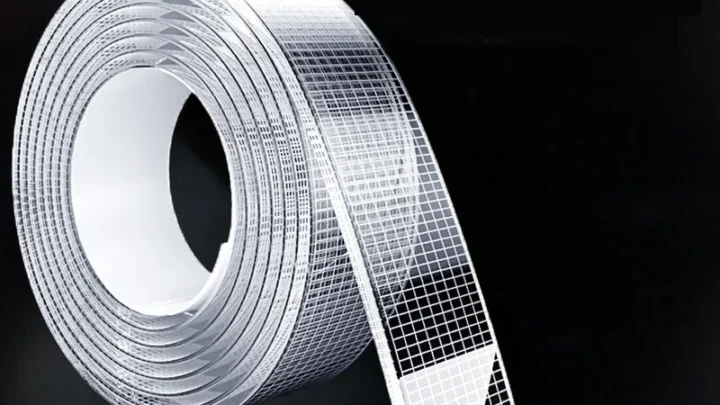
Medical tape or micropore tape can create a seal between the mask and your skin. Apply a small strip across the bridge of your nose, connecting the mask to your skin. This stops air from escaping upward.
If you have sensitive skin, test a small area first. Some people develop irritation from the adhesive. Do not use tape that covers the exhalation valve on a mask that has one.
Common Mistakes That Make Fogging Worse
Even with the right approach, small errors can keep your glasses fogging.
Mistake 1: Wearing glasses over the mask
If your glasses sit on top of the mask fabric, the mask can push against the bottom of the lenses. This creates a gap at the top. Pull your glasses forward so they rest on the mask wire or the bridge of your nose.
Mistake 2: Not adjusting the nose wire enough
A quick pinch isn't enough. You need to form the wire to the exact shape of your nose. It should feel snug.
If you can feel air escaping around the nose, the wire isn't tight enough.
Mistake 3: Using the wrong anti-fog method for your lens coating
Some anti-fog products contain alcohol or ammonia. These can damage anti-reflective or scratch-resistant coatings. Check the label before applying.
Test the product on a small area of the lens first.
Mistake 4: Applying too much product
A thin, even layer works best. Too much product can leave a residue that makes your lenses look greasy.
Mistake 5: Ignoring the mask's overall fit
If the mask is too loose on the sides, air will escape and fog your glasses. Tighten the ear loops or adjust the ties. For N95 masks, perform a user seal check to confirm the fit.
Mistake 6: Using a mask with an exhalation valve
Masks with exhalation valves direct warm air upward toward your glasses. If fogging is a problem, switch to a non-valved version or use a mask cover.
Mistake 7: Not reapplying anti-fog solution
Most anti-fog treatments wear off after a few hours. If you're wearing a mask for a full shift, reapply as needed. Keep a small bottle of spray or a pack of wipes in your bag.
Frequently Asked Questions
Why do my glasses fog up even with a nose wire?
The nose wire might not be tight enough. It needs to match the exact curve of your nose bridge. Also check that your glasses sit on top of the mask, not over it.
If the wire is still loose, try a mask with a stronger, more malleable wire.
Does shaving cream really stop glasses from fogging?
Yes, it can work as a temporary DIY solution. Rub a small amount on your lenses, let it sit for a minute, then wipe it off. The residue creates a thin barrier that prevents condensation.
It is not as long-lasting as commercial anti-fog products, but it works in a pinch.
How long does an anti-fog spray last?
Most commercial anti-fog sprays last between 4 and 12 hours depending on the brand and your environment. Humidity and temperature affect the duration. Reapply if you notice fog returning.
Will anti-fog products damage my lens coating?
Some anti-fog products contain alcohol or ammonia. These can damage anti-reflective or scratch-resistant coatings. Check the label before applying.
Test the product on a small corner of the lens first. Stick to products labeled safe for coated lenses.
Is there a way to prevent fogging without buying anything?
Yes. The soap and water method costs nothing. Wash your lenses with a mild soap, let them air dry, and do not wipe them.
The thin soap residue prevents fog from forming. Adjust your mask nose wire tightly. Place your glasses on top of the mask.
These two steps alone solve most fogging.
Final Decision Guide
Here is the quick summary.
Start with the mask. If your mask has a nose wire, bend it to fit your nose. Put your glasses on top of the mask. This fixes the problem for most people.
If fogging continues, add an anti-fog solution to your lenses. A spray or wipe is the easiest option. The soap method works too.
If you still have fog, use adhesive foam strips along the top edge of the mask. They create a better seal. A mask brace or fitter is the next step for people with facial hair or stubborn gaps.
The right solution depends on your mask type, your glasses, and your environment. Start with the seal. Then address the lenses.
Only move to accessories if the first two steps fail.
Clear vision and a properly fitted mask go together. You just need the right approach for your situation.

Similar Posts