The Only Color Light Blue Glass Transmits
The Simple Answer: Blue Light Gets Through
If you've ever wondered what color light is transmitted by a piece of a blue glass, the answer is straightforward: blue light. That might sound too simple, but the real story is about how the glass acts as a filter. It doesn't add color.
It removes everything else.
The visible light spectrum runs from about 380 nanometers (violet) to 750 nanometers (deep red). Blue light sits roughly between 450 and 495 nm. A piece of blue glass is designed to let those wavelengths pass while absorbing most of the others.
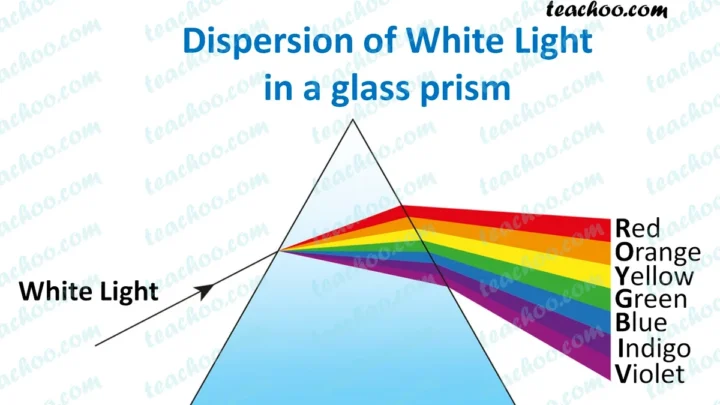
This is selective absorption, a concept understood since Newton's prism experiments in the 1600s. Understanding this process explains not just colored glass, but how all color filters work.
Quick Answer
Blue glass transmits blue light. It absorbs most other colors. Only blue wavelengths pass through.
The rest of the spectrum is blocked. The transmitted light appears blue to your eyes.
The Science Behind It: How Blue Glass Filters White Light

White light contains all visible colors mixed together. When it hits a piece of blue glass, something interesting happens. The glass absorbs certain wavelengths and lets others pass.
The result is that only blue light makes it through.
What happens at the atomic level
The glass contains additives, typically metal oxides like cobalt oxide. These compounds have a specific electronic structure. When photons of certain energies hit the glass, they get absorbed.
The energy is converted into a tiny amount of heat.
The wavelengths that aren't absorbed simply pass through. For blue glass, those are the blue and sometimes violet wavelengths. The absorption pattern is why the glass looks blue in the first place.
Why it's not the same as pigment
Paint and glass work differently. Paint mixes pigments that reflect certain colors and absorb others. Glass works by transmission.
Light goes through it. The color you see on the other side is what remains after absorption.
This is a key distinction. A blue pigment reflects blue light and looks blue because of that reflection. Blue glass looks blue because of the light it transmits.
The reflected light from the surface of the glass might look different. We'll cover that mistake later.
For a deeper look at the visible spectrum and how light interacts with materials, the National Aeronautics and Space Administration (NASA) provides excellent resources on their Visible Light page. It's a great reference for understanding the science behind color and light.
Seeing Is Believing: A Simple Visual Guide to Spotting the Difference
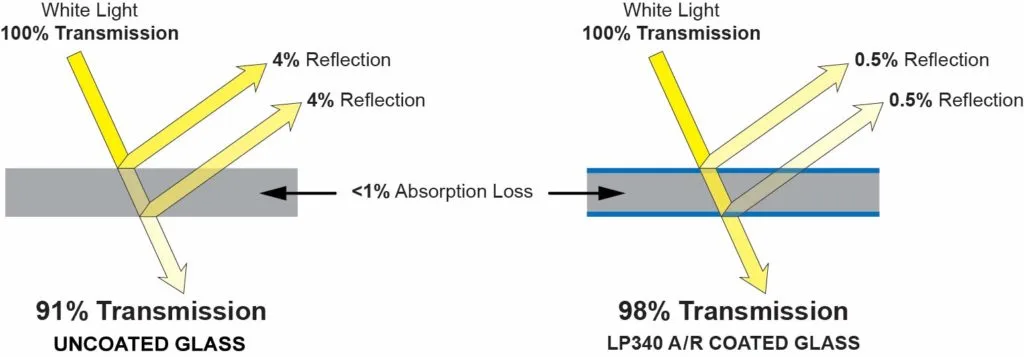
This topic is naturally visual. A diagram or a quick experiment makes everything clear. Here's what you'd see if you could watch the process.
What a diagram would show
Imagine a diagram with white light on the left. It's drawn as a rainbow spectrum: red, orange, yellow, green, blue, indigo, violet. The light beam travels toward a piece of blue glass in the middle.
On the right side of the glass, the rainbow is gone. Only a blue band remains. The red, orange, yellow, green, and most violet wavelengths are absorbed.
They don't make it through.
This is the simplest way to understand what's happening. The glass acts as a bouncer at a club. Only blue light gets past the door.
A quick experiment you can try
You don't need a lab. Find a blue glass bottle or a blue gel filter. Shine a white flashlight through it onto a white wall.
The light on the wall will be blue.
Now try the same experiment with a red glass. The light on the wall will be red. The principle is the same for every color.
What the transmitted light looks like
The transmitted light isn't pure blue. It's often a mix of blue and some violet. The exact shade depends on the thickness and composition of the glass.
Thicker glass absorbs more of the side colors, so the transmitted light might be a deeper blue.
Common Mistakes People Make About Transmitted vs. Reflected Color
This is where most people get confused. The blue glass you hold in your hand looks blue. But that's not the same as the light it transmits.
The surface reflection trap
When you look at a piece of blue glass, you're seeing two things. First, you see light reflected off the surface. That reflected light is mostly white or slightly blue, depending on the angle.
Second, you see the light that has passed through the glass from behind.
The color you perceive when you look at the glass object itself is a combination of those two. But the transmitted light, the light that actually passes through, is the real story.
Why the glass looks blue from the front
The glass appears blue because it reflects some blue light from its surface. But more importantly, the light that enters the glass, bounces around inside, and comes back out is also blue. That's why the glass itself looks blue.
But the transmitted light is the light that never bounces back. It goes straight through. That's the light we're talking about.
A common classroom demo that trips people up
Teachers often use a blue glass filter with a white light source. Students see the blue light on the wall. Then they ask: "But why does the glass itself look blue?"
The answer is that the glass both reflects and transmits blue light. It absorbs everything else. The reflected blue light is what you see on the surface.
The transmitted blue light is what hits the wall.
It's a subtle but important difference. Getting it right is key to understanding how filters work.
Blue Glass vs. Other Colors: What Changes When You Swap the Filter
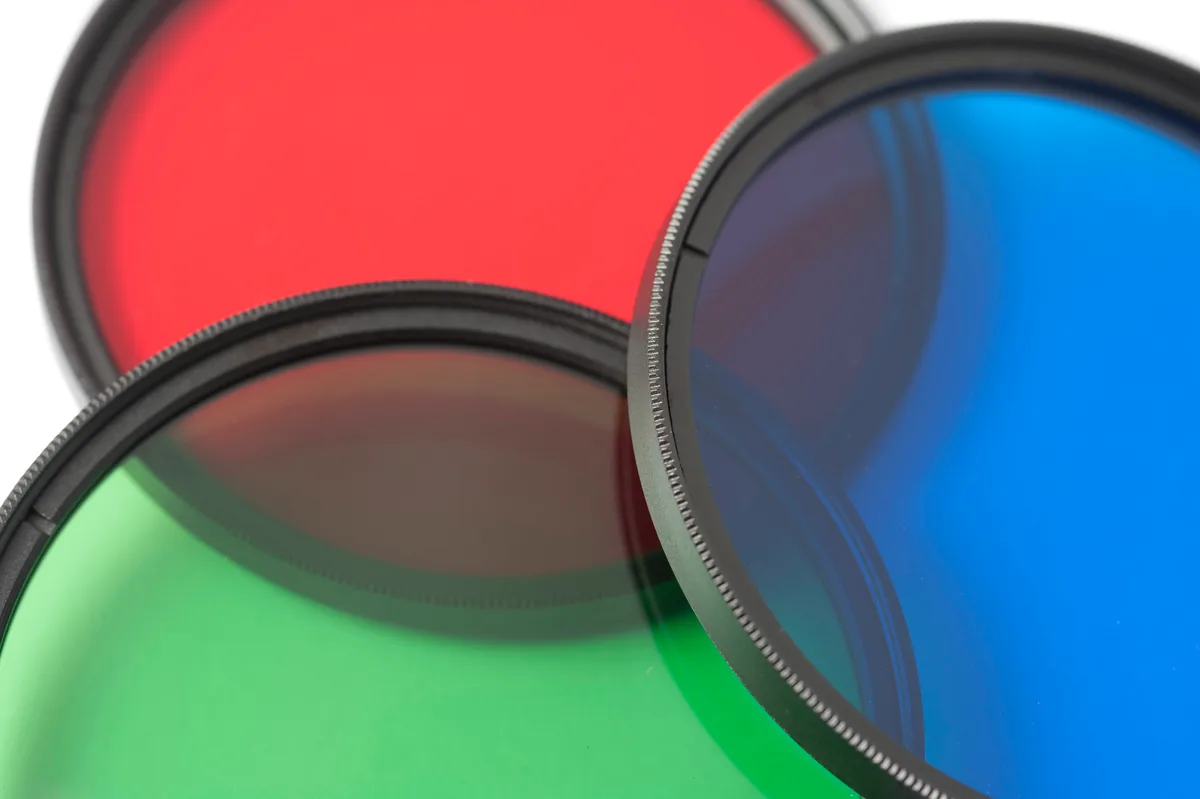
The same principle applies to every color of glass. Each type of glass has a different absorption pattern. Here's a quick comparison.
| Glass Color | Transmitted Light | Absorbed Wavelengths | Common Additive |
|---|---|---|---|
| Blue | Blue (450-495 nm) | Red, orange, yellow, green, most violet | Cobalt oxide |
| Red | Red (620-750 nm) | Blue, green, yellow, orange | Gold or selenium |
| Green | Green (495-570 nm) | Red, blue, some violet | Chromium oxide |
| Yellow | Yellow (570-590 nm) | Blue, violet | Cadmium sulfide |
What happens with red glass
Red glass works identically. It absorbs blue and green light. Only red wavelengths pass through.
The transmitted light is red.
Red glass often contains gold or selenium compounds. These absorb the shorter wavelengths very effectively.
What happens with green glass
Green glass transmits green light. It absorbs red and blue light. The green light you see is the result of chromium oxide additives.
The absorption pattern for green glass is less sharp than for blue or red. Some yellow light might also pass through. That's why green glass can look slightly yellowish in some light.
The key takeaway
Every colored glass filter works by selective absorption. The color you see transmitted is the color that isn't absorbed. It's that simple.
Bringing It to Life: What This Means for Artists, Photographers, and Curious Minds
This isn't just a classroom physics fact. It matters in the real world. People who work with glass and light use this principle every day.
What stained glass artists need to know
Stained glass artists choose colors based on what they want the final piece to look like in sunlight. The transmitted light is what creates the glowing effect. A blue glass panel in a church window lets blue light into the room.
The other colors are absorbed.
The thickness of the glass matters a lot. Two pieces of blue glass from the same batch can look different if one is thicker. The thicker piece absorbs more of the side colors.
The transmitted light becomes a deeper, richer blue. Artists often layer multiple pieces to get the exact shade they want.
How photographers use color filters
Photographers use colored glass filters in front of their lenses. A blue filter, for example, blocks red and green light. The result is a blue-tinted image.
This is the same selective absorption at work.
Photographers choose filters based on the effect they want. A blue filter can make a daytime sky look more dramatic. It can also correct color balance in certain lighting conditions.
The physics is the same as the blue glass in our example.
What curious minds should try at home
You can see this effect for yourself. Find a blue glass bottle or a blue plastic filter. Shine a white light through it onto a white surface.
The transmitted light will be blue. Now try a red or green glass. The transmitted light matches the color of the glass.
This simple experiment makes the concept clear. The glass isn't adding color. It's removing the colors it doesn't transmit.
The light that passes through is the color you see.
Frequently Asked Questions
What color light is transmitted by a piece of a blue glass?
Blue light. The glass absorbs all other colors in the visible spectrum. Only blue wavelengths, roughly 450 to 495 nm, pass through.
Why does blue glass look blue from the front?
You see two things. First, reflected blue light from the surface. Second, transmitted blue light that bounces back from inside the glass.
Both are blue, so the glass looks blue.
Does the thickness of the glass change the transmitted color?
Yes. Thicker glass absorbs more of the side colors. The transmitted light becomes a deeper, darker blue.
Very thin glass might let some green or violet through.
Is the transmitted light the same as the reflected light?
No. Reflected light bounces off the surface. Transmitted light passes through the glass.
They are often different colors. The transmitted light is the color we're talking about.
Can blue glass transmit any other colors?
Generally no. Blue glass absorbs most non-blue wavelengths. But some blue glass might transmit a small amount of violet light.
The exact shade depends on the glass composition.
How do I know if my glass is true blue or just painted?
True blue glass has color throughout. It's made with metal oxides like cobalt. Painted glass has color only on the surface.
You can test by looking at the edge of the glass. True blue glass will show blue all the way through.

Similar Posts