What Is Glass Made Of? The Simple Science

You might be surprised to learn what is glass made of. It's not just sand. The basic recipe is simple, but the details matter.
Understanding the ingredients helps you choose the right glass and avoid costly mistakes.
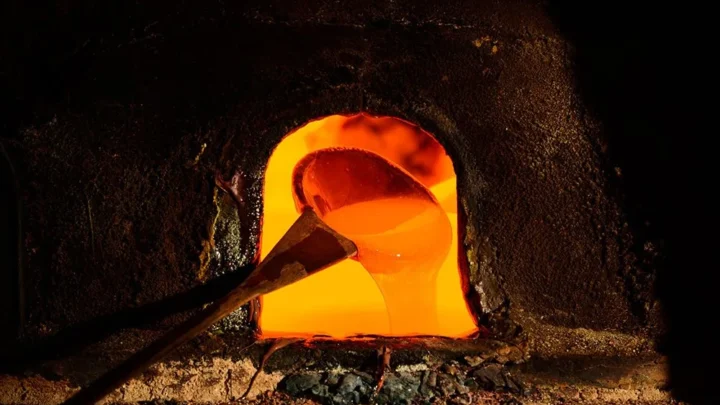
The most common glass, soda-lime glass, melts at around 1500°C. Per ASTM C162, the standard terminology for glass, the material must be a non-crystalline solid. That scientific definition matters because it explains why glass behaves differently from what you might expect.
Quick Answer
Glass is made from silica sand, soda ash, and limestone. These are melted at high temperatures. The mixture cools into a hard, transparent solid.
Recycled glass called cullet is often added to save energy.
The Three Essential Ingredients: Silica, Flux, and Stabilizer
Every glass batch starts with three core components. Each one plays a specific role. Without any of them, you would not get usable glass.
Silica Sand (Silicon Dioxide)
Silica is the backbone of glass. It is the former that creates the solid network. Pure silica melts at an extremely high temperature, around 2000°C.
That is far too hot for practical manufacturing. So manufacturers add other ingredients to bring the melting point down.
Soda Ash (Sodium Carbonate)
Soda ash acts as a flux. It lowers the melting temperature of silica to around 1500°C. That makes the process much more energy efficient.
But there is a problem. Soda ash alone makes the glass water-soluble. You do not want your windows to dissolve in the rain.
Limestone (Calcium Carbonate)
Limestone is the stabilizer. It counteracts the solubility problem caused by soda ash. The calcium oxide bonds into the glass network and makes it durable.
This is the magic that turns fragile soda-lime into everyday window glass.
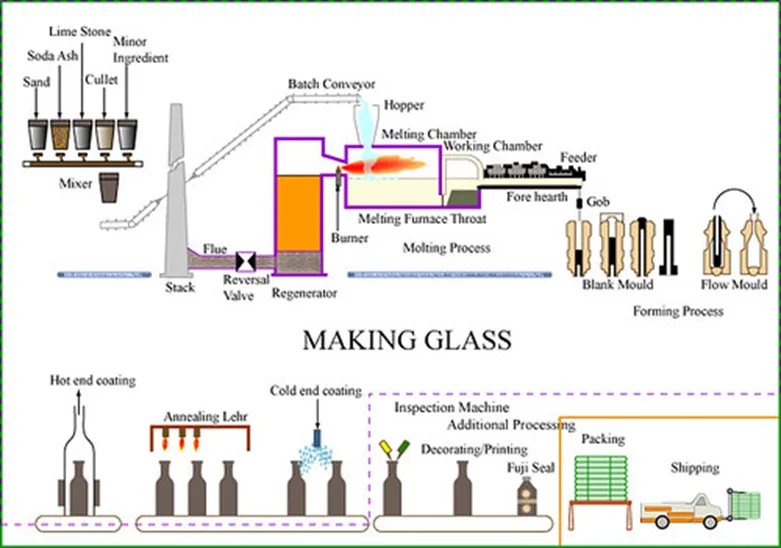
Here is a quick breakdown of the typical soda-lime glass recipe:
| Ingredient | Role | Typical Percentage |
|---|---|---|
| Silica sand | Former | 70% |
| Soda ash | Flux | 15% |
| Limestone | Stabilizer | 10% |
| Other oxides | Modifiers | 5% |
The other oxides include alumina for durability and colorants for tint. That is the basic recipe for most of the glass in your home.
Why Different Glass Types Exist and Why It Matters for Safety
Not all glass is the same. The composition changes dramatically depending on what the glass needs to do. Using the wrong type can be dangerous.
Soda-Lime Glass
This is the standard glass in windows, bottles, and jars. It is cheap and easy to produce. But it has poor thermal shock resistance.
Pour boiling water into a cold soda-lime jar and it can shatter. The coefficient of thermal expansion is high, around 90 × 10⁻⁷ /°C.
Borosilicate Glass
Borosilicate glass replaces some of the silica with boron oxide. The result is a much lower thermal expansion coefficient, around 33 × 10⁻⁷ /°C. That means it can handle dramatic temperature changes without cracking.
You will find it in labware, cookware, and high-end bakeware.
Lead Crystal Glass
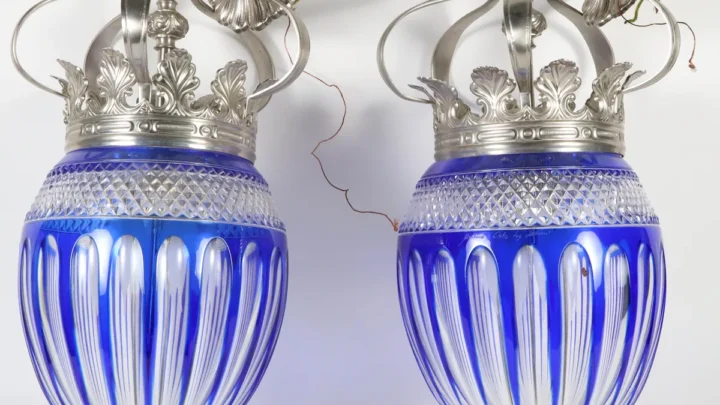
Lead crystal replaces some of the calcium oxide with lead oxide, typically at least 24% by weight. This increases the refractive index, giving the glass more brilliance and sparkle. It also makes it softer and easier to cut.
But lead can leach into acidic liquids. Per FDA regulations, lead crystal is not recommended for storing wine or spirits for long periods.
Fused Silica
Fused silica is almost pure SiO₂. It is incredibly heat resistant and chemically inert. It is used in high-temperature applications like furnace windows and semiconductor manufacturing.
The tradeoff is cost and difficulty of production.
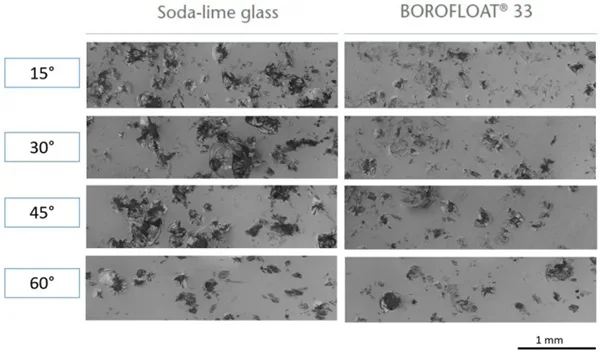
Here is a comparison of the main glass types:
| Glass Type | Key Ingredient | Thermal Shock Resistance | Common Use |
|---|---|---|---|
| Soda-lime | Calcium carbonate | Low | Windows, bottles |
| Borosilicate | Boron oxide | High | Labware, cookware |
| Lead crystal | Lead oxide | Low | Decorative glassware |
| Fused silica | Pure SiO₂ | Very high | High-temperature optics |
Common Mistakes People Make With Glass and How to Avoid Them
Even experienced DIYers make mistakes with glass. The most common ones come down to composition misunderstandings.
Using the Wrong Glass for Heat
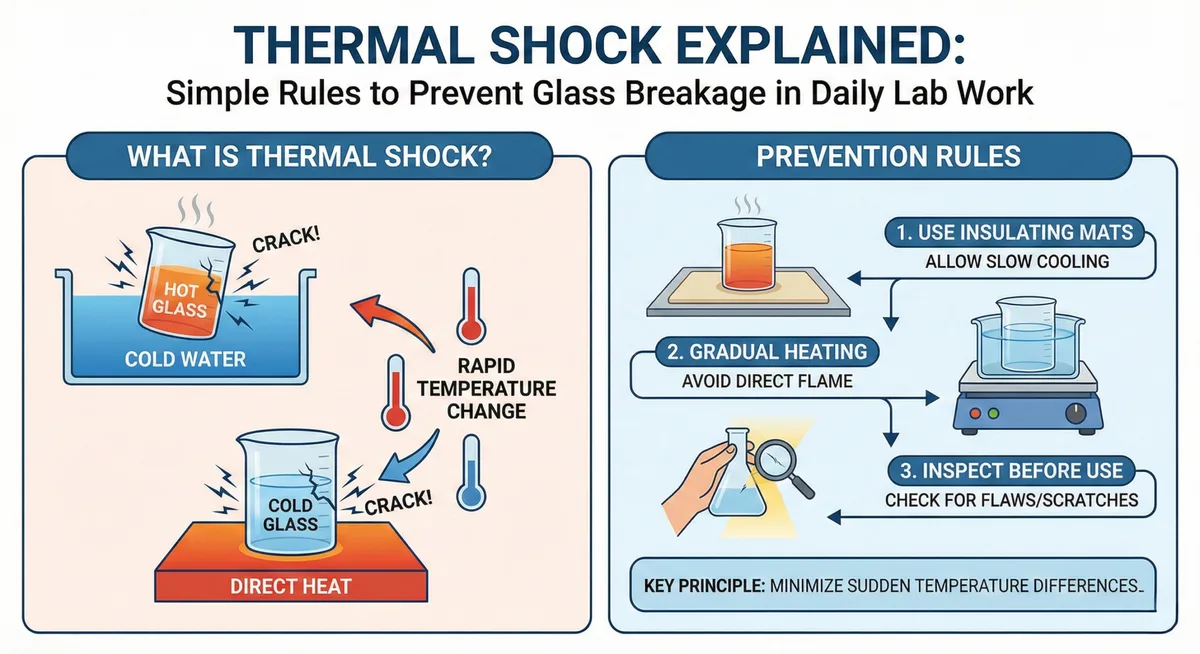
This is the biggest mistake. People assume all glass is the same. So they put a soda-lime baking dish in a hot oven.
The dish cracks. That is thermal shock in action. The sudden expansion creates stress that the glass cannot handle.
Always check the glass type before using it for cooking. Borosilicate is the safe choice for high heat. Soda-lime is fine for cold storage but not for the oven.
Confusing Lead Crystal with Regular Glass
Lead crystal looks beautiful. But it is not safe for everyday drinking. The lead can migrate into acidic drinks like wine, fruit juice, or soda.
The longer the liquid sits, the more lead leaches out. For daily use, stick with lead-free crystal or regular glass.
Ignoring Annealing
When glass cools too quickly, internal stresses build up. That is why glassmakers use an annealing lehr. It slowly cools the glass over hours.
If you are cutting or drilling glass, you can create stress points. A small crack can turn into a big break later.
Not Using Cullet
Manufacturers add recycled glass, called cullet, to the batch. It lowers the melting temperature and saves energy. But some hobbyists skip it.
That wastes energy and makes the melt less consistent. If you are working with glass at home, include cullet in your batch.
How to Choose the Right Glass for Your Project or Use
Choosing the right glass comes down to three questions. What temperature will it see? What chemicals will it contact?
Does appearance matter?
For Cookware and Bakeware
Choose borosilicate glass. It is the only safe choice for oven-to-table use. Soda-lime glass might crack.
If you see a dish labeled oven-safe but it is made of soda-lime, it is only safe for low temperatures below 200°C. Check the manufacturer's specifications.
For Windows and Doors
Standard soda-lime float glass is fine. But if the window is in a door or near the floor, you need tempered glass. Building codes in most regions require it.
Tempered glass is four to five times stronger than annealed glass. If it breaks, it crumbles into small pieces instead of sharp shards.
For Drinkware
Regular soda-lime glass is the best everyday choice. It is cheap, durable, and safe. For special occasions, lead-free crystal is a good alternative.
It has the sparkle without the lead risk. Avoid lead crystal for daily use.
For Labware
Borosilicate is the only choice for laboratory glassware. It is chemically resistant and thermally stable. Fused silica is even better for extreme conditions like high-temperature furnaces.
For Art and Stained Glass
Art glass uses a variety of compositions. The key is to match the coefficient of thermal expansion. If you fuse two different glasses together, they must have similar expansion rates.
Otherwise, the piece will crack as it cools. Always check the manufacturer's data sheet for the expansion coefficient.
Frequently Asked Questions About Glass Composition
Can glass be made without sand?
Yes, but it is rare and expensive. Specialty glasses use boron oxide, phosphorus pentoxide, or germanium oxide instead of silica. These are used in fiber optics and specialized optics.
For everyday glass, sand is the most practical and affordable former. No substitute matches its cost and availability.
Is glass a liquid or a solid?
Glass is a solid. It is an amorphous solid, meaning its atoms lack a regular crystal structure. The old myth that glass flows over centuries is false.
Medieval window panes are thicker at the bottom because of the manufacturing process. The glass did not flow downward over time.
Why does glass sometimes have a green tint?
Iron oxide impurities in the sand cause a green tint. Most manufacturers add decolorizers like manganese dioxide or cerium oxide to neutralize the color. The green tint is most visible on the edge of a pane or in a thick bottle.
Low-iron glass removes this entirely for a crystal clear look.
Can you make glass at home?
Technically yes, but it is dangerous. Melting glass requires temperatures above 1500°C. A standard kiln cannot reach that temperature.
You need a specialized furnace and proper safety equipment. For hobbyists, fusing pre-made glass in a kiln is safer and more practical than making glass from raw ingredients.
What is the difference between glass and crystal?
Crystal is a type of glass that contains lead oxide, typically at least 24% by weight. The lead increases the refractive index, giving it more sparkle and a distinctive ring when tapped. Lead-free crystal uses barium oxide, zinc oxide, or titanium oxide.
Both are technically glass, not true crystal.
Is glass recyclable?
Yes, glass is 100% recyclable without any loss of quality. Recycled glass, called cullet, melts at a lower temperature than raw materials. That saves energy and reduces emissions.
Most manufacturers use 10% to 30% cullet in their batch. The recycling rate varies by region, with some areas recycling over 70% of glass containers.

Similar Posts