The Truth About Frameless Blind Spot Mirrors
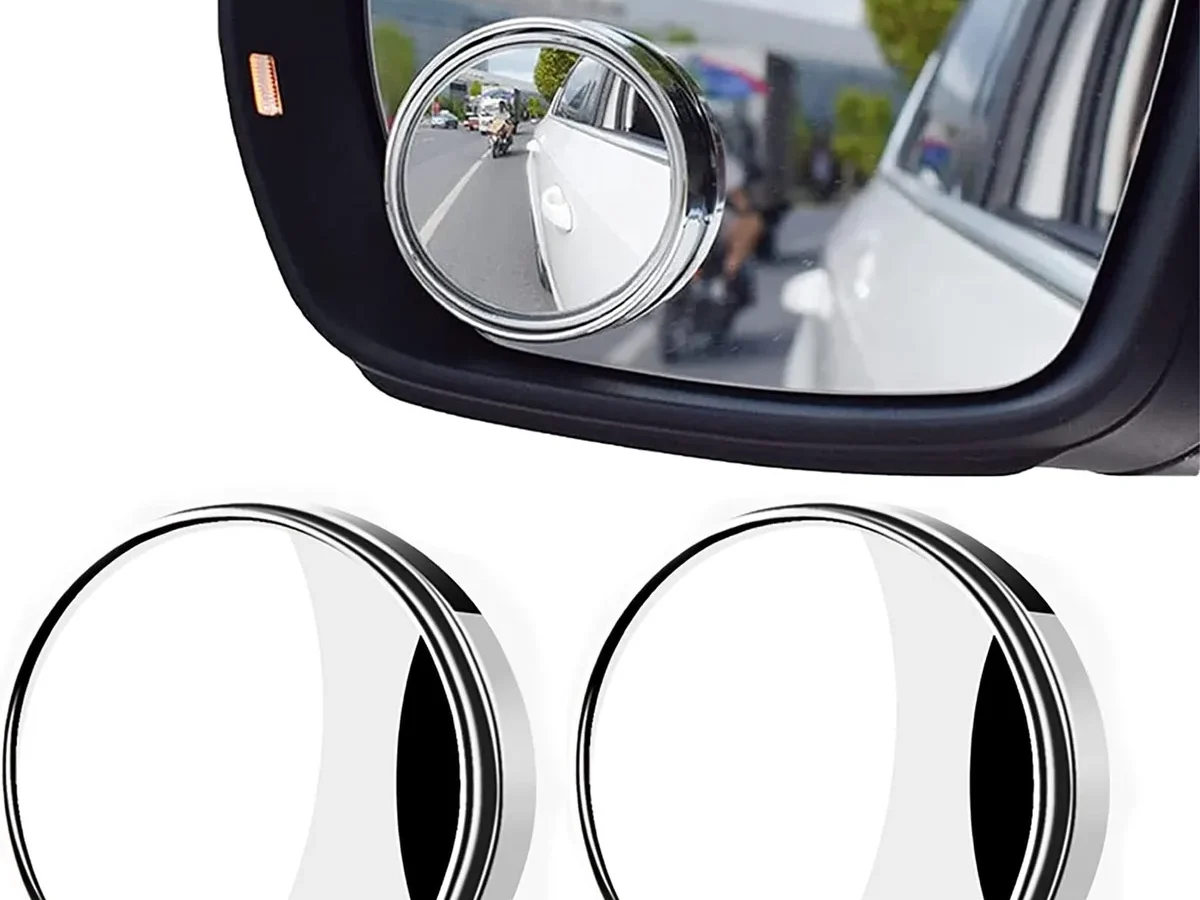
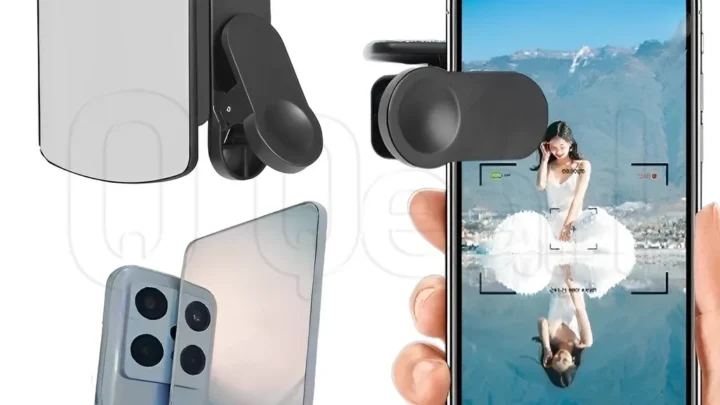
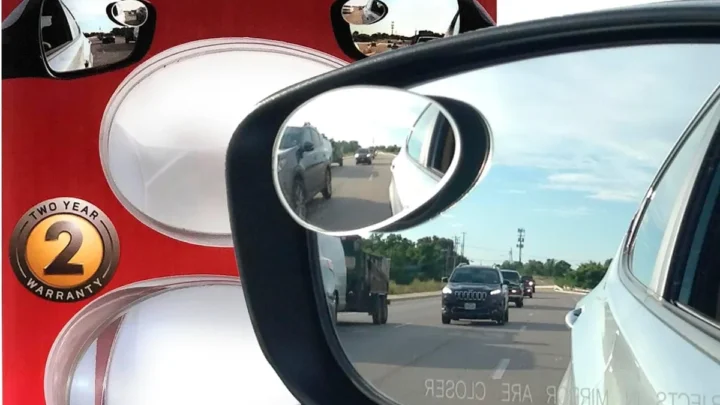
Your side mirrors show you what's behind, but they leave a dangerous gap at the rear quarter. That's where frameless blind spot mirrors come in. They're small convex lenses that stick onto your existing mirrors and give you a wider view of the lane next to you.
As of 2026, manufacturer specifications indicate that a well-placed convex mirror can expand your field of view by up to 270 degrees. That's enough to catch a car lingering in your blind zone before you merge. The catch is that most people stick them in the wrong spot and actually make things worse.
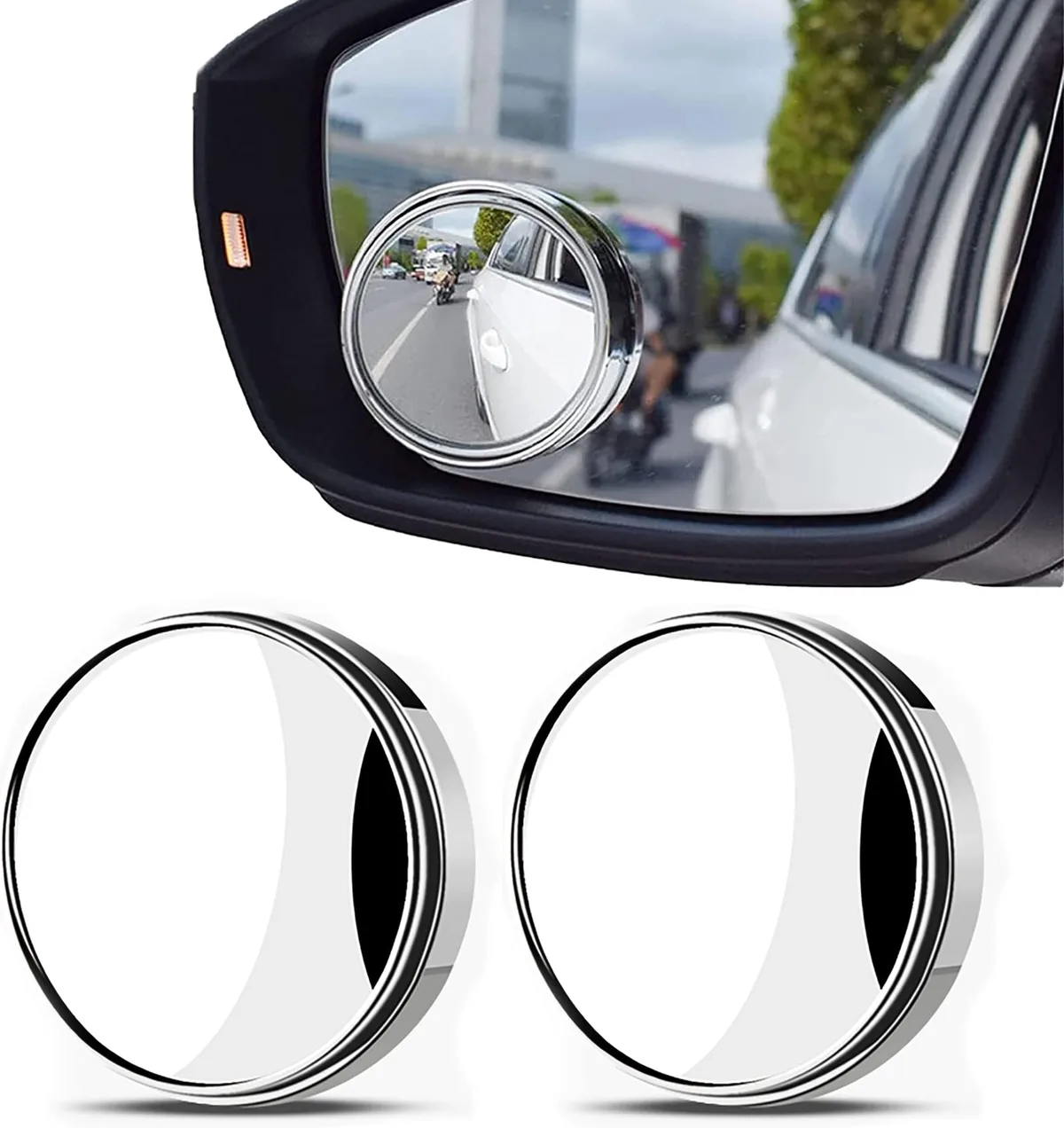
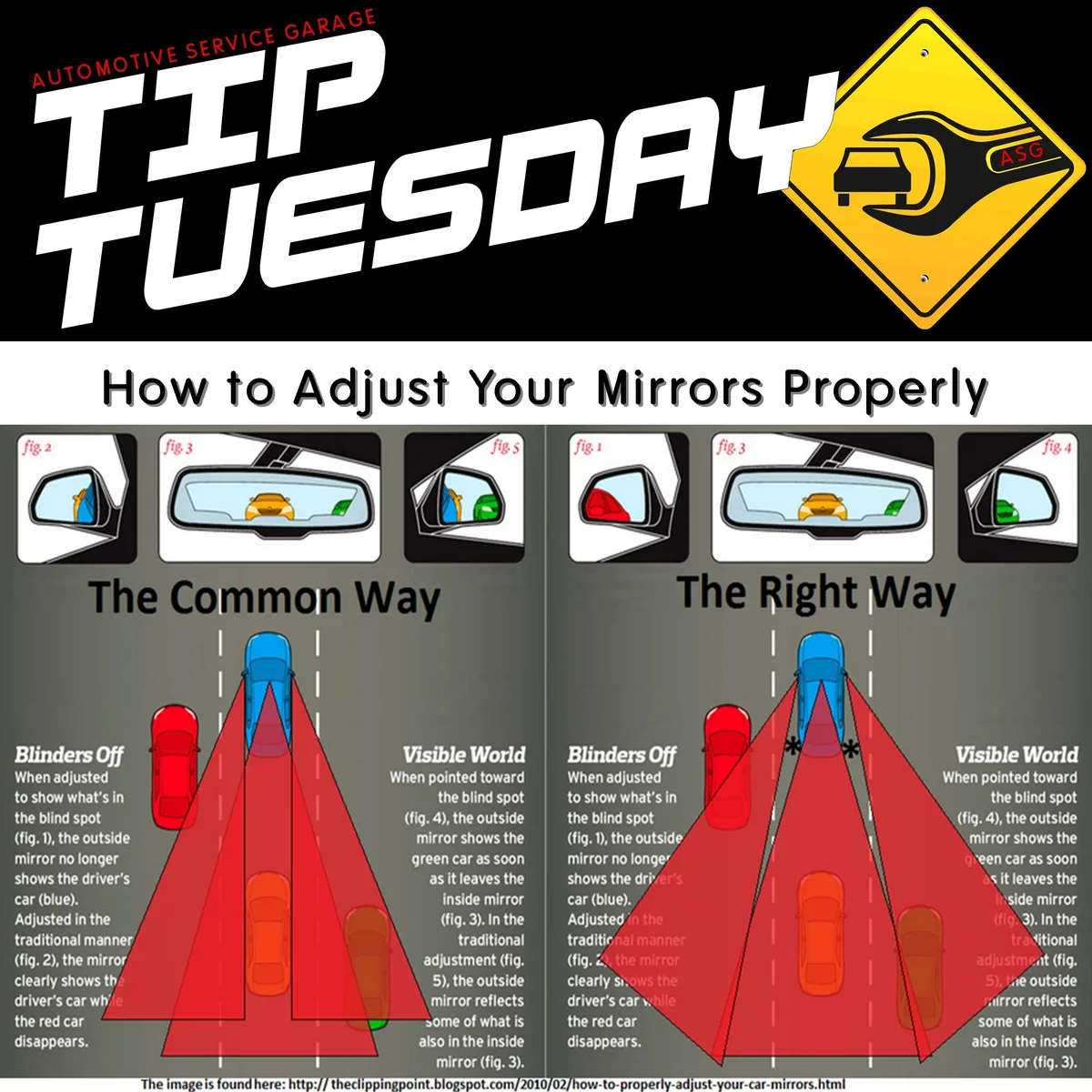
Let's be real about what we're dealing with here. Every car has a blind spot. Even with your side mirrors adjusted perfectly, there's a zone roughly one car-length long and one lane wide where another vehicle can completely disappear.
The National Highway Traffic Safety Administration lists lane-change crashes as a leading cause of collision injuries. That's not a gadget problem. That's a safety gap.
A frameless blind spot mirror doesn't eliminate the need to check your shoulder. What it does is give you a second data point. You glance at your side mirror, and the stick-on convex lens shows you that silver sedan you couldn't see a second ago.
It's a redundancy layer, and redundancy is how safety systems work.
The real value shows up in specific driving situations. Merging onto a highway. Changing lanes in heavy traffic.
Parallel parking against a curb. In each case, the extra field of view reduces the time your eyes are off the road ahead. That fraction of a second matters.
What Frameless Blind Spot Mirrors Actually Are (And Are Not)
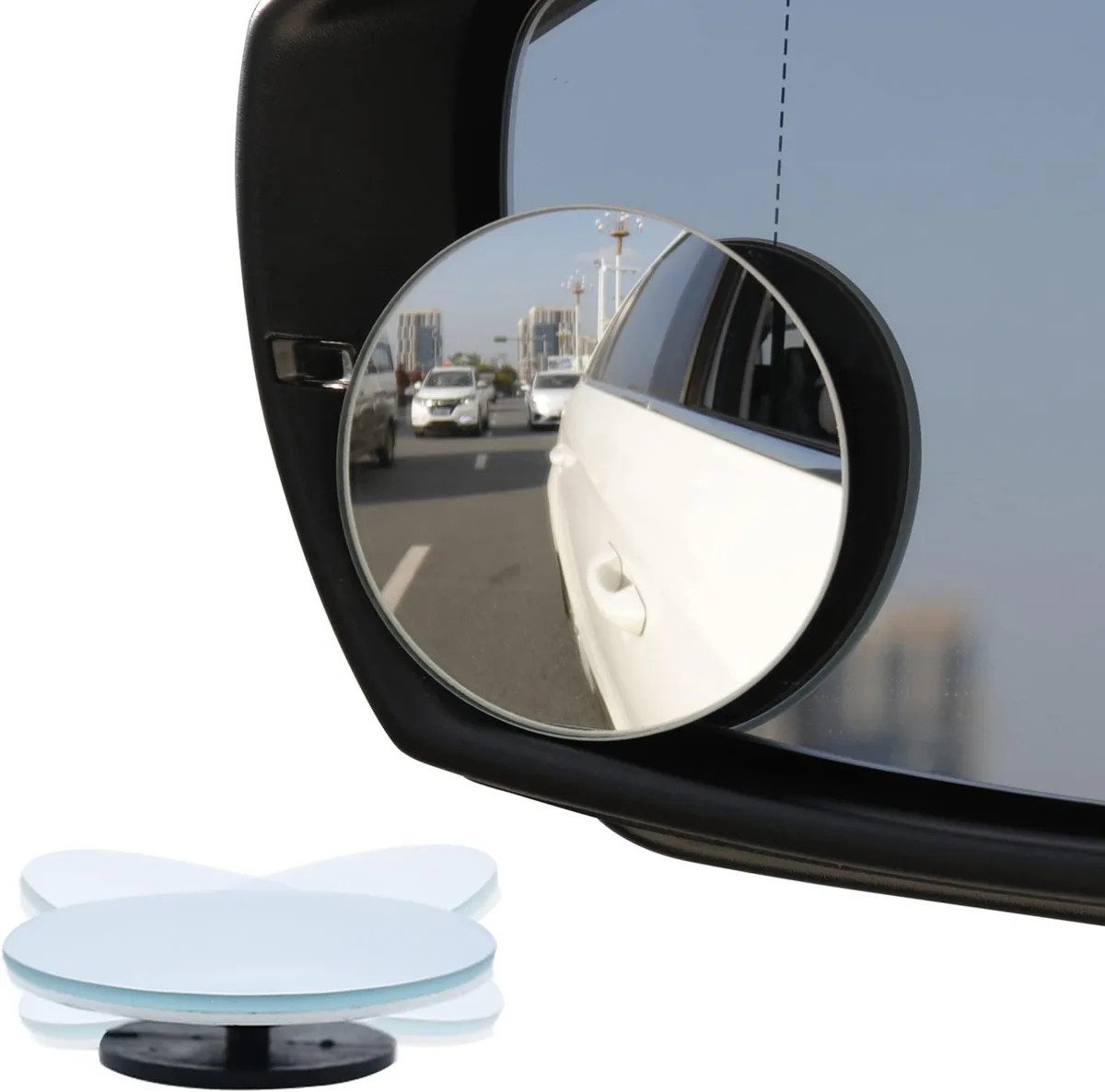
A frameless blind spot mirror is a small convex glass lens with an adhesive backing. That's it. No plastic housing, no metal frame, no electronics.
The "frameless" part means the glass edge is exposed, which gives you a larger reflective surface for the same overall size compared to a framed mirror.
The glass is curved outward. That curvature is what gives you the wide-angle view, typically between 180 and 270 degrees depending on the radius. A tighter curve shows more area but makes objects look smaller and farther away.
A gentler curve gives a more natural view with less distortion.
These are not the same as the factory blind-spot monitoring systems found on newer cars. Those use sensors and warning lights. A stick-on mirror is purely optical.
It does not beep, flash, or vibrate. It just shows you what's there.
They are also not the plastic clip-on mirrors that hook over the edge of your side mirror. Those can vibrate loose and scratch your mirror housing. The frameless adhesive version sits flush against the glass and stays put when installed correctly.
The Biggest Risk: Where You Stick It Matters More Than You Think
Here is the mistake almost everyone makes. They stick the blind spot mirror in the top outer corner of the side mirror because it feels out of the way. That is exactly the wrong spot.
The top outer corner of your side mirror is where you see the road ahead and the lane next to you. A small convex mirror placed there blocks a portion of that view. Worse, it can create a new blind spot directly behind the stick-on mirror itself.
You end up with the exact problem you were trying to solve.
Aggregate user feedback from driver forums and product reviews identifies three common placement errors:
- Top outer corner: Blocks the forward view of the adjacent lane.
- Bottom inner corner: Obscures the view of the ground and curb, which matters for parking.
- Dead center: Splits your side mirror into two distracting zones.
The goal is to place the mirror where it covers the least useful part of your side mirror while still catching the blind zone. For most vehicles, that is the bottom outer corner. The outer edge catches the lane next to you, and the bottom position keeps it below your primary sight line.
How to Install Frameless Blind Spot Mirrors the Right Way
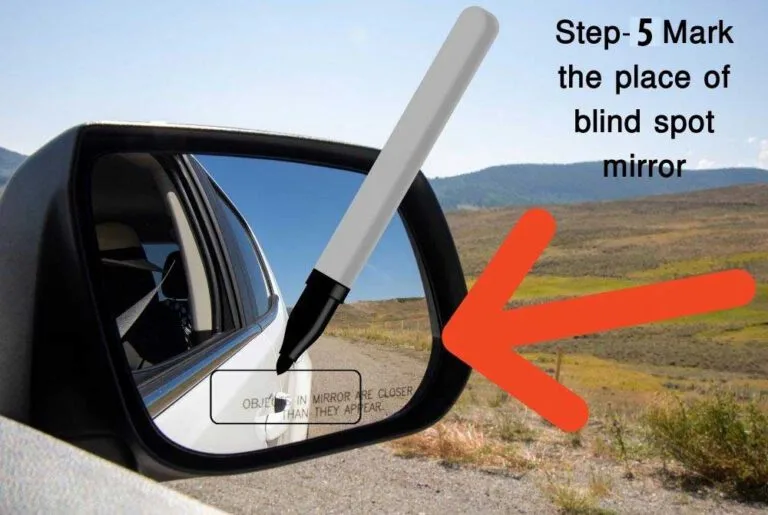
Installation takes about five minutes, but the process matters more than the speed. Here is the sequence that gives the best results.

Similar Posts