How To Make Car Windows Hydrophobic For Better Visibility
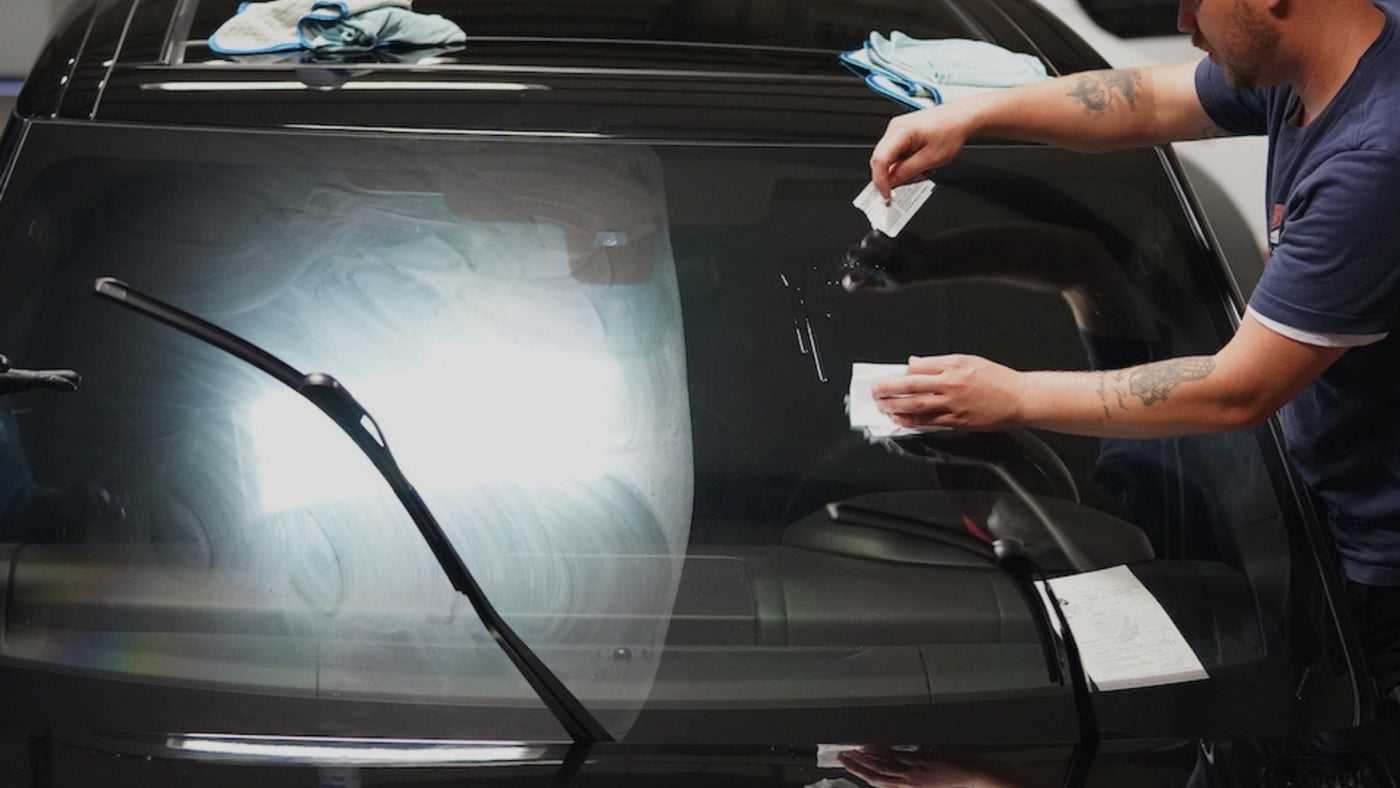
To make your car windows hydrophobic, apply a specialized water-repellent coating or use a hydrophobic spray designed for glass surfaces. These treatments create a nano-layer that causes water to bead up and roll off effortlessly, improving visibility during rain and reducing the need for constant wiping.
In just a few simple steps, you can transform your car windows into water-resistant surfaces that keep your view crystal clear. The key is cleaning the glass thoroughly, applying a high-quality hydrophobic product, and allowing it to cure properly. With these easy tips, you’ll enjoy driving in the rain without the annoying streaks or water spots, ensuring safer and more comfortable journeys every time.

How to Make Car Windows Hydrophobic: A Complete Guide
Understanding Hydrophobic Coatings and Their Benefits
Hydrophobic coatings are special treatments that make surfaces repel water. When applied to car windows, these coatings cause water droplets to bead up and roll off easily. This feature helps keep your windows clear during rain and reduces the need for frequent wiper use.
Having hydrophobic windows offers many advantages. It improves visibility in wet conditions, enhances safety, and keeps your windshield cleaner for longer. Plus, with water sliding off effortlessly, dirt and grime don’t settle as easily on the glass surface.
Types of Hydrophobic Treatments for Car Windows
There are mainly two types of treatments you can apply to make your car windows hydrophobic:
- Spray-On Hydrophobic Coatings: These are easy to use and suitable for DIY projects. They come as liquids that you spray directly onto the glass surface.
- Professional Ceramic Coatings: These offer longer-lasting protection. Typically, they are applied by trained technicians and require special equipment.
Each type has its own benefits and considerations regarding durability, cost, and ease of application.
How to Prepare Your Car Windows for Hydrophobic Coating Application
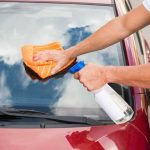
Proper preparation ensures that the coating adheres well and lasts longer. First, thoroughly wash your car windows with a gentle glass cleaner to remove dirt, grease, and old residues. Use a microfiber cloth to wipe the surfaces so they remain free of streaks and lint.
Next, dry the windows completely with a clean, dry microfiber towel. Avoid touching the surface afterward to prevent fingerprints or smudges from contaminating the glass. For best results, consider using a clay bar or a glass prep solution to remove any embedded contaminants.
Step-by-Step Guide to Applying Hydrophobic Coatings
Applying a hydrophobic coating requires patience and attention to detail. Follow these steps:
- Wear gloves to prevent oils from your skin transferring to the glass.
- Shake the bottle of spray or coating solution well before use.
- Spray the product evenly onto the clean, dry window surface, covering all areas.
- Use a microfiber cloth or applicator pad to spread the coating in a circular motion.
- Allow the coating to sit for the recommended time specified by the manufacturer.
- Buff the surface with a clean microfiber cloth to remove excess product and achieve an even finish.
- Repeat the process if necessary, especially for the first application or if a thicker coating is desired.
Be sure to follow the specific instructions provided with your chosen product for optimal results.
Tips for Ensuring Durability and Longevity of Hydrophobic Coatings
Hydrophobic coatings do not last forever. To maximize their lifespan:
- Avoid washing the car with harsh chemicals or abrasive sponges for at least a week after application.
- Wash the windows regularly with a pH-balanced glass cleaner to prevent dirt buildup.
- Reapply the coating as needed, typically every six months to a year depending on weather conditions and usage.
- Consider parking your car in shaded areas to prevent UV damage to the coating.
Additionally, applying a ceramic coating over the hydrophobic layer can provide extra protection and extend its effectiveness.
Common Mistakes to Avoid During Application
Even experienced DIYers can encounter issues. Avoid these common mistakes:
- Applying the coating in direct sunlight, which can cause it to dry too quickly and result in streaks.
- Not thoroughly cleaning the windows beforehand, leading to poor adhesion and reduced effectiveness.
- Overapplying or underapplying the product, which can affect water repellency and durability.
- Skipping the buffing step, leaving excess residue that can impair visibility.
Paying attention to detail during each step ensures a smooth, clean finish with maximum water-repelling capability.
Related Topics: Maintenance and Additional Tips
Maintaining your hydrophobic car windows involves a few simple habits. Regularly wash your windows to keep the coating in good condition. Use a soft microfiber cloth to avoid scratching the surface.
For additional protection, consider applying a glass sealant or polish after the hydrophobic coating. These products help fill in micro-scratches and enhance water repellency.
Comparing DIY Methods versus Professional Application
DIY kits are budget-friendly and easy to use, making them suitable for most car owners. However, professional application offers benefits like longer-lasting protection and a more uniform coating. Professionals use high-quality ceramic coatings that can last several years with proper maintenance.
If you prefer a hands-on approach, ensure you follow the product instructions carefully. For the best results, especially on newer or larger vehicles, professional services are a worthwhile investment.
Safety Precautions When Applying Hydrophobic Products
Always use products in a well-ventilated area to avoid inhaling fumes. Wear gloves and safety glasses to protect your skin and eyes from chemical exposure. Keep the products out of reach of children and pets.
Follow the manufacturer’s instructions for disposal and storage of leftover coatings or solvents. Proper handling ensures safety and prolongs the effectiveness of the treatment.
Additional Methods to Improve Water Beading on Car Windows
Beyond applying coatings, you can improve water beading by:
- Using a hydrophilic film or sticker designed to enhance water runoff.
- Regularly cleaning the glass to ensure smooth surfaces for water to bead off.
- Applying a quick detailer or rain-repellent spray periodically to boost water resistance.
Combining these methods can lead to clearer visibility and safer driving in rainy conditions.
Making your car windows hydrophobic enhances your driving experience by improving visibility in the rain and reducing the effort needed to keep your windshield clean. Whether you choose a DIY spray or a professional ceramic coating, proper preparation, application, and maintenance are essential. With the right approach, water will slide off your windows effortlessly, keeping your view clear and your drive safer.
Make Your Car Window Water Repellent! 🪥 #shorts

Similar Posts