Should You Wax Car Windows For Better Visibility
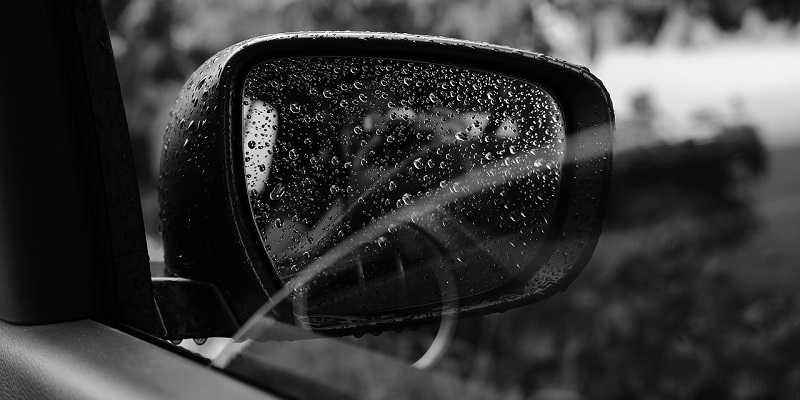
Yes, waxing car windows can be beneficial, but it’s not always necessary. Waxing can improve visibility by repelling water and dirt, making your driving safer and your cleaning easier. However, over-waxing or applying the wrong products might cause streaks or reduce transparency.
In brief, waxing car windows can help enhance clarity and provide a protective barrier against elements, but it should be done carefully and selectively. Not all types of wax are suitable for glass, and improper application can lead to smudges or glare. It’s important to understand when and how to wax your windows to enjoy the benefits without compromising visibility or safety. Keeping your windows clean and clear is essential for safe driving, and a well-chosen wax can be part of your maintenance routine if applied correctly.

Should You Wax Car Windows? An In-Depth Look at the Benefits and Drawbacks
Many car owners wonder if waxing their car windows is worth the effort. While waxing is popular for paint and headlights, its use on windows is less common. This article explores whether you should wax your car windows, providing detailed insights into the pros and cons, techniques, and tips to help you make an informed decision.
What Is Car Wax and Why Do People Use It?
Car wax is a product designed to protect a vehicle’s paintwork by creating a barrier against dirt, water, and UV rays. It enhances the shine and can extend the life of the paint. Many owners wax their cars regularly to keep their vehicle looking new and to prevent damage from environmental factors.
Wax is typically made from natural or synthetic ingredients, including carnauba wax or polymer-based compounds. Its primary function is to provide a smooth, protective coating that beads water and resists dirt buildup. However, its application on car windows raises different considerations.
Are Car Windows Suitable for Waxing?
Car windows are made from glass, which has different properties compared to paint. Glass is non-porous and smooth, making it resistant to many substances. While waxing can be beneficial for paint, its effects on glass windows are not as straightforward.
Some car owners consider waxing windows to improve water repellency and reduce streaks, especially during rain. Others worry about potential drawbacks such as decreased visibility or product buildup. To decide whether you should wax your car windows, examine the benefits and possible downsides carefully.
Benefits of Waxing Car Windows
Improved Water Beading and Runoff
One of the main reasons to wax your car windows is to create a water-repellent surface. When you wax the windows, water tends to bead up and roll off more easily. This reduces the amount of water that sticks to the glass, improving visibility during rain.
Better water runoff means less streaking and fogging, especially on early mornings or humid days. This can make driving safer and more comfortable.
Enhanced Visibility and Safety
Waxed windows can help prevent the formation of water spots or mineral deposits. This leads to clearer visibility, especially when driving in wet conditions. Improved clarity reduces eye strain and helps you spot obstacles or other vehicles more easily.
Additionally, water beads off quickly, reducing the need for frequent wiping or cleaning. This can be useful during long drives or in bad weather.
Protection Against Dirt and Bugs
Wax creates a smooth barrier that prevents dirt, mud, and bug splatter from sticking tightly to the glass. Cleaning becomes easier because debris can be rinsed away or wiped off with less effort. This keeps the windows cleaner for longer periods.
Reducing the accumulation of grime can also extend the lifespan of your windshield wipers, as they don’t have to work as hard to clear away stubborn dirt.
Potential Drawbacks of Waxing Car Windows
Obstructed Visibility
Applying too much wax or using the wrong product can create a thin film on your windows. This film might cause glare or fogging, especially at night or in high humidity. Poor visibility is a serious safety concern.
It’s crucial to use a wax designed specifically for glass or a product that is safe for windows and to apply it carefully.
Residue and Buildup Over Time
Some waxes may leave behind a residue that accumulates after multiple applications. This buildup can obscure your view and become difficult to remove. It’s important to clean the windows thoroughly before applying wax and to select a product suited for glass surfaces.
Regular cleaning with glass-specific products helps prevent harmful buildup that can impair visibility.
Limited Effectiveness in Certain Conditions
Waxing windows is most effective in dry or slightly humid weather. In heavy rain or snow, the benefits may diminish as water and debris can wear down the wax coating over time.
Additionally, repeated exposure to extreme heat or cold can affect the durability of the wax coating, necessitating frequent reapplications.
How to Properly Wax Car Windows
Choosing the Right Product
- Select a wax formulated specifically for glass or a water-repellent product designed for windows.
- Read product labels carefully to ensure compatibility with automotive glass.
- Avoid using general-purpose car wax or polish, which may leave residues or damage the glass.
Preparation Before Waxing
Wash your car thoroughly, paying special attention to the windows. Remove dirt, grime, and any existing wax or residues to ensure a clean surface.
Dry the windows completely using a microfiber cloth to prevent streaks or water spots during application.
Application Process
- Apply a small amount of wax to a soft applicator or cloth.
- Work in small sections, spreading the wax evenly across the glass surface.
- Use circular motions to ensure full coverage without excess buildup.
- Allow the wax to dry as per the manufacturer’s instructions, typically a few minutes.
- Buff the surface with a clean, dry microfiber cloth until clear and streak-free.
Maintenance and Reapplication Tips
- Reapply wax every few months or as recommended by the product manufacturer.
- Clean the windows regularly with glass cleaner to remove any residue or dirt.
- Inspect the windows for any signs of haze or buildup and re-wax if necessary.
Related Topics: Alternatives to Waxing Windows
Using Water-Repellent Sprays
Many car owners prefer using water-repellent sprays specifically designed for glass. These products often provide longer-lasting water resistance without the risk of residue buildup.
They are easy to apply and usually deliver better clarity and visibility compared to traditional waxes.
Applying Hydrophobic Coatings
Hydrophobic coatings are more durable options that bond with the glass surface at a molecular level. They provide extended water runoff features and often outperform wax products in longevity.

Similar Posts


















