Yes, you can get sunburned through car glass, especially if you’re exposed to prolonged sunlight while driving or sitting in a parked car. Although glass blocks much of the sun’s ultraviolet (UV) rays, it doesn’t block them completely, so UV exposure — and the risk of sunburn — still exists.
In short, it’s possible to get sunburned through car windows, particularly on long drives or when sitting in the sun for extended periods. While windshields usually block most UV rays, side and rear windows may allow some UV light to pass through, meaning you can still be affected without realizing it. Being aware of this and taking precautions like applying sunscreen or using UV-protective window tinting can help protect your skin from damage even when you’re inside a vehicle.

Can You Get Sunburn Through Car Glass?
Understanding How Sunlight Interacts with Car Windows
Car windows act as a barrier between the outside sun and the inside of your vehicle. Most modern car windows are made with tinted or treated glass designed to block some ultraviolet (UV) rays. However, this doesn’t mean all UV rays are stopped, and some can still pass through the glass to reach your skin. Understanding how sunlight passes through car glass helps clarify if you’re at risk of sunburn while driving or sitting in a parked car.
Types of UV Rays and Their Effects
UV radiation has three main types: UVA, UVB, and UVC, but UVC rays are mostly blocked by Earth’s atmosphere. UVA rays are longer and penetrate deeper into the skin, leading to skin aging and some types of skin damage. UVB rays are shorter and primarily cause sunburn. Car glass typically blocks UVB rays more effectively than UVA, but some UVA still gets through.
Do All Car Windows Allow UV Rays to Pass?
Not all car windows are equal in blocking UV rays.
- Windshield: Usually made with laminated glass that blocks most UVB and a significant portion of UVA rays.
- Side and Rear Windows: Often made with tempered glass that may provide less UV protection unless specially treated or tinted.
This means that depending on the window’s type and any tinting, the level of UV protection varies.
How Much Sun Damage Can Pass Through Car Glass?
Research indicates that standard car side windows can block approximately 90% of UVB rays but may allow up to 50% of UVA rays to pass. This residual UVA radiation can build up over time and cause skin damage or sunburn, especially with prolonged exposure in the car.
Factors Influencing UV Exposure Through Car Windows
Several factors affect how much UV reaches your skin when inside a vehicle:
- Time of Day: UV rays are strongest between 10 a.m. and 4 p.m.
- Weather Conditions: Overcast days reduce UV levels but don’t eliminate them.
- Window Tinting: Tinted windows can block up to 99% of UV rays, significantly reducing exposure.
- Reflection: Surfaces like snow, water, or sand can reflect UV rays, increasing exposure even inside the car.
Knowing these factors helps in assessing the actual risk of sunburn while in the car.
Is It Possible to Get Sunburn Through Car Windows?
Yes, it is possible, especially if your windows are not tinted or have limited UV protection. UV rays, particularly UVA, can penetrate windows and cause skin damage over time. Even with partial blocking, prolonged exposure can lead to sunburn or skin aging.
Signs That You May Get Sunburn Through Car Glass
If you notice redness or a burning sensation after a long drive or sitting in a parked car during sunny weather, UV rays might have reached your skin. Other signs include skin dryness, peeling, or early signs of skin aging, which can result from cumulative UV exposure.
Protecting Yourself From Sun Damage in the Car
Protection is vital to prevent sunburn and skin damage. Here are some effective ways to shield your skin:
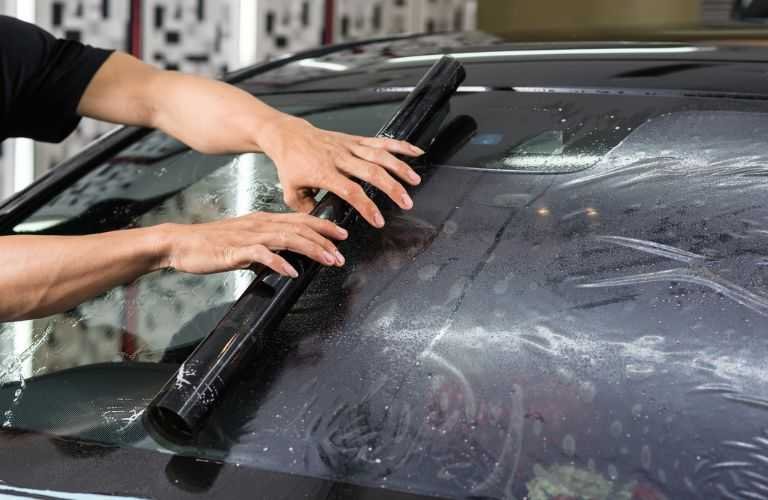
- Use UV-Blocking Window Film: Install high-quality tinting that blocks both UVA and UVB rays.
- Apply Sunscreen: Use a broad-spectrum sunscreen with SPF 30 or higher on exposed skin before driving.
- Wear Protective Clothing: Cover up with hats, long sleeves, or sunglasses to shield your face and neck.
- Park Strategically: Whenever possible, park in shaded areas to reduce UV exposure.
- Use Sunshades: Place sunshades on windows or windshields for additional protection.
The Importance of UV Protective Films on Car Windows
UV protective films are an effective method to reduce UV transmission. These films are designed to block up to 99% of UVA and UVB rays. They are easy to install and can be customized for different levels of UV protection. Investing in these films benefits everyone who spends a lot of time in their vehicle.
Additional Risks of UV Exposure in the Car
Besides sunburn, UV exposure in cars can contribute to long-term skin problems. These include premature aging, wrinkles, sunspots, and increased risk of skin cancer. This highlights the importance of taking protective measures, especially for those driving frequently or on long trips.
Myth Busting: Can You Get Sunburn Through Tinted Windows?
Some believe that tinted windows provide complete protection, but this isn’t entirely accurate. Most tints block a significant amount of UV rays, but some ultraviolet light can still pass through. The level of protection depends on the tint’s quality and specifications. Always check the UV blocking capability before relying solely on tinted windows.
Summary of Key Points
- Car windows block most UVB rays but may allow UVA rays to pass.
- Prolonged exposure increases the risk of sunburn and skin damage inside the car.
- UV protection varies depending on window type, tinting, and environmental factors.
- Protective measures can greatly reduce UV exposure and skin damage.
- High-quality UV-blocking films and sunscreen are effective in preventing sunburn through car glass.
This overview emphasizes the importance of understanding how UV rays behave in cars and taking concrete steps to protect skin during sunny days. Remember, even when driving or parked in the shade, UV rays can reach your skin through car glass. Being proactive about sun protection helps maintain healthy skin and prevent long-term damage.
Why you don't get sunburn through a car windshield
Frequently Asked Questions
Can UV rays penetrate through car windows and cause sunburn?
Yes, ultraviolet (UV) rays can pass through certain types of car glass, especially if it’s not specially treated. While many car windows have some level of UV protection, they may not block all harmful rays, increasing the risk of sunburn during long exposure.
Does the type of car glass affect the likelihood of getting sunburned?
Absolutely. Standard side and rear windows often block most UVB rays but may still allow UVA rays through, which can contribute to skin damage. Laminated windshields typically provide better UV protection, reducing the chance of sunburn for occupants.
Can wearing clothing or sunscreen prevent sunburn while driving?
Wearing protective clothing and applying broad-spectrum sunscreen significantly reduces the risk of sunburn, even if UV rays penetrate through the glass. These measures serve as extra layers of defense against harmful radiation during long drives.
Are there specific times of day when UV rays are stronger and increase sunburn risk through car glass?
UV rays are most intense between 10 a.m. and 4 p.m., making sunburn more likely during these hours. Even sitting in a car during these times can expose you to enough UV rays to cause a burn if proper protection isn’t used.
How can I minimize my risk of sunburn when driving in the car for extended periods?
You can reduce your risk by using UV-protective window films, wearing protective clothing, applying sunscreen regularly, and sitting away from direct sunlight. These steps help prevent UV rays from reaching your skin through the vehicle’s glass.
Final Thoughts
Sunburns can occur even when you’re inside a car, especially if the sun’s rays pass through the glass. Many people wonder, ‘can you get sunburn through car glass,’ and the answer is yes, but it depends on the type of glass. Some windshields block UV rays effectively, while side windows may not offer the same protection. Always consider UV-protective window covers or sunblock for added safety. Being aware of these factors helps you stay protected during drives.

- How To Fix Laminated Windshield Chip Effectively - October 29, 2025
- How To Repair Laminated Glass Crack Effectively - October 29, 2025
- How To Clean Laminated Glass Properly For Sparkling Results - October 29, 2025