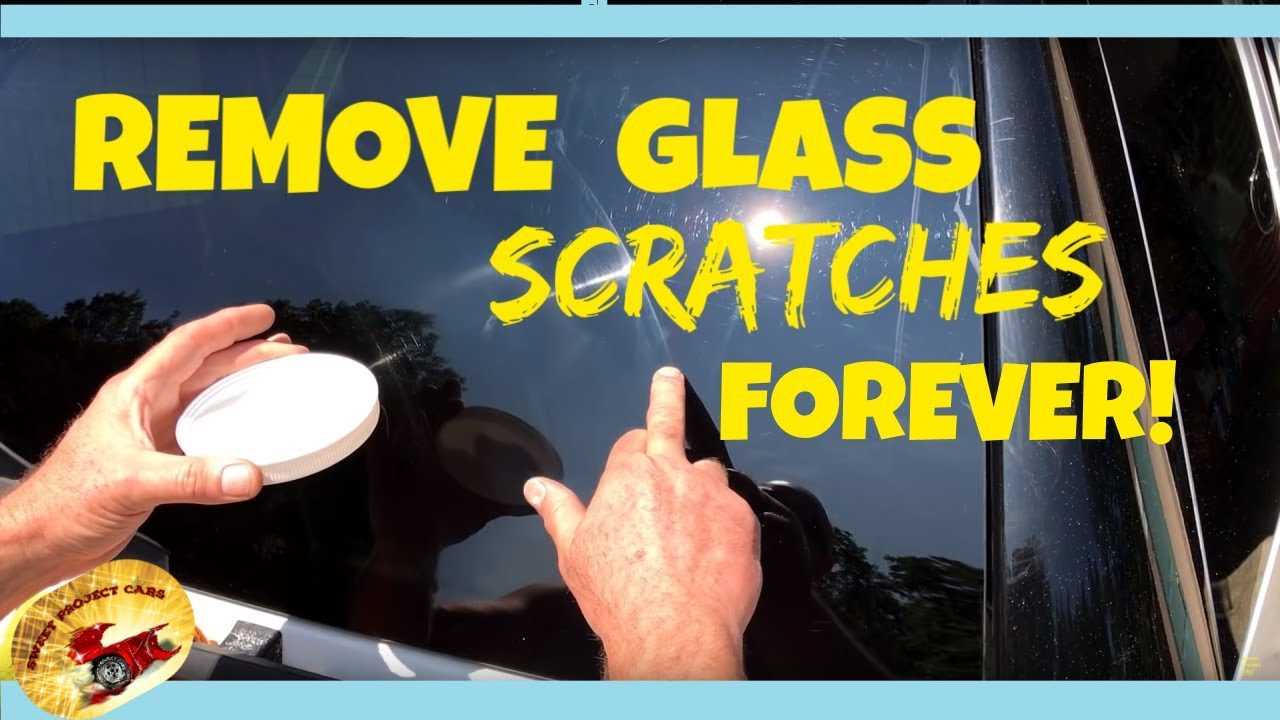
To quickly remove scratches from your car window glass, start by cleaning the glass thoroughly, then gently apply a glass polishing compound or toothpaste with a soft cloth, buffing in circular motions. If scratches are deep, you might need a professional glass repair kit or consider replacing the glass.
For minor scratches on your car’s window glass, a simple polishing method can often restore clarity without much fuss. First, clean the glass surface to remove dirt and debris. Next, use a mild abrasive like toothpaste or a specialized glass polishing compound, softly buffing the scratch in circular motions. For deeper scratches that don’t respond to polishing, professional repair or replacing the glass may be necessary. Regular maintenance can help prevent future scratches and keep your windows crystal clear. This process is cost-effective, easy to do at home, and can significantly improve your car’s appearance and safety.

How to Polish Scratches Out of Car Window Glass
Scratches on your car window glass can be frustrating, especially when they affect your view. Luckily, there are simple methods to carefully remove or lessen the appearance of these scratches. This guide will walk you through effective steps to polish scratches out of car window glass safely and efficiently.
Understanding Car Window Glass and Scratches
Car window glass is typically made from tempered or laminated glass, designed to withstand everyday wear and tear. Scratches occur when debris or rough objects come into contact with the glass surface. Recognizing the type and depth of scratches helps determine the best repair method.
Types of Scratches on Car Glass
- Surface Scratches: Light scratches that only affect the outermost layer of the glass. These are usually easier to polish out.
- Deep Scratches: Penetrate deeper into the glass, often requiring professional repair or replacement.
- Cracks: Spreading fractures that are more serious and generally need expert attention.
Assessing the Depth and Severity
To evaluate the scratch severity, run your fingernail across the scratch surface. If it catches, the scratch is likely deep. Surface scratches feel smooth, and polishing can often fix them. Deep scratches may not respond well to polishing alone and could require additional fixes.
Tools and Materials Needed for Polishing Car Window Scratches
Before starting, gather all the necessary supplies. Having the right tools ensures the best results and prevents further damage.
Essential Items List
- Microfiber cloths: Soft and non-abrasive for cleaning and polishing.
- Glass polishing compound: Designed specifically for removing minor scratches from glass surfaces.
- Car window polish: A product formulated to restore glass clarity and smoothness.
- Water and mild soap: For cleaning the glass surface before polishing.
- Clay bar: Optional, for removing stubborn dirt and contaminants before polishing.
- Power buffer or hand applicator: For even application of polishing compounds.
Preparing Your Car Window for Polishing
Proper preparation is crucial for effective polishing and avoiding additional scratches. Always start with a clean surface.
Cleaning the Glass Surface
Mix a small amount of mild soap with water and thoroughly wash the window. Use a microfiber cloth to remove dirt and debris. Dry the surface completely with a clean, dry cloth to avoid missed spots or streaks.
Removing Contaminants with a Clay Bar
If the glass feels gritty, use a clay bar to gently lift embedded dirt or mineral deposits. Lubricate the surface with a clay bar lubricant, then glide the clay over the glass in gentle, overlapping movements. Wipe clean with a microfiber cloth afterward.
Steps to Polish Out Scratches from Car Window Glass
Follow these steps carefully to minimize the appearance of scratches or remove them entirely, especially if they are surface-level.
Step 1: Apply the Glass Polishing Compound
Place a small amount of polishing compound onto a clean microfiber cloth or applicator pad. Use a circular motion to spread the compound evenly over the scratched area. Work gently with consistent pressure.
Step 2: Use a Buffer or Hand Polishing
If you have a power buffer, set it to a low speed and move it gently over the treated area. For hand polishing, continually work the compound into the glass with circular motions for several minutes.
Step 3: Wipe and Inspect
Remove excess compound with a clean microfiber cloth. Check if the scratch appears less visible. Repeat the application if necessary, especially for minor surface scratches. Avoid over-polishing that could weaken the glass surface.
Step 4: Finish with Glass Cleaner
After polishing, spray a glass cleaner onto the window and wipe it with a fresh microfiber cloth. This step restores clarity and removes any residual compound or debris.
Additional Tips for Effective Scratch Removal
Here are some helpful hints to maximize your results and keep your glass looking its best.
Use the Right Products
Always select a glass polishing compound or polish designed specifically for automotive glass. Household products may not be effective and could cause further damage.
Test in a Small Area First
Before applying any product extensively, test it on a small, inconspicuous section of the glass to ensure it doesn’t cause discoloration or additional scratches.
Limit Polishing Power
Over-aggressive polishing can weaken or distort the glass surface. Use a gentle touch, especially if you’re working with a buffer or power tool.
Patience Is Key
Minor scratches can often be reduced with patience and proper technique. Avoid rushing through the process for best results.
When to Seek Professional Help
If scratches are deep, extensive, or accompanied by cracks, do not attempt to fix them yourself. A professional can safely assess the damage and recommend the right solution, such as glass polishing, repair, or replacement.
Additional Methods for Minor Scratches
Aside from polishing, other techniques may help reduce their visibility. These include using a glass repair kit or applying a clear protective film over the window.
Using a Glass Repair Kit
Glass repair kits include a resin compound designed to fill minor scratches or chips. Follow the manufacturer’s instructions carefully for the best results.
Applying Protective Films
Clear films can serve as a shield against future scratches and minor damages. They also provide an extra layer of protection for your windows.
Preventative Measures to Avoid Scratches
Taking steps to prevent future scratches is just as important as fixing existing ones. Regular cleaning, parking away from debris, and avoiding rough handling of windows help maintain their clarity.
Tips for Protecting Car Windows
- Park in shaded, debris-free areas whenever possible.
- Clean your windows regularly to prevent buildup of dirt and grime.
- Use soft, non-abrasive tools for cleaning.
- Avoid slamming windows shut or forcing them when stuck.
Remember, minor scratches can often be polished out with patience and the right tools. For deep or extensive damage, trusting a professional ensures your vehicle remains safe and visually appealing.
How to Remove Scratches from Car Side Windows | DIY Automotive Glass Scratch Removal Kit Tutorial
Frequently Asked Questions
What is the best way to assess if scratches on the car window can be polished out?
Examine the depth and length of the scratches by inspecting your window closely. Light scratching often responds well to polishing, while deep gouges may require professional repair. Run your fingernail over the scratch; if it catches or feels rough, the damage might be more severe. For superficial scratches, polishing can effectively improve the window’s appearance.
Which polishing agents are most effective for removing scratches from car window glass?
Use a glass polishing compound or a fine-grade automotive polish designed specifically for glass surfaces. These products contain abrasive particles that gently smooth out scratches without causing further damage. Apply the polish with a microfiber cloth in small, circular motions, applying enough pressure to work the compound into the scratches. Always follow the manufacturer’s instructions for best results.
How long should I polish the car window glass to remove scratches?
Polish the affected areas for about 2 to 5 minutes, ensuring you work the compound evenly across the scratch. Check your progress frequently by examining the scratch after each session. Avoid excessive polishing, which might weaken the glass or create additional scratches. Repeat the process if necessary until the scratches become less noticeable.
Are there any precautions I should take while polishing car window glass?
Always protect the area around the window from overspray or debris by masking it off with painter’s tape. Use a clean, soft microfiber cloth to prevent adding new scratches. Work in a shaded area to prevent the polish from drying too quickly and to maintain better control. If you notice that the scratches are deep or worsening, consult a professional instead of attempting further repairs yourself.
Final Thoughts
To polish scratches out of car window glass effectively, start by cleaning the glass thoroughly to remove dirt. Apply a glass polish or a fine abrasive pad, gently working on the scratched area. Use a clean cloth to buff the surface until the scratches diminish. Regular maintenance helps keep your windows clear and spotless. Following these steps ensures your car window glass remains smooth and scratch-free.

- How To Fix Laminated Windshield Chip Effectively - October 29, 2025
- How To Repair Laminated Glass Crack Effectively - October 29, 2025
- How To Clean Laminated Glass Properly For Sparkling Results - October 29, 2025