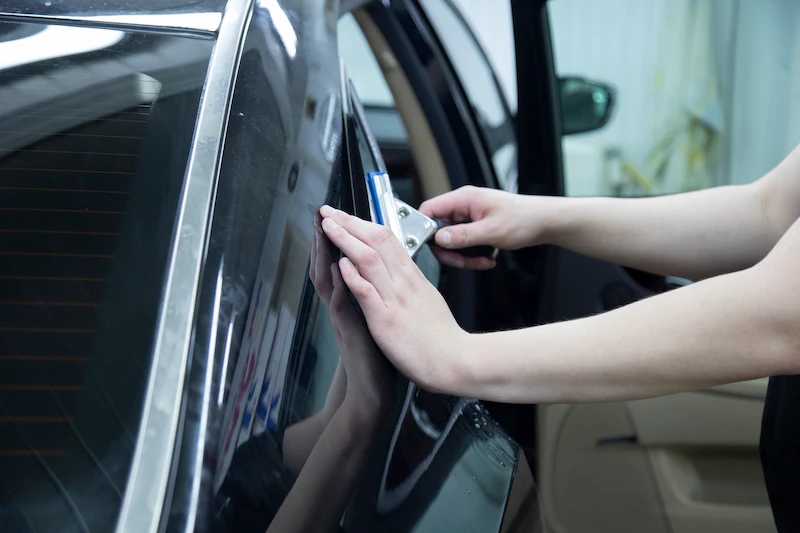
To remove car window tint quickly and safely, start by peeling off the tint with a squeegee or your fingers, then use a commercial tint remover or soapy water to loosen any remaining adhesive. Finally, wipe the window clean with a lint-free cloth. With patience and the right tools, you can restore your windows to their original clarity in no time.
Removing car window tint may seem daunting, but with the right approach, it’s pretty straightforward. First, ensure your car is in a shaded area to prevent rapid drying of cleaners. Use a heat source like a hairdryer to warm the tint, making it easier to peel off in large sections. Once the tint is loosened, gently lift it away from the glass, taking care not to scratch the surface. For stubborn adhesive residues, applying a commercial tint remover or a mixture of soapy water will help dissolve the glue. Finish by thoroughly cleaning the window to leave it clear and ready for new tint or an untouched view. Whether you’re replacing old tint or just want a clear window, knowing this process makes the task manageable.

How to Take Car Window Tint Off: A Step-by-Step Guide
Understanding Why You Might Want to Remove Window Tint
Many car owners choose to tint their windows for privacy, UV protection, or to reduce glare. However, over time, the tint may peel, bubble, or fade, making it unattractive or non-functional. Removing the window tint allows you to replace it with a new layer or restore the original look of your vehicle.
Safety Precautions Before Starting
Before removing the tint, ensure you wear gloves and eye protection to avoid irritation from chemicals or glass shards. Work in a well-ventilated area to prevent inhaling fumes from adhesives or cleaning products. Also, read your vehicle’s manual for specific guidelines related to window removal.
Tools and Materials Needed for Removing Car Window Tint
Gather the following items to make the process smoother:
- Spray bottle with soapy water or commercial window tint remover
- Plastic razor blades or scrapers
- Heat gun or hairdryer
- Microfiber cloths or towels
- Plastic putty knives
- Glass cleaner and isopropyl alcohol
- Tape (masking or painter’s tape)
- Rubber gloves and safety glasses
Preparing Your Workspace
Choose a shaded, dust-free area to work on your car. Make sure the car windows are clean from dust and dirt to avoid scratching. Cover the interior of the car with blankets or plastic sheets to prevent damage from any chemicals or debris.
Step 1: Heating the Window for Easier Removal
Applying heat softens the adhesive that secures the tint to the glass. Use a heat gun or a hairdryer set to high heat. Hold it about 2-3 inches from the window surface and move it in circular motions for 30 seconds to 1 minute. Be cautious not to overheat or crack the glass.
Step 2: Applying Soapy Water or Commercial Remover
Spray the heated tint generously with soapy water or a commercial window tint removal solution. The solution helps loosen the adhesive. Let it sit for a few minutes to penetrate and soften the tint.
Step 3: Peeling the Tint Film
Begin at a corner or edge of the tint film using your fingers or a plastic razor blade. Gently lift the film without applying excessive force to avoid glass damage. If the film resists, reapply heat and spray, then try again.
Step 4: Removing Residual Adhesive
After peeling off the tint, sticky adhesive may remain on the glass. Spray the area with the adhesive remover and let it sit for a few minutes. Use a plastic scraper or putty knife to gently scrape off the residue.
Tip: Use Multiple Tools for Better Results
For stubborn spots, try a combination of plastic scrapers and microfiber cloths. Avoid using metal tools that can scratch the glass.
Step 5: Cleaning the Window Thoroughly
Once all adhesive is removed, clean the glass with glass cleaner and isopropyl alcohol. Wipe down to eliminate any leftover residue or chemical remains. This ensures a smooth surface for new tint if you decide to re-tint.
Step 6: Final Inspection and Touch-Ups
Check the entire window for any remaining adhesive or tint fragments. Repeat the heating and scraping process if necessary until the surface is clean. Make sure the window is fully dry before installing new tint or rolling up the windows.
Additional Tips for a Smooth Removal Process
- Work slowly and patiently to prevent glass damage
- Test a small area first to see how the tint reacts to heat and chemicals
- Use quality tools to avoid scratches and cracks
- Do not rush the peeling process; gentle peeling reduces glass stress
Common Challenges and How to Overcome Them
Removing window tint can sometimes be tricky if the film has been on for years. Adhesive may be stubborn or unevenly applied. Soaking the film longer with heat and remover helps loosen tough spots. If any tint remains stubborn, repeat the heating and peeling process.
Replacing or Reapplying Window Tint
Once the old tint is removed and the window is clean, you can replace it with new film if desired. Measure carefully to cut the new tint to size. Follow proper installation procedures to avoid bubbles, creases, or other issues.
Summary of the Removal Process
In summary, removing car window tint involves heating, peeling, and cleaning. Patience and the right tools are vital for a successful job. This process not only restores your window’s appearance but also prepares it for a new tint or a clear view.
Related Topics to Consider
- How to tint car windows properly
- Best window tinting films for cars
- Cleaning tips for car windows
- Legal regulations regarding window tinting in your area
Frequently Asked Questions
What tools are necessary to remove car window tint at home?
To remove car window tint effectively, gather supplies such as a spray bottle filled with soapy water, a razor blade or utility knife, a plastic scraper or credit card, a clean cloth, and adhesive remover or rubbing alcohol. These tools help loosen the adhesive and peel away the tint smoothly without damaging the glass.
What is the best method for loosening the adhesive when removing tint?
Start by applying a generous amount of soapy water or a commercial tint removal solution to the tint. Let it sit for a few minutes to soften the adhesive. Use a plastic scraper or credit card to gently lift the edges of the tint, then peel it back slowly. If adhesive remains, apply more solution and use rubbing alcohol or adhesive remover to dissolve it, making removal easier.
How can I prevent damage to the window during tint removal?
To protect your window, avoid using metal tools which can scratch the glass. Instead, opt for plastic scrapers or credit cards. Work slowly and carefully to lift the tint gradually from the edges, and keep the surface moist to minimize scratching or cracking. Applying gentle pressure and patience ensures a damage-free removal process.
Are there any safety precautions I should follow during tint removal?
Yes, wear gloves and work in a well-ventilated area to avoid exposure to fumes from adhesive removers and alcohol. Also, be cautious while using sharp tools like razor blades to prevent cuts. Keep your work surface clean and avoid rushing, ensuring you stay safe throughout the process.
Can I reuse the window after removing the tint?
Yes, once you remove the tint and clean the glass thoroughly, you can reuse the window for new tinting or leave it clear. Make sure to remove all adhesive residue using proper cleaners, and clean the glass until it is spotless for the best results with any new tint or clear finish.
Final Thoughts
To take car window tint off, start by heating the window with a hairdryer to loosen the adhesive. Carefully peel the tint away using a plastic scraper or credit card to avoid scratching the glass. Apply a window cleaner or rubbing alcohol to remove any remaining adhesive residue.
Following these steps makes the process easier and safer. Remember, patience and gentle effort are key when taking car window tint off to prevent damage and ensure a clean result.

- How To Fix Laminated Windshield Chip Effectively - October 29, 2025
- How To Repair Laminated Glass Crack Effectively - October 29, 2025
- How To Clean Laminated Glass Properly For Sparkling Results - October 29, 2025