Can Laminated Glass Be Recycled A Complete Guide
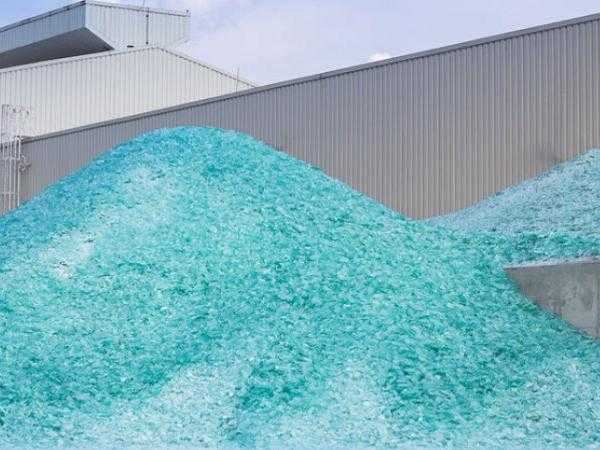
Yes, laminated glass can be recycled, but the process is more complex than recycling regular glass. It’s definitely possible, yet it requires specialized methods to separate the layers and safely handle the materials involved. Recycling laminated glass helps reduce waste and environmental impact, but not all recycling facilities are equipped to process it efficiently.
Laminated glass is commonly used in car windshields and certain architectural applications because of its safety features. While recycling options do exist, they are often limited and depend on local facilities’ capabilities. Proper recycling not only conserves resources but also minimizes landfill use, making it an eco-friendly choice for disposing of laminated glass. If you’re wondering about recycling options, it’s best to check with local recycling centers to see if they accept laminated glass and understand the process involved.

Can Laminated Glass Be Recycled? Exploring the Recycling Potential of Laminated Glass
Understanding Laminated Glass and Its Composition
Laminated glass is made by bonding two or more sheets of glass together with a flexible plastic interlayer, usually polyvinyl butyral (PVB). This design makes the glass safer because it holds together if broken, preventing shards from causing injuries. The plastic layer also enhances soundproofing and UV protection, adding to its popularity in architecture and automotive industries.
Because of its layered structure, laminated glass is different from standard glass. The interlayer’s properties significantly influence how the glass can be recycled. To determine if laminated glass can be recycled, it’s important to understand how this composition affects the recycling process.
The Recycling Challenges of Laminated Glass
Recycling laminated glass poses more challenges than recycling regular glass. The main issue comes from removing or processing the plastic interlayer without damaging the glass. Unlike pure glass, laminated glass contains polymers, which are not easily melted or reformed like glass.
Additionally, the presence of the plastic layer can contaminate the glass during recycling, affecting the quality of the recycled material. This requires special techniques and equipment, making the recycling process more complex and sometimes more expensive.
Is Laminated Glass Recyclable? The Current Reality
Despite these challenges, laminated glass is technically recyclable. Recyclers can extract the glass from the plastic interlayer and reuse it. However, not all recycling facilities are equipped to handle laminated glass, which limits its recycling options in some regions.
Many recycling centers can process laminated glass into raw materials that can be used in manufacturing new glass products. The process involves breaking down the glass into smaller pieces, cleaning, and melting it down. The plastic interlayer, however, might require separate processing or disposal.
Methods for Recycling Laminated Glass
Recycling laminated glass involves specific techniques designed to separate the glass from the plastic layer. These methods include:
Mechanical Separation
This technique involves crushing laminated glass into small pieces. The plastic interlayer can be separated from the glass using mechanical or thermomechanical processes. The goal is to recover clean glass shards suitable for remelting.
Thermal Processes
Heat can be applied to soften or burn away the plastic interlayer. High-temperature processes can help in separating the plastic from the glass without damaging the glass itself. However, this method needs to be carefully managed to avoid emissions and environmental impact.
Chemical Treatments
Chemical methods can break down the plastic interlayer, making separation easier. This process involves using solvents or other chemicals that dissolve or weaken the plastic. Such techniques are effective but require proper handling and disposal measures.
Recycled Glass from Laminated Sources
Recycled glass obtained from laminated glass can be used in several applications. It is often processed into cullet, which can serve as raw material in new glass manufacturing. Properly recycled laminated glass reduces the demand for virgin raw materials and lowers carbon emissions.
Some of the main uses of recycled laminated glass include:
- Manufacturing new windows and glass panels
- Producing glass tiles and decorative elements
- Creating soundproofing and insulation materials
Recycling laminated glass not only benefits the environment but also supports the economy by creating new markets for recycled materials.
Environmental Benefits of Recycling Laminated Glass
Recycling laminated glass offers several ecological advantages. It helps reduce the amount of waste sent to landfills, conserving space and reducing pollution. Recycling also decreases the need for raw material extraction, preserving natural resources like silica, soda ash, and limestone.
Additionally, recycling laminated glass consumes less energy compared to manufacturing new glass from raw materials. This results in lower greenhouse gas emissions, contributing to climate change mitigation efforts. Overall, recycling laminated glass aligns with sustainable development goals and promotes responsible waste management.
Innovations in Laminated Glass Recycling
Researchers and companies are constantly developing new methods to improve laminated glass recycling. Innovations include advanced separation technologies, such as laser or ultrasonic separation, which can efficiently split the glass and plastic layers.
Some companies are also exploring chemical recycling processes that convert plastic interlayers back into raw materials for other products. These innovations aim to make recycling more cost-effective, environmentally friendly, and accessible to more recycling facilities.
Legislation and Recycling Incentives
Government policies influence how laminated glass is recycled. Many countries enforce regulations that require the recycling of glass products, including laminated glass, to reduce environmental impact.
Incentives such as subsidies or tax benefits can encourage recycling centers and manufacturers to invest in specialized equipment for processing laminated glass. Supporting legislation promotes higher recycling rates and the development of sustainable glass recycling practices.
Recycling Laminated Glass in Different Sectors
The recycling potential varies among industries that use laminated glass. The construction sector generates large quantities of used laminated glass from buildings. Recycling efforts focus on recovering and reprocessing this material into new building components.
The automotive industry also produces laminated glass waste from vehicles. Recycling automotive laminated glass helps reduce environmental impact and supports the circular economy in vehicle manufacturing.
Future Outlook for Laminated Glass Recycling
The future of laminated glass recycling looks promising with ongoing innovations and increasing environmental awareness. More recycling facilities are expected to adopt advanced techniques, making recycling more viable and widespread.
Improved sorting and separation technology will decrease costs and increase the quality of recycled glass. As demand for eco-friendly building and automotive materials grows, recycling laminated glass will become an integral part of sustainable manufacturing practices.
Related Topics
To expand your understanding, consider exploring related topics such as:
- Glass recycling processes and techniques
- Sustainable building materials
- Environmental impacts of glass waste
- Innovations in eco-friendly packaging
- The circular economy and its benefits
Understanding these interconnected areas can help you grasp the importance of recycling laminated glass and other sustainable materials. Embracing recycling practices ensures a healthier planet for future generations and promotes responsible resource use.
How to Recycle Laminated Glass: Windshield & Building Glass Separation Machine
Frequently Asked Questions
What recycling processes are used for laminated glass?
Recycling laminated glass involves separating the glass layers and the interlayer material, typically polyvinyl butyral (PVB). This process includes crushing the glass, removing contaminants, and then melting or reprocessing the glass for various applications. The PVB layer can also be recovered and reused in manufacturing new laminated glass or other products, making the entire process more sustainable.
Are there specific facilities that handle laminated glass recycling?
Yes, specialized recycling facilities are equipped to process laminated glass. These facilities use advanced techniques to efficiently separate the layers and recycle the glass for reuse. It’s important to find recycling centers that accept laminated glass, as not all curbside recycling programs handle this material due to its complex composition.
What challenges might arise when recycling laminated glass?
Recycling laminated glass presents challenges such as effectively separating the glass from the interlayer without damaging the material. Contaminants like residues or adhesives can complicate the process. Additionally, the mixed composition requires specific equipment and expertise, which may limit the availability of recycling options in some regions.
Is recycled laminated glass suitable for making new glass products?
Yes, recycled laminated glass can be processed into raw materials suitable for manufacturing new glass products. The glass shards can be melted and reformed into various items, including new laminated panels, windows, or other glass-based products. Recycling helps reduce raw material consumption and supports environmental sustainability.
Can the interlayer material in laminated glass be reused or recycled?
The interlayer material, usually PVB, can sometimes be recovered during the recycling process and reused or repurposed. However, the quality of the recovered PVB depends on the recycling method and the extent of contamination. In some cases, the interlayer is processed into alternative products or used as an additive in other manufacturing processes.
Final Thoughts
Laminated glass can be recycled, but the process is more complex than with regular glass. The plastic interlayer needs to be separated and processed properly. Recycling facilities with specialized equipment handle this task effectively.
Understanding how to recycle laminated glass encourages more sustainable practices. It reduces waste and conserves resources.
Can laminated glass be recycled? Yes, it can, but it requires specific methods. Proper recycling helps minimize environmental impact and promotes eco-friendly waste management.

Similar Posts