Can Laminated Glass Stop A Bullet Effective Safety Solution
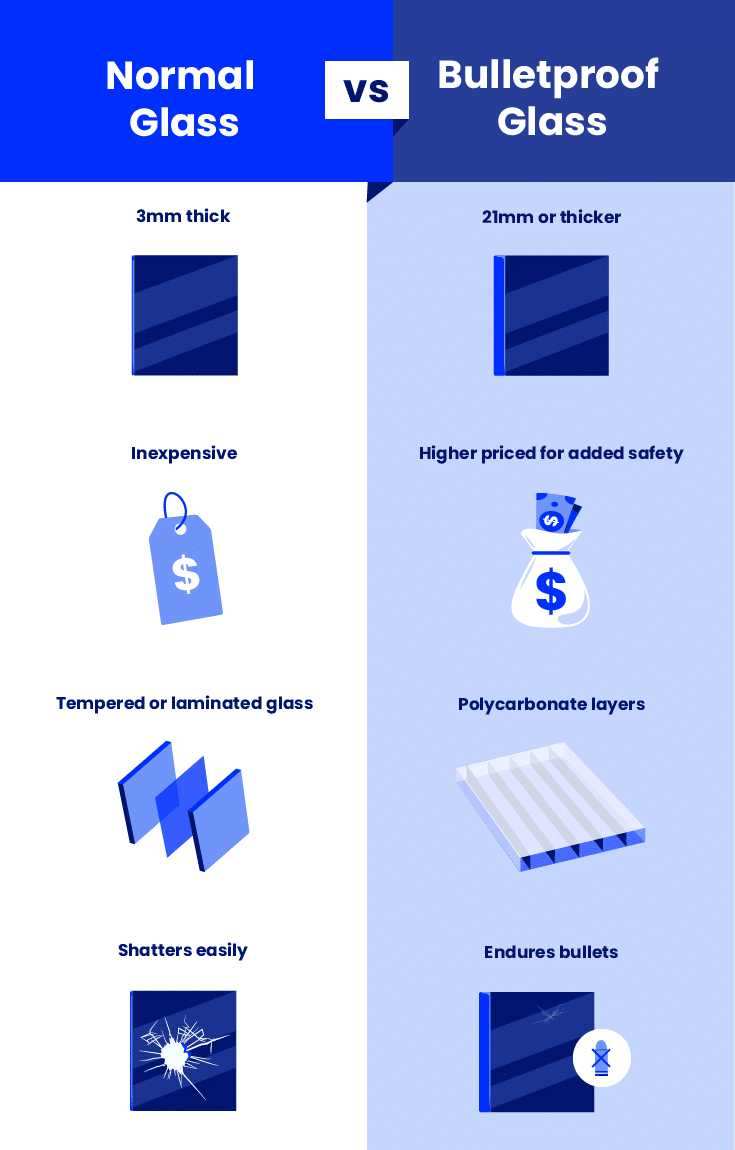
Yes, laminated glass can stop a bullet, especially when designed with multiple layers and a strong polycarbonate interlayer. However, its effectiveness depends on the caliber of the bullet and the thickness of the glass. Generally, laminated glass is used in security windows to provide a considerable level of protection against firearms.
Laminated glass, made by bonding multiple glass layers with a durable plastic interlayer, is often thought to be an effective barrier against bullets. While it can stop some smaller calibers, it isn’t invincible and may not withstand high-velocity rounds or powerful weapons. Its primary purpose is to delay and absorb the impact, increasing safety and preventing glass shards from causing injury. If you’re considering security measures, understanding the limitations and proper specifications of laminated glass is essential to ensure adequate protection.

Can Laminated Glass Stop a Bullet?
Many wonder if laminated glass can provide protection against bullets. This question is common for homeowners, security professionals, and architects who seek to improve safety. The answer depends on several factors, including the glass’s thickness, layers, and the type of bullet fired. Let’s explore these details to understand how effective laminated glass is in stopping bullets.
What Is Laminated Glass?
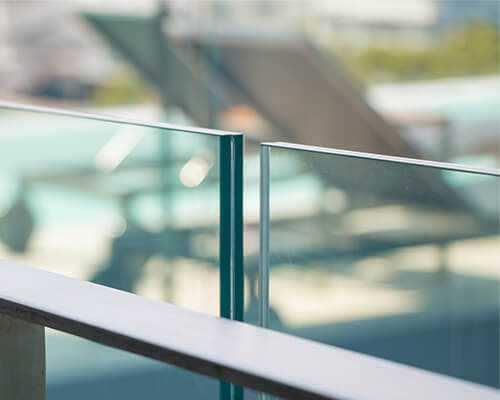
Laminated glass is made by bonding two or more glass layers with a clear plastic interlayer, usually polyvinyl butyral (PVB). This design holds the glass together when shattered, reducing injury risks and preventing easy break-ins.
This construction makes laminated glass stronger and more resistant to impacts. It is commonly used in car windshields, building windows, and security areas where extra protection is necessary.
How Does Laminated Glass Work Against Bullets?
The strength of laminated glass against bullets comes from its layered nature. When a bullet hits, the plastic interlayer absorbs and disperses the energy, preventing the bullet from passing through easily.
However, its effectiveness depends on the number of layers, thickness, and the type of bullet. Thicker and more layers generally provide better protection, but there are limits to what laminated glass can stop.
Factors That Influence Bullet Resistance
- Number of Layers: More layers increase the ability to stop bullets. Usually, security-grade laminated glass contains several layers of glass and plastic.
- Glass Thickness: Thicker glass layers are more effective at absorbing impacts. Typical safety glass ranges from 5mm to over 20mm in thickness.
- Type of Bullet: Different bullets have varying power. Handgun rounds are easier to stop than high-velocity rifle rounds.
- Bullet Velocity: Faster bullets carry more energy, requiring stronger glass to stop them.
- Shot Distance: The closer the shooter, the more energy the bullet has upon impact.
Standard Bullet-Resistant Glass Ratings
Bullet-resistant glass is often tested and rated based on standards like the UL 752 or the European EN 1063. These ratings classify glass into levels depending on the type of ammunition it can withstand.
| Rating Level | Protection Against | Common Use |
|---|---|---|
| Level 1 | Handgun rounds (9mm, .44 Mag) | Home security, small business |
| Level 3 | High-powered rifles (AR-15, AK-47) | Government buildings, banks |
| Level 4 | Specialized armor-piercing rounds | Military, high-security facilities |
Can Laminated Glass Stop Different Types of Bullets?
Handgun Rounds
Most laminated glass with adequate thickness and multiple layers can stop standard handgun bullets, such as 9mm or .45 ACP rounds. These are common threats for security glass in urban environments.
Rifle Rounds
Rifle bullets, especially high-velocity ones like 5.56mm or 7.62mm, are more challenging. To stop such rounds, laminated glass needs to be significantly thicker, often 40mm or more, with reinforced layers.
Armor-Piercing and High-Velocity Bullets
These bullets are designed to penetrate tough materials. Standard laminated glass alone may not be enough. Specialized security glass or ballistic panels are necessary for such threats.
Limitations of Laminated Glass in Bullet Protection
While laminated glass offers improved resistance, it is not bulletproof in all circumstances. It can be compromised by high-velocity rounds or sustained fire.
Repeated hits in the same spot may weaken the glass, increasing the chance of penetration. Moreover, large caliber projectiles may shatter the glass entirely.
Enhancing Bullet Resistance
- Adding Multiple Layers: Increasing layers enhances protection. Security-grade laminated glass can have up to 12 layers for high threat levels.
- Using Specialized Materials: Polycarbonate or other impact-resistant plastics can be combined with laminated glass for extra strength.
- Combining with Other Security Measures: Using laminated glass alongside security films, metal shutters, or ballistic panels can improve safety.
Comparison With Other Bullet-Resistant Materials
| Material | Bullet Resistance | Advantages | Disadvantages |
|---|---|---|---|
| Laminated Glass | Varying, depends on thickness and layers | Clear, aesthetically pleasing, versatile | Limited against high-powered rounds in standard forms |
| Ballistic Vinyl/Polycarbonate | High, especially with multiple layers | Extra impact resistance, lightweight | More expensive, heavier |
| Steel or Ballistic Metal | Complete protection against most rounds | Maximum protection, very durable | Heavy, can be less transparent |
Choosing the Right Laminated Glass for Safety
Match the laminated glass type to the level of threat you want to guard against. For typical security needs, a rating of UL 752 Level 1 or 2 may suffice. For higher threats, look into specialized ballistic glass options.
Consult with security experts to determine the best thickness, number of layers, and materials for your specific environment and budget.
While laminated glass can stop certain bullets, its effectiveness depends on many factors. It provides a good level of protection for everyday threats like handgun rounds and low-velocity projectiles. For high-powered or armor-piercing rounds, additional security measures are necessary. Proper design, layering, and material selection are vital in maximizing bullet resistance.
Secret Service Suburban Window vs 50 Cal Sniper Rifle
Frequently Asked Questions
What factors determine the bullet resistance of laminated glass?
Laminated glass’s ability to stop a bullet depends on several factors, including the thickness of the glass, the type of interlayer used, and the caliber of the projectile. Thicker laminates with multiple layers of glass and high-quality polymer interlayers can absorb more energy, providing better protection against various types of bullets. The specific design and construction of the laminated glass play crucial roles in its ballistic resistance.
Can laminated glass protect against high-velocity projectiles?
Laminated glass can provide protection against certain high-velocity projectiles, but its effectiveness depends on the glass’s thickness and layering. For instance, standard laminated glass might stop lower-caliber bullets, but it may not withstand higher-velocity or armor-piercing rounds. When protection against high-velocity projectiles is necessary, specialized ballistic glass designed specifically for such threats offers a higher level of security.
What are the limitations of laminated glass in ballistic protection?
While laminated glass can stop some bullets, it has limitations. It may crack or shatter when hit by powerful ammunition, reducing its protective capability. Additionally, thick or multiple layers of laminated glass can be heavy and expensive. Laminated glass also offers limited protection against certain types of projectiles like armor-piercing rounds, which can penetrate or bypass standard laminated layers.
How does the layering in laminated glass influence its ability to stop bullets?
Layering enhances the ballistic resistance of laminated glass. Multiple layers of glass combined with resilient interlayers work together to absorb and dissipate the energy from a projectile. As a projectile strikes the glass, the layers flex and deform, reducing its velocity and preventing penetration. The more layers and the higher quality of materials used, the better the glass performs against various ballistic threats.
Final Thoughts
Laminated glass offers some resistance to bullets, but it is not entirely bulletproof. Its layered design helps absorb impact and prevent glass shards from flying. However, its effectiveness depends on the type of projectile and its speed.
For high-velocity threats like rifles, laminated glass alone cannot guarantee safety. Specialized ballistic materials provide better protection in such cases.
In conclusion, can laminated glass stop a bullet? It offers limited protection against certain threats, but it cannot replace purpose-built ballistic protection.

Similar Posts