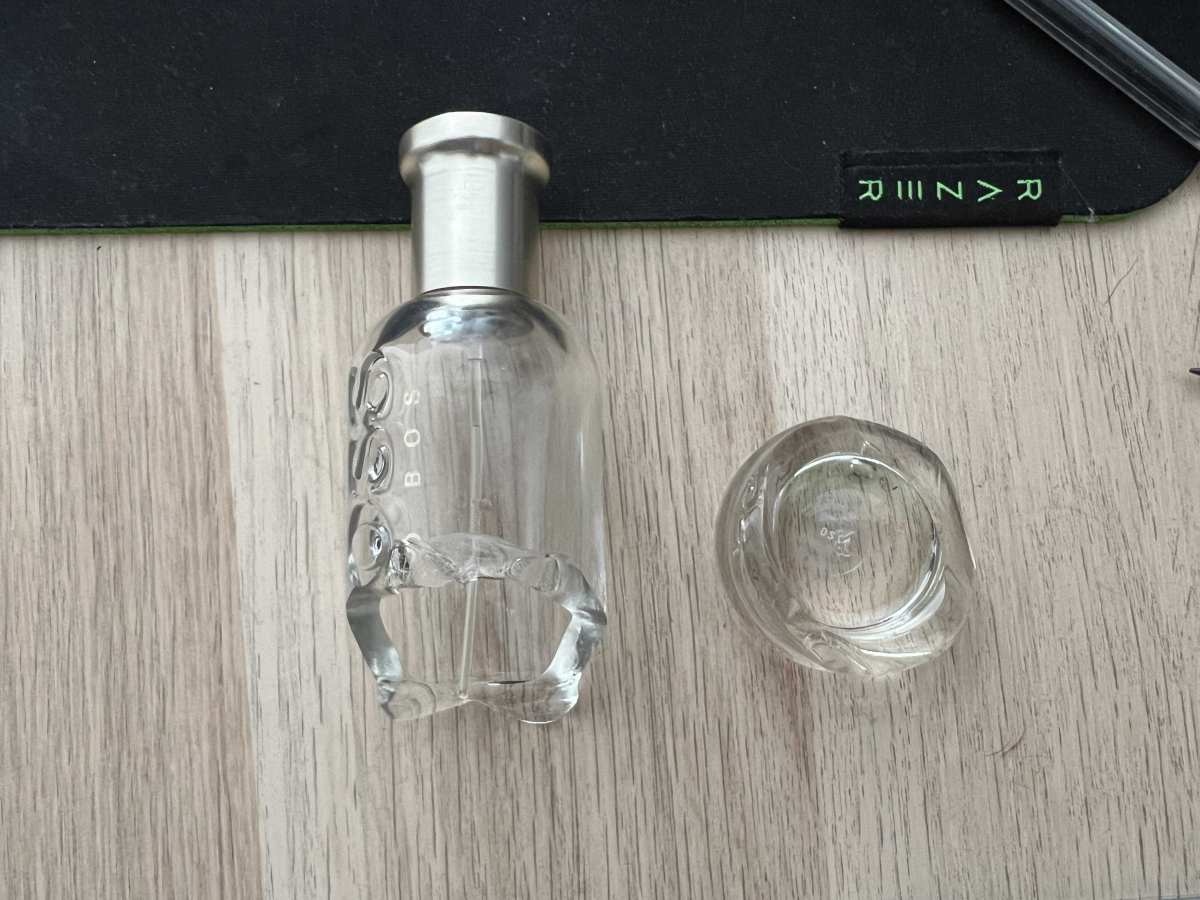
The best glue to fix glass is typically a high-quality epoxy or a specialized glass adhesive that forms a clear, strong bond. These adhesives are designed to handle the unique properties of glass, providing durability and transparency for repairs.
For repairing or bonding glass, choosing the right glue is essential to ensure a seamless and lasting fix. Epoxy resins and specialty glass adhesives are popular options because they create a nearly invisible, strong bond that can withstand various conditions. Whether mending a broken vase, fixing a window, or sealing glass containers, selecting the correct adhesive will make the repair durable and visually appealing. The key is to understand the type of glass and the specific repair needs to pick the most effective glue, ensuring your glass objects regain their strength and clarity with ease.

What Glue Fixes Glass: A Complete Guide to Choosing the Best Adhesive for Your Glass Repairs
Understanding Glass and Its Unique Properties
Glass is a fragile material made mainly from silica, soda ash, and limestone. Its transparency, strength, and smooth surface make it ideal for windows, bottles, mirrors, and decorative objects.
Because glass is brittle, fixing it requires special adhesives that can bond strongly without damaging its delicate surface. Not all glues work equally well for glass repairs, so choosing the right one is key.
Types of Glues Suitable for Fixing Glass
There are several types of glues designed specifically for glass, each suited for different repair needs. Here are the most common options:
- Epoxy Adhesives: Known for their strong bond and durability, epoxy glues are ideal for fixing broken glass objects or creating permanent repairs.
- Super Glues (Cyanoacrylate): These fast-acting glues work well for small cracks or chips. They bond quickly and are easy to use.
- Silicone Sealants: Flexible and waterproof, silicone glues are perfect for sealing glass in outdoor or wet environments.
- UV-Activated Glues: These adhesives require exposure to ultraviolet light to cure. They produce clear, strong bonds suitable for glass art and intricate repairs.
Choosing the Right Glue for Your Glass Repair
The selection of adhesive depends on the specific repair task and the type of glass involved. Consider the following factors:
- Type of Glass: Tempered, laminated, or regular glass may require different adhesives for optimal bonding.
- Size of the Repair: Larger cracks or broken pieces may need epoxy for strength, while small chips can be fixed with super glue.
- Location of the Glass: Indoor glass repairs can often use super glue, but outdoor or exposed glass benefits from waterproof silicone or epoxy.
- Bonding Strength Needed: For structural or load-bearing repairs, choose an adhesive with high tensile strength like epoxy.
- Visibility of the Repair: Clear-drying glues like UV-activated or super glue prevent unsightly marks.
Step-by-Step Guide on How to Use Glue Fix Glass
Proper application ensures the best possible bond and a neat finish. Here are some step-by-step instructions:
Preparation
- Clean the glass surface thoroughly using alcohol or glass cleaner to remove dirt, grease, and fingerprints.
- Slightly roughen the area with fine sandpaper to improve adhesion, especially for larger repairs.
- Dry the surfaces completely to prevent moisture from weakening the bond.
Applying the Glue
- Follow the manufacturer’s instructions regarding the amount of glue to use.
- Apply the adhesive sparingly to avoid excess that can ooze out and affect appearance.
- For epoxy, mix the two parts thoroughly before applying.
Bonding and Curing
- Press the pieces together firmly and hold for the recommended time to ensure a tight bond.
- Use clamps or tape if necessary to keep the glass pieces in position during curing.
- Allow sufficient drying time as specified by the glue manufacturer. Do not disturb the repair during this period.
Safety Tips When Fixing Glass
Handling glass and adhesives can pose hazards. Always wear protective gloves and eye protection during repairs. Work in a well-ventilated area, especially when using strong glues like epoxy or super glue. Keep adhesives out of reach of children to prevent accidental ingestion or contact.
Common Challenges and How to Overcome Them
Fixing glass may sometimes be tricky due to surface incompatibility or improper application. Clear any residues carefully and avoid using excessive glue. If a repair fails, clean the surface thoroughly and try again with a different adhesive better suited for glass.
Additional Tips for Successful Glass Repairs
- Use masking tape to hold pieces in place temporarily during curing.
- Store unused glue in a cool, dry place for future repairs.
- Test the glue on a small, inconspicuous area first if you’re unsure about compatibility.
Related Topics
How to Clean and Prepare Glass Before Gluing
Proper cleaning ensures optimal adhesion. Use isopropyl alcohol or specialized glass cleaners and dry thoroughly.
Best Methods to Seal and Protect Repaired Glass
Apply a thin layer of sealant or protective coating to prevent future damage or leaks, especially for outdoor glass fixtures.
Alternatives to Glues for Glass Repair
Depending on the application, options like mechanical fasteners, tapes, or specialized clamps can serve as temporary solutions or additional support.
Summary
Choosing the right glue for fixing glass involves understanding the type of glass, the repair requirements, and the properties of different adhesives. Epoxy resins and super glues stand out as the most common choices for permanent and semi-permanent fixes, respectively. Proper preparation, application, and curing are essential to achieve a neat, durable repair. Remember to prioritize safety and select the adhesive best suited to your specific needs for a successful outcome.
Top 5 Best Glue For Glass You Can Buy In 2020
Frequently Asked Questions
What types of adhesives are best suited for fixing glass
Epoxy resins and cyanoacrylate glues are highly effective for repairing glass. Epoxy provides a strong, durable bond suitable for large or load-bearing repairs, while cyanoacrylate glue offers quick bonding for small cracks and chips. Make sure to select an adhesive labeled for glass applications to ensure optimal results.
Can clear glue be used to repair glass, and does it leave a visible mark?
Yes, clear glues such as specialized glass adhesives or certain super glues work well for repairing glass. These adhesives dry transparent, making the repair less noticeable. However, ensure the surface is clean and dry before application for the best appearance.
Are there specific primers required before applying glue to glass surfaces?
In most cases, primers are not necessary when using the right glass adhesive. However, if you are repairing a heavily stressed area or a large surface, applying a cleaning agent to remove residues and ensure a smooth, clean surface enhances adhesion and overall hold.
How can I ensure a strong bond when gluing glass pieces together?
To achieve a strong bond, clean the glass thoroughly to remove dust, grease, and fingerprints. Use a suitable adhesive, apply it evenly, and hold the pieces firmly in place until the glue sets. Avoid handling the glass until the adhesive fully cures for maximum strength.
Is it safe to use household glue for fixing glass, or should I choose a specialized product?
Most household glues are not designed for glass and may not provide a lasting or secure bond. It’s best to choose a specialized glass adhesive or epoxy that guarantees durability and safety, especially for items under stress or load.
Final Thoughts
In conclusion, what glue fixes glass depends on the type of repair needed. Epoxy adhesives work well for strong, durable bonds, while silicone sealants are suitable for flexible, watertight fixes. Always choose a glue specifically designed for glass to ensure a secure and lasting repair.

- How To Fix Laminated Windshield Chip Effectively - October 29, 2025
- How To Repair Laminated Glass Crack Effectively - October 29, 2025
- How To Clean Laminated Glass Properly For Sparkling Results - October 29, 2025