When Is The Best Time To Get Your Car Windows Tinted
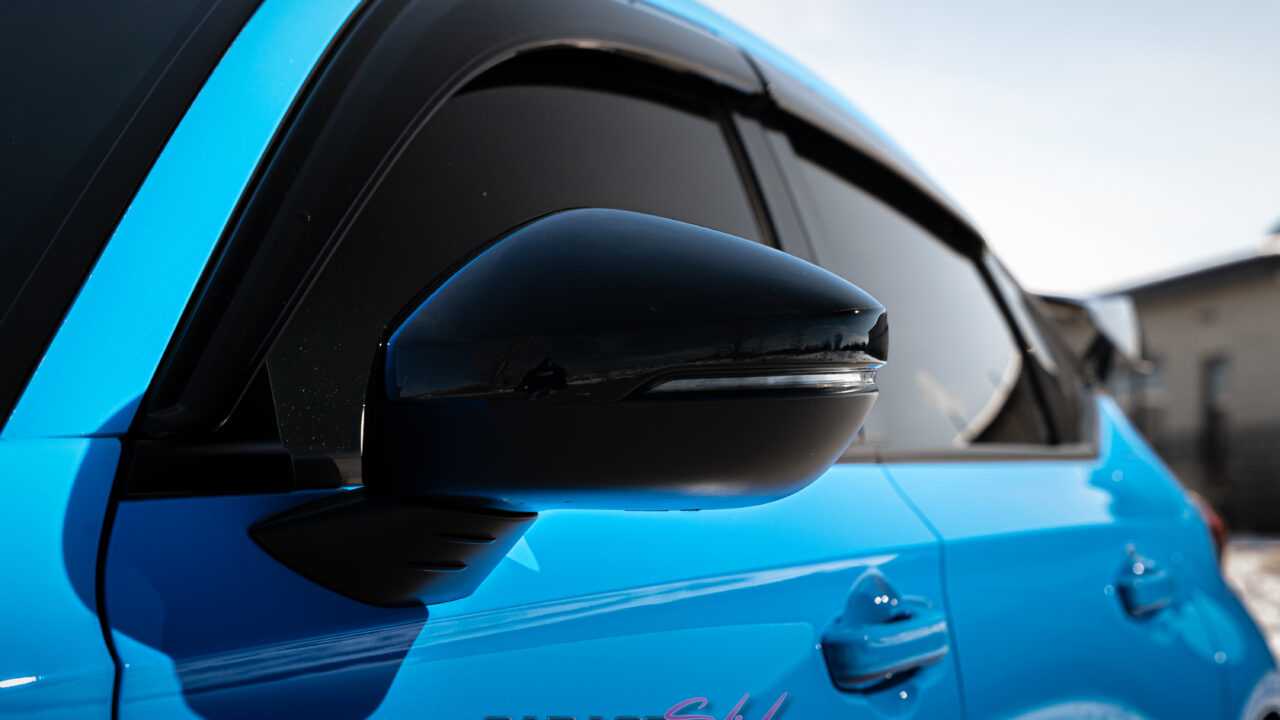
The best time to get your car windows tinted is during cooler months or when the weather is mild. This allows the tint to cure properly without the risk of bubbling or peeling caused by extreme heat or direct sunlight. Getting your windows tinted at the right time ensures a smooth, long-lasting finish that maintains its sleek appearance for years to come.
In short, the ideal time for window tinting is in cooler, less sunny weather, ideally during spring or fall. Avoid peak summer months or freezing winter conditions for the best results, as extreme temperatures can affect the application process and the durability of the tint.
Tinting your car windows is a smart upgrade that offers privacy, reduces glare, and helps keep your vehicle cooler. But timing matters—applying tint during milder weather allows the adhesive to set correctly and minimizes the chances of imperfections. If you’re planning to tint your windows, consider scheduling your appointment during spring or fall when the weather is just right. This way, you’ll enjoy a pristine finish that lasts, without the hassles of weather-induced issues.

When is the Best Time to Get Your Car Windows Tinted
Understanding the Importance of Timing
Getting your car windows tinted at the right time ensures the best results. Timing affects the quality of the tint job and how long it lasts. It also helps you avoid unnecessary delays or extra costs.
Climate and Weather Conditions
Temperature and humidity are key factors in tinting success. The best time to tint your windows is during mild weather. High heat can cause the tint film to bubble or peel, so avoid the hottest months.
Why Extreme Cold or Heat Matters
Cold weather can make the tint adhesive less effective. Excessive heat causes the film to shrink or bubble. Moderate temperatures promote proper adhesion and smooth application.
Optimal Temperature Range
The ideal temperature for window tinting is between 60°F and 75°F (15°C to 24°C). This range allows the adhesive to set correctly and reduces risks of imperfections.
Seasonal Considerations
Different seasons present unique advantages and challenges for tinting. Understanding these can help you decide the right time to proceed.
Spring and Fall: The Best Seasons
Spring and fall typically offer mild temperatures and lower humidity levels. These conditions provide the most comfortable environment for tint installation.
Summer Challenges
Summer often brings high temperatures and intense sunlight. These conditions can cause the tint to dry too quickly, leading to bubbles or uneven application. If tinting in summer, choose early morning or late evening appointments.
Winter Limitations
Winter temperatures are usually too cold for proper tint adhesion. Cold weather slows down the curing process, resulting in a poor-quality tint job. It’s better to wait until temperatures rise.
Timing for optimal Adhesion and Durability
Proper curing time is essential for longevity. Most tint manufacturers recommend waiting at least 24 to 48 hours before exposing the windows to water or cleaning.
Weather Conditions During Installation
Ideal weather during installation is dry and calm. Avoid rainy or windy days, as moisture and debris can compromise the tint’s adhesion.
Allowing the Tint to Cure
After application, the tint needs time to cure. During this period, avoid rolling down windows or exposing the vehicle to water. Waiting ensures the tint bonds well with the glass.
Planning Your Tint Appointment
Strategic scheduling can improve the overall outcome. Consider your personal schedule and local climate conditions.
Best Days and Times
Mid-week appointments are often less crowded and allow for faster, more precise installation. Morning appointments are preferable due to cooler temperatures.
Considering Your Vehicle’s Usage
If you depend on your car daily, plan to tint during a weekend or a time when you’re not needing to drive immediately. This allows the tint to cure properly without disruption.
Legal Regulations and Timing
Different regions have laws regarding window tinting. Be sure to check local regulations before scheduling your appointment.
Legal Tint Limits
Some states restrict the darkness or reflectivity of window tint. Tinting your windows within legal limits prevents fines and the need for costly removal.
Waiting Period After Purchase
In many areas, you must wait a certain period after purchasing a vehicle before tinting is allowed. Confirm these regulations to avoid penalties.
Impact of UV Rays and Sun Exposure
Getting your windows tinted before peak sunlight seasons can protect your car’s interior and your health.
Sun Protection During Peak Seasons
Applying tint before summer can shield your interior from UV rays, decreasing heat and protecting your skin from harmful rays.
Long-Term Benefits
Tinting windows during seasons of intense sun exposure helps prevent interior fading and keeps your car cooler year-round.
Professional vs. DIY Tinting Timing
Deciding between professional installation and DIY can influence when you should get your windows tinted.

Similar Posts


















