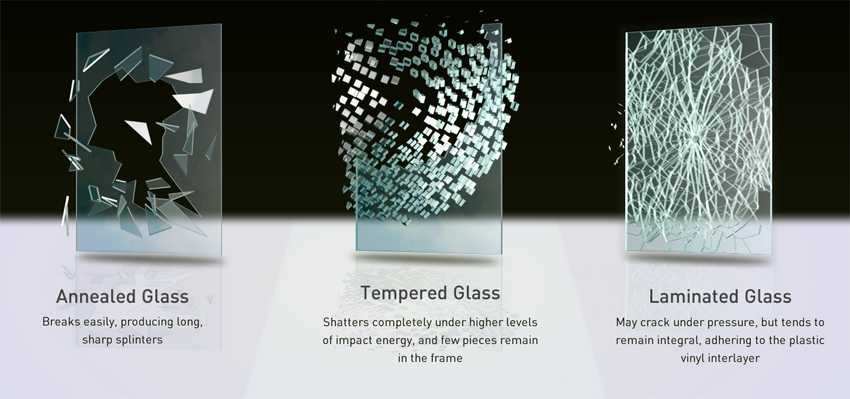
To make laminated glass, sandwich two sheets of glass with a strong interlayer of polyvinyl butyral (PVB), then press and heat the assembly until the layers fuse seamlessly. This process results in a durable, shatter-resistant material perfect for windows and safety applications.
Laminated glass is crafted by bonding multiple layers of glass with a resilient plastic interlayer, primarily PVB. This creates a product that’s not only safer but also provides added insulation and UV protection. The key steps involve cleaning the glass, assembling the layers with the PVB sheet in between, and then applying heat and pressure to bond everything into one solid piece. Whether you’re a professional or a DIY enthusiast, understanding the basics of lamination can help you create windows or decorative panels that combine strength, safety, and aesthetic appeal. Let’s dive into the details of how this fascinating process comes together!

How to Make Laminated Glass: A Complete Guide
Making laminated glass involves several detailed steps that combine safety, craftsmanship, and precise techniques. This process ensures the final product is durable, resistant to impact, and provides safety for various applications. In this guide, we will explore every part of how to make laminated glass, from the raw materials to the final product, with tips to achieve the best quality.
Understanding Laminated Glass and Its Uses
Laminated glass is made by bonding two or more sheets of glass together with a plastic interlayer, usually polyvinyl butyral (PVB). This interlayer holds the glass pieces together when broken, preventing shards from flying around and causing injuries.
Common uses of laminated glass include car windshields, security windows, skylights, and architectural features like façades. Its safety properties and visual clarity make it a popular choice for many construction and automotive projects.
Materials Needed for Making Laminated Glass
Before starting the manufacturing process, gather all necessary materials. These include:
- Glass Sheets: Typically tempered or annealed glass, cut to desired sizes.
- PVB Interlayer: Polyvinyl butyral film, available in sheets or rolls.
- Cleaning Supplies: Isopropyl alcohol, lint-free cloths, and deionized water.
- Adhesive or Sealant: Optional, for sealing edges or adding extra protection.
Ensure all materials are of high quality to produce a safe, long-lasting laminated glass.
Preparing the Glass Sheets
Proper preparation of glass sheets is essential for good lamination. Follow these steps:
Cleaning the Glass
Use isopropyl alcohol and lint-free cloths to thoroughly clean each piece of glass. Remove all dust, grease, or fingerprints, as contaminants can cause bubbles or weak spots.
Checking for Damage
Inspect the glass for cracks, chips, or warping. Damaged glass should not be used as it compromises safety and quality.
Cutting and Shaping
If needed, cut the glass sheets to the correct dimensions using a glass cutter and straightedge. Always wear safety gear during this process.
Layering the Laminate Components
The layering process is crucial for achieving the desired strength and transparency.
Placing the PVB Interlayer
Lay the PVB film on a clean, smooth surface. Carefully position the glass sheets on either side of the PVB, ensuring proper alignment.
Smoothing Out Air Bubbles
Use a roller or a press to eliminate air bubbles trapped between layers. This step is vital for clarity and adhesion.
Assembling the Laminate Stack
Build a firm stack with the glass and PVB in the correct order, typically glass-PVB-glass for double-layered laminates. For multi-layered products, repeat the process accordingly.
Ensuring Uniform Contact
Apply even pressure across the layers to prevent wrinkles, bubbles, or uneven bonding. This can be done manually or with specialized presses.
The Lamination Process: Heating and Pressing
The core of the manufacturing process involves bonding the layers through heat and pressure.
Using an Autoclave or Hot Press
Place the assembled stack into an autoclave or hot press machine, which applies heat around 130 to 150 degrees Celsius (266 to 302 degrees Fahrenheit). Maintain consistent pressure for the recommended time, usually between 30 to 60 minutes.
Monitoring the Process
Ensure temperature and pressure are uniform throughout the operation to prevent weak spots or delamination. Proper cycling guarantees optimal bonding.
Cooling and Trimming the Laminated Glass
Post-lamination, the glass needs to cool slowly to reduce internal stress.
Cooling
Allow the laminated glass to cool gradually at room temperature. Rapid cooling can cause warping or cracking.
Trimming and Finishing
Use specialized glass cutters and grinders to trim the edges to final dimensions. Check for any imperfections and smooth rough edges.
Quality Control and Inspection
Thorough inspection ensures each piece of laminated glass meets safety and quality standards.
Visual Inspection
Look for bubbles, delamination, or uneven surfaces. The glass should be clear and free of defects.
Impact Testing
Test the laminated glass’s impact resistance by simulating various impacts. This confirms it will perform safely in real-world situations.
Additional Tips and Considerations
To achieve the best laminated glass, consider the following:
- Use high-quality PVB films for better adhesion and safety.
- Maintain a clean environment to prevent dust or debris from contaminating the layers.
- Follow manufacturer specifications for heating and pressing durations.
- Use proper safety equipment during all manufacturing steps.
Related Topics in Laminated Glass Manufacturing
Explore additional techniques such as:
Color Tints and Decorative Laminates
Add color or patterns to the interlayer for aesthetic purposes.
UV Protection and Sound Insulation
Incorporate special interlayers to block UV rays or reduce noise.
Advanced Laminating Methods
Learn about vacuum lamination and other innovative techniques for complex shapes or larger sizes.
Making laminated glass involves careful preparation, precise layering, and controlled bonding processes. When done correctly, the result is a high-quality, safe, and visually appealing product suitable for many applications. Always prioritize safety and quality standards to produce reliable laminated glass every time.
How To: Cut Laminated Glass
Frequently Asked Questions
What materials are necessary to produce laminated glass?
To produce laminated glass, you need two or more sheets of glass, a polyester or PVB (polyvinyl butyral) interlayer, and specialized equipment for bonding the layers. The glass sheets should be clean and free of debris to ensure proper adhesion. The interlayer acts as a bonding agent, holding the glass layers together even if the glass breaks, providing safety and durability.
How do you properly prepare the glass surfaces before lamination?
Start by thoroughly cleaning the glass sheets to remove dust, grease, and other contaminants. Use a lint-free cloth with a glass cleaner or isopropyl alcohol to wipe down the surfaces. Ensure the edges are smooth and free of chips. Proper surface preparation helps the interlayer adhere firmly, resulting in a clear, strong lamination without air bubbles or imperfections.
What are the key steps involved in the lamination process?
First, position the glass sheets with the interlayer sandwiched between them. Place the assembly into a laminating machine or an autoclave where heat and pressure are applied. Heat typically ranges from 60°C to 80°C (140°F to 176°F), and pressure ensures the layers bond uniformly. Maintain these conditions for a specified time, often around 30 to 60 minutes, until the interlayer cures and bonds securely to the glass sheets.
How can I ensure a high-quality and clear laminated glass after the process?
Prevent air bubbles and imperfections by careful handling during assembly and ensuring the interlayer is free of dust and wrinkles. Use controlled temperature and pressure conditions during lamination. After the process, inspect the glass for clarity and evenness. If needed, trim the edges for a clean finish. Proper cooling and curing also contribute to a flawless, transparent finish.
What safety precautions should I follow during the lamination process?
Always wear protective gloves and goggles to prevent contact with hot materials and chemicals. Work in a well-ventilated area to avoid inhaling fumes from cleaning agents or adhesives. Follow manufacturer instructions carefully for equipment operation, and ensure the press or autoclave is correctly maintained. Proper handling minimizes risks associated with high temperatures and pressurized equipment, ensuring a safe working environment.
Final Thoughts
To make laminated glass, start by placing a layer of polyvinyl butyral (PVB) film between two sheets of glass. Use a lamination machine or press to apply heat and pressure, bonding the layers securely. Ensure the glass is clean before lamination to prevent bubbles or imperfections. The process results in a durable and safe laminated glass that can be used in various applications. Understanding how to make laminated glass involves precise layering and controlled pressure. Following these steps guarantees a high-quality product suitable for safety and aesthetic purposes.

- How To Fix Laminated Windshield Chip Effectively - October 29, 2025
- How To Repair Laminated Glass Crack Effectively - October 29, 2025
- How To Clean Laminated Glass Properly For Sparkling Results - October 29, 2025