Yes, laminated glass can improve visibility, especially in challenging weather conditions or when safety is a priority. It reduces glare and minimizes windscreen reflections, making it easier to see clearly. Additionally, laminated glass enhances overall clarity by minimizing distortions and keeping the glass intact during impacts, which maintains a clear view.
Laminated glass, commonly used in car windshields, is designed to provide better visibility and safety. This type of glass is composed of two layers of glass with a plastic interlayer, which can block harmful UV rays and reduce glare. By minimizing reflections and fogging, laminated glass helps drivers see better, particularly in rain, fog, or bright sunlight. Whether for vehicles or architectural applications, this innovative glass improves clarity and safety, ensuring a more comfortable viewing experience in various environments. If you’re looking to boost your visual comfort and protection, laminated glass might be the perfect solution.

Does Laminated Glass Improve Visibility?
Laminated glass is often used in windows and vehicle windshields, but many people ask if it actually improves visibility. The answer heavily depends on how the glass is made and what it’s meant to do. Let’s explore how laminated glass influences what you see and how it can help in different situations.
What Is Laminated Glass?
Laminated glass consists of two or more glass layers bonded together with a plastic layer, usually polyvinyl butyral (PVB). This plastic layer holds the glass together even if it breaks, making the glass safer and more durable. Unlike regular glass, laminated glass offers better resistance to shattering and can block certain types of harmful rays.
Does Laminated Glass Make Visibility Better or Worse?
The impact of laminated glass on visibility depends on various factors. While it is designed to be clear and transparent, some types of laminated glass can slightly influence how well you see through it. Usually, the benefits outweigh the drawbacks, especially in safety and glare reduction.
How Laminated Glass Affects Light Transmission
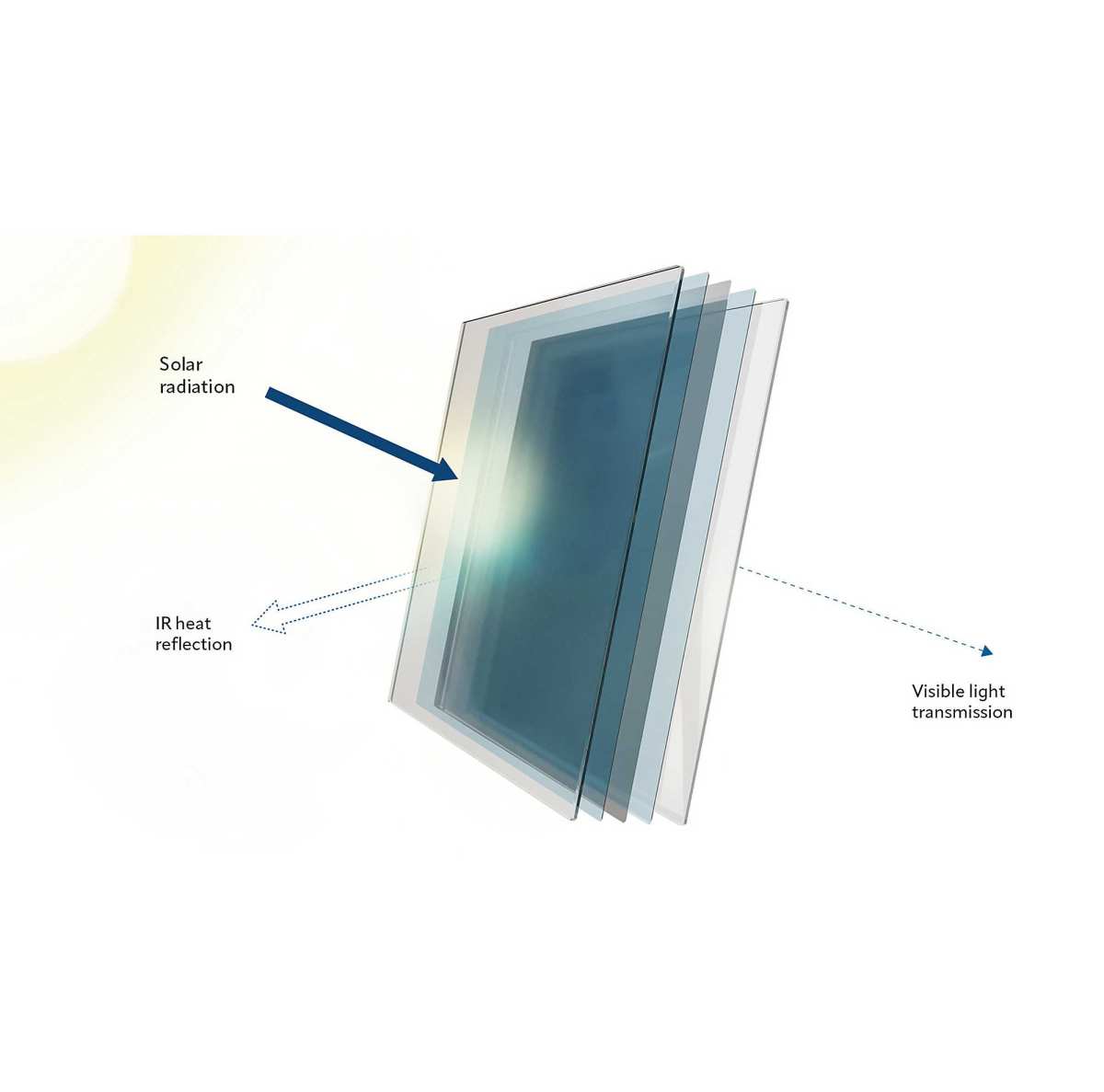
Laminated glass filters light differently than standard glass. Some layers can slightly reduce the amount of visible light passing through, leading to a minor dimming effect. However, high-quality laminated glass is made to maximize light transmission, keeping visibility clear and bright.
Blocking UV Rays
Many laminated glasses include UV-protective layers. These layers block ultraviolet rays from entering, which protects your eyes from harmful exposure. While this reduces UV damage, it can influence the color and brightness of what you see indoors or through the glass.
Controlling Glare and Reflections
One significant advantage of laminated glass is its ability to reduce glare. Glare occurs when sunlight or headlights reflect off the glass surface, impairing visibility. Laminated glass can be treated to minimize reflections, making it easier to see even during bright sunlight or at night.
Advantages of Laminated Glass for Visibility
Laminated glass offers several benefits that can enhance visibility in many situations. These include:
- Reduced Glare: Special coatings and the plastic layer decrease the glare from the sun and headlights.
- UV Protection: Blocks harmful ultraviolet rays, making environments safer and more comfortable.
- Enhanced Safety: Even if the glass breaks, it stays in place, preventing injury and maintaining clarity of the view.
- Sound Insulation: Diminishes noise, making the environment quieter, which can help you focus and see better.
Limitations of Laminated Glass in Visibility
Despite its many benefits, laminated glass isn’t perfect for every situation. It can sometimes cause slight distortions, especially if the layers aren’t properly manufactured. Also, some types may have a tint or color that can influence how colors appear through the glass.
Potential Color Distortion
Some laminated glasses are tinted to reduce glare or improve privacy. These tints may slightly alter or dull the colors you see, which can affect activities like driving or viewing artwork. High-quality laminates minimize this effect with transparent and neutral tints.
Cost and Installation Considerations
Laminated glass generally costs more than regular glass, and proper installation is essential to get the best visibility. A poorly installed laminated window can lead to warping or blurry views, defeating its purpose.
Applications of Laminated Glass for Visibility Enhancement
Laminated glass is used in various settings where improving visibility and safety is crucial. Here are some key applications:
Automobile Windshields
Most vehicle windshields are made from laminated glass. This choice enhances driver safety by preventing shattering and reducing glare, especially in bright conditions.
Building Windows and Skylights
Buildings use laminated glass to improve comfort and safety. It reduces glare, blocks harmful UV rays, and keeps windows intact during storms or accidents.
Security and Safety Glass in Public Spaces
Public places like airports and malls use laminated glass for windows and barriers. It ensures clear visibility while protecting against break-ins and accidents.
Related Topic: Solar Control Laminated Glass
Some laminated glasses are designed specifically to block infrared and ultraviolet rays, reducing heat and glare. This type keeps interiors cooler and improves visibility in sunny areas.
Choosing the Right Laminated Glass for Visibility
When selecting laminated glass, consider factors like tint, thickness, and coatings. These choices directly affect how light and colors are transmitted through the glass.
Key Specifications to Look For:
- Visible Light Transmission (VLT): Indicates how much light passes through. Higher VLT improves clarity.
- UV Rejection: Higher UV rejection levels protect your eyes without compromising visibility.
- Tint and Color: Neutral tints preserve natural colors, while darker tints reduce glare more effectively.
Overall, laminated glass can improve visibility by reducing glare, blocking harmful rays, and maintaining clear views in many environments. While it may slightly influence color perception or introduce minimal distortions, these effects are generally outweighed by its safety and clarity benefits. Choosing the right type of laminated glass ensures you get the maximum advantages for your specific needs, whether in vehicles, buildings, or public spaces.
What Type of Glass be Used in Your Home Window | Float | Low-E | Tempered | Laminated | Insulated
Frequently Asked Questions
How does laminated glass affect visual clarity during poor weather conditions?
Laminated glass often enhances visual clarity in adverse weather by reducing glare and minimizing distortions caused by rain, fog, or snow. Its layered structure helps in filtering out some of the visual obstructions, providing a clearer view and improving safety for drivers and pedestrians alike.
Can laminated glass reduce glare from headlights and streetlights at night?
Yes, laminated glass significantly reduces glare from headlights and streetlights at night. Its design helps diffuse intense light sources, making nighttime visibility more comfortable and decreasing eye strain, which enhances safety for all road users.
Does the thickness of laminated glass influence how well it allows light to pass through?
The thickness of laminated glass can impact the amount of light transmission; thicker panes might slightly reduce brightness. However, manufacturers optimize the composition and coatings to balance safety with visibility, ensuring minimal impact on natural light while providing protection.
In what ways does laminated glass contribute to reducing visual distortions in vehicle windows?
Laminated glass is manufactured to maintain consistency in shape and clarity, which minimizes visual distortions that often occur with other glass types. This results in a clearer, more stable view, especially important for drivers and passengers concerned with maintaining accurate visual perception.
Final Thoughts
Laminated glass enhances visibility by reducing glare and blocking harmful UV rays, creating clearer views in various conditions. Its layered construction minimizes distortion, offering better clarity compared to traditional glass.
Does laminated glass improve visibility? Yes, it often does, especially in bright or foggy environments. Clearer views contribute to safer driving and better security. Overall, laminated glass proves to be a valuable choice for improving visibility and safety.

- How To Fix Laminated Windshield Chip Effectively - October 29, 2025
- How To Repair Laminated Glass Crack Effectively - October 29, 2025
- How To Clean Laminated Glass Properly For Sparkling Results - October 29, 2025