Is Windshield Coating Worth It Benefits And Drawbacks

Yes, windshield coating can be worth it if you’re looking for added protection against scratches, dirt, and water. It can improve visibility and make cleaning easier, saving you time and effort in the long run. However, whether it’s a worthwhile investment depends on your driving habits and budget.
A windshield coating offers a protective layer that can enhance durability and clarity, making your driving experience safer and more convenient. Before investing, it’s important to weigh the benefits against the cost to determine if it matches your needs.
Driving in unpredictable weather or frequently facing dirt and debris? A windshield coating might be just what you need to keep your view crystal clear and your windshield in good shape. This article explores whether applying a windshield coating is a smart choice for you, considering factors like cost, lifespan, and overall effectiveness.

Is Windshield Coating Worth It? A Deep Dive into Its Benefits and Drawbacks
What Is Windshield Coating and How Does It Work?
Windshield coating is a liquid layer applied to the surface of your car’s glass. It creates a protective barrier that helps repel water, dirt, and debris. This coating is typically made from hydrophobic materials like silicone or ceramic compounds. When applied correctly, it forms a thin, transparent layer that enhances visibility and safety while driving.
Types of Windshield Coatings Available
There are mainly two types of coatings on the market.
- Hydrophobic coatings: These repel water, leading to better visibility during rain. They also help prevent water spots and reduce the need for frequent windshield wipers.
- Ceramic coatings: These provide a more durable protective layer that resists scratches, chemical stains, and UV rays. They also maintain their effectiveness longer than hydrophobic coatings.
Each type offers different advantages, and choosing the right one depends on your needs and budget.
Benefits of Applying Windshield Coating
Applying a windshield coating can improve your driving experience in several ways.
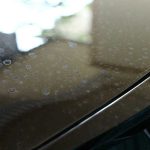
- Enhanced visibility in rain: Coatings cause water to bead up and roll off, making driving in wet weather safer.
- Reduced glare: Hydrophobic layers decrease glare from headlights, which is especially useful during night driving.
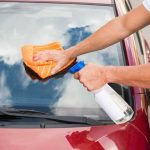
- Less frequent cleaning: Dirt and grime do not adhere as easily to coated glass, meaning you spend less time cleaning your windshield.
- Protection against scratches and stains: Especially with ceramic coatings, the glass surface becomes more resistant to minor scratches and chemical stains from pollutants.
- Long-term cost savings: While there’s an initial investment, the durability means fewer replacements or repairs over time.
Are There Any Drawbacks to Windshield Coating?
Like any product, coatings have some limitations to consider.
- Cost of application: Quality coatings and professional application can be expensive compared to simple cleaning routines.
- Limited lifespan: Hydrophobic coatings typically last a few months, while ceramic coatings might last up to two years with proper maintenance.
- Potential for improper application: Incorrect application can lead to streaks, uneven coverage, or reduced effectiveness.
- Not a replacement for windshield wipers: Coating does not eliminate the need for wipers, especially in heavy rain or snow conditions.
Factors to Consider Before Getting Windshield Coating
Choosing the right coating depends on several factors.
Vehicle Type and Usage
If you drive frequently in rainy or dirty environments, the benefits of coating increase. For occasional drivers, the cost might outweigh the advantages.
Climate Conditions
In areas with heavy rain, snow, or high UV exposure, coatings offer significant protective benefits. Conversely, in dry, sunny climates, the main benefit may be UV protection.
Budget and Cost
Compare the initial cost of professional coating applications against potential savings on cleaning supplies and windshield repairs.
Longevity and Maintenance
Consider how often you are willing to reapply or maintain the coating. Ceramic coatings tend to last longer but require proper care.
Professional Application vs. DIY Coating
Deciding whether to have a professional apply the coating or do it yourself impacts the overall experience.
Professional Application
Professionals ensure even coverage and proper curing, increasing the product’s effectiveness. This service often comes with a warranty or guarantee.
DIY Application
DIY kits are more affordable and accessible, but application quality varies. Proper surface preparation and careful application are essential for good results.
Cost Comparison
– Professional application: Typically ranges from $50 to $150 depending on the product and location.
– DIY kits: Usually cost between $15 to $50, offering a budget-friendly option for those willing to put in extra effort.
Maintenance Tips for Windshield Coatings
To maximize the benefits of your coating, proper maintenance is key.
- Use gentle cleaning products: Avoid harsh chemicals that can degrade the coating. Opt for glass-specific cleaners.
- Avoid abrasive tools: Rubbing with rough cloths or scrubbers can damage the coating’s surface.
- Regular inspections: Check for signs of wear or reduction in water-repellent properties and reapply as needed.
- Be cautious with washes: Especially after coating application, follow recommended drying and washing instructions to extend longevity.
How Long Does Windshield Coating Actually Last?
The durability of a coating depends on the product type and maintenance.
| Type of Coating | Expected Duration | Maintenance Tips |
|---|---|---|
| Hydrophobic Coating | 3 to 6 months | Reapply every few months for continued effectiveness |
| Ceramic Coating | 1 to 2 years | Follow manufacturer instructions for maintenance |
Related Topics and Alternatives to Windshield Coating
While coatings are helpful, other options can improve windshield performance.
Traditional Cleaning and Maintenance
Regularly cleaning your windshield with appropriate products can keep it clear without coatings.
Heated Windshields
Many modern vehicles come with heating elements that improve visibility in winter conditions.
Windshield Repairs and Replacements
Sometimes, chips or cracks require professional repair or replacement instead of coating applications.
Deciding if windshield coating is worth it depends on your driving habits, climate, and budget. While it offers notable benefits like water repellency and easier cleaning, it requires proper application and maintenance. For frequent drivers in rainy or sunny areas, investing in a good coating can pay off by improving safety and reducing cleaning effort. However, it is important to weigh the initial costs and ongoing upkeep against these advantages to determine if it fits your needs.

Similar Posts