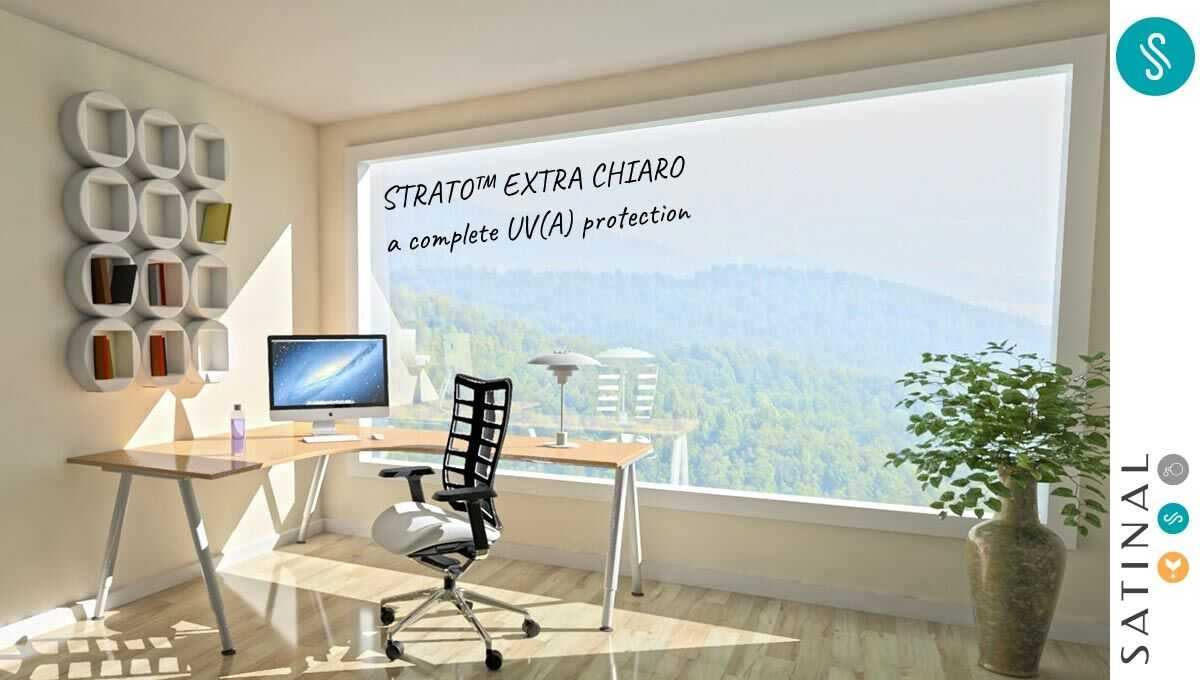
Yes, laminated glass generally provides better UV protection compared to regular glass. Its layered structure can block a significant amount of harmful ultraviolet rays, making it a smart choice for windows, doors, and skylights in sunny environments. Overall, laminated glass offers enhanced safety and shielding from UV radiation, making your space more comfortable and protected.
Laminated glass is an excellent option if you’re looking to improve UV protection without sacrificing natural light. Its unique construction not only enhances safety by holding shards together if broken but also acts as a barrier against most UV rays. For anyone considering glass options for their home or office, laminated glass can be a smarter, safer investment to keep UV rays at bay and protect your interior from fading and damage over time.
When it comes to UV protection, choosing the right glass can make a noticeable difference in safeguarding your space from harmful rays and reducing interior fading. Laminated glass, with its innovative layered design, offers superior UV blocking capabilities compared to standard glass. This makes it an ideal choice for those who want to enjoy sunlight without worrying about UV damage. Whether for residential or commercial use, laminated glass combines safety, durability, and UV protection into a single, effective solution.

Is Laminated Glass Better for UV Protection?
Understanding UV Rays and Glass
UV rays are part of the sunlight spectrum that reaches the Earth’s surface. These rays can cause damage to your skin and interior furnishings over time. Regular glass, such as standard window panes, allows most UV rays to pass through without much obstruction. This means that UV exposure indoors can still be significant even if you’re behind a window.
What Is Laminated Glass?
Laminated glass consists of two or more layers of glass bonded together with an interlayer, usually made of polyvinyl butyral (PVB). This interlayer holds the glass fragments in place if the glass breaks, making it safer. Laminated glass is commonly used in car windshields and building windows for added security and safety.
The Role of the Interlayer in UV Protection
The PVB interlayer in laminated glass plays a key role in UV protection. It acts as a barrier that absorbs a significant portion of UV rays passing through the glass. The amount of UV blocking depends on the thickness and composition of the interlayer, which can be customized during manufacturing.
How Does Laminated Glass Compare to Other Types?
- Standard Glass: Allows most UV rays to pass through, offering minimal protection.
- Tinted Glass: Reduces UV rays somewhat, but effectiveness varies based on tint color and density.
- Laminated Glass: Provides superior UV blocking due to the interlayer, with capabilities that can exceed other types.
Benefits of Using Laminated Glass for UV Protection
Enhanced UV Blocking
Laminated glass can block up to 99% of UV rays, protecting skin and furnishings. This makes it ideal for spaces where UV exposure needs to be minimized, such as art galleries or sunrooms.
Protects Interior Furnishings
UV rays can fade fabrics, carpets, and artworks over time. Laminated glass helps preserve the quality of your interior by reducing UV damage significantly.
Reduces Skin Damage and Health Risks
By blocking most UV rays, laminated glass lowers the risk of skin damage for those indoors. It creates a safer environment, especially in areas with high sun exposure.
Customizing Laminated Glass for Better UV Resistance
Manufacturers can add UV inhibitors or special coatings to the PVB interlayer to improve UV protection further. These enhancements make laminated glass even more effective against harmful rays.
UV Inhibitors and Coatings
Adding UV inhibitors during production increases the glass’s ability to block UV rays. Coatings can also be applied to the surface for additional protection and improved performance.
Choosing the Right Thickness
Thicker interlayers improve UV protection but may affect clarity and weight. The optimal thickness depends on the specific application and desired level of UV blocking.
Limitations of Laminated Glass in UV Protection
While laminated glass offers excellent UV protection, it is not perfect. Over many years, some UV protection properties may diminish, especially if the interlayer is exposed to harsh environmental conditions.
Additional Considerations When Selecting UV-Protection Glass
Cost
Laminated glass can be more expensive than standard options, but the long-term benefits often justify the initial investment.
Installation and Maintenance
Proper installation ensures maximum UV protection. Regular cleaning and maintenance keep the glass transparent and effective.
Environmental Impact
Manufacturers are developing eco-friendly laminated glass with recyclable interlayers, contributing to sustainability efforts.
Related Topics: Other UV Protective Measures
While laminated glass is highly effective, combining it with other solutions can provide even better UV protection. These include:
- Applying exterior or interior UV-blocking films
- Using specially coated window panes
- Installing sunshades or awnings to reduce direct sunlight
Summary of Key Points
| Feature | Standard Glass | Laminated Glass |
|---|---|---|
| UV Blocking | Minimal | Up to 99% |
| Safety | Breakage risk | Safer, holds fragments |
| Durability | Basic | Enhanced with UV inhibitors |
| Cost | Lower | Higher but cost-effective long-term |
Summary of Effectiveness
Overall, laminated glass provides **superior UV protection** compared to standard and tinted glass. Its ability to block almost all UV rays helps protect your health and preserve your interior. Properly crafted laminated glass can be a smart investment for homes, offices, and places needing maximum UV shielding.
What Type of Glass be Used in Your Home Window | Float | Low-E | Tempered | Laminated | Insulated
Frequently Asked Questions
How effective is laminated glass at blocking harmful UV rays?
Laminated glass significantly reduces UV transmission, often blocking up to 99% of UV rays. This protection depends on the type of interlayer used; polyvinyl butyral (PVB) interlayers naturally absorb UV radiation, preventing it from passing through the glass and reaching interior spaces. As a result, laminated glass provides a strong barrier against UV exposure, helping to protect furnishings and occupants from UV-related damage.
Can laminated glass be customized for enhanced UV protection?
Yes, manufacturers can incorporate special UV-filtering films or coatings into laminated glass to boost its UV protection properties. These modifications can increase the glass’s ability to block more UV rays than standard laminated options. Customizations are particularly useful in environments with high UV exposure or for applications requiring maximum UV filtration, such as museums or buildings with valuable artwork.
Does the thickness of laminated glass influence its UV protection capabilities?
While the base material of laminated glass offers inherent UV protection, increasing the thickness of the glass or the number of interlayers can enhance its overall barrier effect. Thicker laminated panels provide more layers of protection, reducing the amount of UV radiation that penetrates into interior spaces. However, the primary factor remains the type of interlayer used, as thicker glass alone may not significantly improve UV blocking unless combined with UV-absorbing materials.
Are there any limitations to UV protection provided by laminated glass?
Laminated glass is highly effective in blocking UV rays but may not eliminate all UV radiation entirely. Over time, exposure to sunlight can degrade certain interlayers, potentially reducing UV protection. To maintain maximum shielding, it’s essential to select high-quality laminated glass with UV-stable interlayers and consider regular inspections and replacements when necessary.
How does laminated glass compare to other UV protection methods?
Compared to standard glass, laminated glass provides superior UV protection, especially when customized with UV-absorbing layers. Unlike films or coatings that can peel or degrade over time, laminated glass offers a permanent solution integrated within the glass structure. This durability makes it an excellent choice for applications requiring long-term UV filtration, offering consistent protection without the need for frequent replacements.
Final Thoughts
Laminated glass offers superior UV protection by blocking harmful rays effectively. Its multiple layers absorb and deflect UV radiation, safeguarding interiors and skin. Unlike standard glass, laminated options enhance safety and durability as well.
In conclusion, laminated glass better for UV protection because it actively reduces UV penetration and shields occupants from potential damage. For those prioritizing safety and UV defense, choosing laminated glass proves to be a wise decision.

- How To Fix Laminated Windshield Chip Effectively - October 29, 2025
- How To Repair Laminated Glass Crack Effectively - October 29, 2025
- How To Clean Laminated Glass Properly For Sparkling Results - October 29, 2025