Can Cracked Windshield Shatter Risks Explained
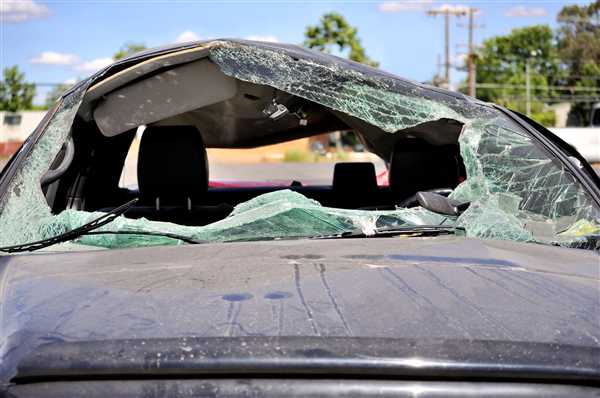
Yes, a cracked windshield can shatter, especially if the damage worsens or is subjected to sudden impacts or stress. It’s important to understand that cracks compromise the windshield’s strength and safety, increasing the risk of shattering under pressure.
A cracked windshield can indeed shatter, but whether it will depend on the size, location, and severity of the crack, as well as external factors like temperature and impact. If cracked, it’s crucial to address the damage quickly to prevent potential shattering and ensure safety on the road.
Cracked windshields are more vulnerable than intact glass, and under certain conditions, they can shatter completely, posing a serious safety hazard. The strength of a windshield is compromised once it is cracked, making it susceptible to shattering from even minor impacts or stress. Recognizing the signs of a crack and acting promptly can help prevent a full shattering, ensuring your safety and avoiding costly replacements.

Can Cracked Windshield Shatter? Exploring the Risks and Facts
Understanding the Nature of Windshield Cracks
Cracks in a windshield are common, especially after small impacts like stones hitting the glass. These cracks can vary in size, shape, and severity. While some cracks remain small and harmless, others can worsen over time. It’s important to understand what causes these cracks and how they develop.
Why Do Windshields Crack?
Cracks happen due to several factors. Extreme temperature changes, such as from hot days to cold nights, put stress on the glass. Impact from debris or accidents can also cause cracks. Additionally, manufacturing flaws or previous damage can weaken the glass structure.
Can a Cracked Windshield Shatter?
A common concern is whether a crack will lead to the windshield shattering completely. The answer depends on multiple factors, including the size and location of the crack, the type of glass, and external influences. Not all cracks lead to a shatter, but some do pose risks of sudden failure.
How Do Cracks Lead to Shattering?
Cracks extend the stress points on the windshield. When the glass experiences vibrations, sudden impacts, or temperature shifts, these stress points can cause the glass to break apart. Larger, deep, or spread cracks are more likely to result in shattering under pressure.
Types of Windshield Cracks and Their Risks
There are different kinds of cracks, each with varying risks of shattering. These include:
- Stress cracks: Thin cracks caused by temperature differences, which can spread over time.
- Chip cracks: Small chips that can develop into larger cracks if not repaired quickly.
- Hydrostatic cracks: Large cracks resulting from an impact or pressure change, with a higher chance of shattering.
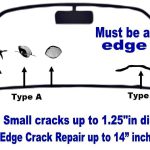
- Edge cracks: Cracks near the edges of the windshield, where stress concentrations are higher.
Factors That Influence Whether a Crack Causes Shattering
Several elements determine the likelihood of a cracked windshield shattering:
Size of the Crack
Cracks smaller than a dollar bill are less likely to shatter than larger ones. However, even small cracks can weaken the glass.
Location of the Crack
Cracks near the edges or critical support areas of the windshield are more prone to cause shattering.
Type of Glass Used
Automotive windshields are made of laminated safety glass, designed to stay in place when broken. But, in some cases, the glass can still shatter if severely compromised.
External Conditions
Temperature fluctuations, vibrations from driving, and impacts from debris can accelerate crack growth and shattering risk.
How External Factors Affect Windshield Integrity
External factors play a significant role in whether a crack leads to shattering. For example:
- Temperature Changes: Rapid shifts from hot to cold can cause the glass to expand or contract, stressing the crack.
- Vibrations and Bumps: Rough roads or high-speed driving increase stress on the glass and cracks.
- Impacts: Additional hits or debris can exacerbate existing cracks and cause shattering.
Can a Small Crack Turn into a Shattered Windshield?
Yes, small cracks can grow over time, especially if not repaired promptly. If left untreated, they can compromise the entire windshield, leading to possible shattering. The growth of the crack depends on environmental factors and mechanical stress.
Signs That a Cracked Windshield Is at Risk of Shattering
Certain signs indicate the windshield may shatter soon:
- Cracks spreading rapidly
- Cracks at the edge of the glass
- Increased vibration or wobbling when driving
- Visible stress points or multiple cracks
Preventive Measures to Avoid Shattering
To minimize risks, consider these precautions:
- Repair small cracks as soon as possible
- Avoid sudden temperature changes, such as pouring hot water on icy glass
- Drive carefully over rough roads to reduce vibrations
- Use sunshades to block direct sunlight and regulate temperature
Repairing vs. Replacing a Cracked Windshield
Deciding whether to repair or replace depends on the crack’s severity. Small, isolated cracks are usually repairable, preserving the windshield’s integrity. Larger or multiple cracks often require full replacement.
Repair Process
Professionals inject resin into the crack to stop its growth and restore strength. This process is quick and cost-effective.
Replacement Process
A complete windshield is removed and replaced with a new one. It ensures safety but is more expensive and time-consuming.
Safety Implications of a Shattered Windshield
A shattering windshield poses critical safety risks. It can impair driver visibility and cause injuries from flying glass. Proper maintenance and timely repair are essential for road safety.
Legal and Insurance Considerations
Many states have regulations about windshield damage. Insurance often covers repairs and replacements, making it easier to handle cracked windshields. Always check policy details to understand coverage options.
Summary of Key Points
Cracks can indeed lead to shattering, especially when they expand or are exposed to external stresses. The risk depends on several factors, including crack size, location, and environmental influences. Immediate repair or replacement is advisable to maintain safety and avoid costly damages.
While not all cracked windshields will shatter, the potential for failure exists. Regular inspections, timely repairs, and cautious driving can help prevent a small crack from turning into a dangerous shatter. Remember, safety always comes first when dealing with windshield damage.

Similar Posts