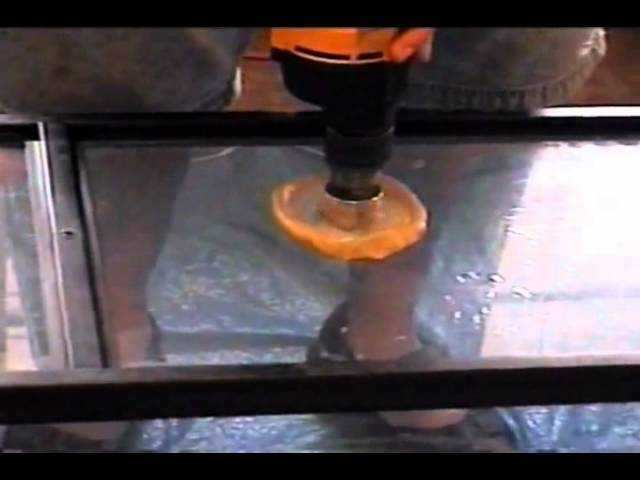
Yes, laminated glass can be drilled, but it requires careful handling and proper tools to avoid damage. Drilling laminated glass is possible, but it’s essential to follow specific procedures to ensure safety and maintain the integrity of the glass.
Laminated glass can indeed be drilled, making it versatile for various installation needs, such as adding locks or handles. However, because of its layered structure and the use of polyvinyl butyral (PVB) interlayers, drilling must be done with precision and patience. Using the right equipment, like a specialized glass drill bit and applying proper cooling techniques, is crucial. Without proper technique, the glass can crack or delaminate, so understanding the process beforehand can save you time, money, and potential hazards. If you’re considering drilling laminated glass, it’s best to follow expert advice or seek professional help to get clean, safe results.

Can Laminated Glass Be Drilled? A Complete Guide
Understanding Laminated Glass
Laminated glass is made by bonding two or more sheets of glass together with a layer of polyvinyl butyral (PVB) or other resin. This layer holds the glass sheets together even if they crack or break, making it safer and more durable. It is commonly used for windows, doors, car windshields, and various safety applications.
Is Drilling Laminated Glass Possible?
Yes, laminated glass can be drilled, but it requires special techniques and tools. Drilling allows you to create holes for installing hardware, handles, or other fixtures. However, because laminated glass contains a resin layer, drilling must be done with care to avoid damaging the structure or compromising safety.
Precautions Before Drilling Laminated Glass
Before you start drilling, it is essential to take some precautions. First, verify the type and thickness of your laminated glass. Second, always wear safety gear such as goggles and gloves. Third, mark precisely where you want to drill to prevent accidental cracks or chips.
Tools Needed for Drilling Laminated Glass
Drilling laminated glass needs specific tools:
- High-quality drill bits designed for glass — typically carbide or diamond-tipped
- Masking tape to mark the drilling spot and prevent slipping
- Cooling agents like water or running water to reduce heat buildup
- Slow drilling speed to prevent excessive stress on the glass
Step-by-Step Guide to Drilling Laminated Glass
This process involves careful preparation and steady technique. Follow these steps for the best results:
- Clean the glass surface thoroughly to remove dust and debris.
- Use masking tape over the drilling spot to prevent the drill from slipping.
- Mark the exact point where you want the hole with a marker or tape.
- Set your drill to a slow speed — avoid high RPMs, which can cause cracking.
- Start drilling gently with light pressure, keeping the drill straight.
- Apply water or coolant frequently to keep the drill bit cool and reduce heat build-up.
- Pause periodically to check progress and clear debris from the hole.
- Complete the hole carefully, avoiding applying excessive force at any stage.
Common Challenges When Drilling Laminated Glass
Drilling laminated glass can present several challenges:
Cracking or Chipping
Applying too much pressure or drilling at too high a speed can cause cracks or chips. Using the right drill bits and slow operation minimizes this risk.
Heat Buildup
Excessive heat from friction can damage the resin layer. Continuous cooling with water helps prevent this issue.
Uneven Holes or Burrs
Poor technique or dull drill bits can lead to uneven edges or burrs. Always use sharp, appropriate bits and steady pressure.
Best Practices for Drilling Laminated Glass
Adhering to best practices helps protect the glass and ensure precise results:
- Use a drill with variable speed control for better precision.
- Start with a small pilot hole before enlarging it to the final size.
- Maintain a steady hand and do not force the drill.
- Work in a well-lit, stable environment to ensure accuracy.
- Regularly check the progress and condition of your drill bits.
Alternatives to Drilling Laminated Glass
If drilling laminated glass seems risky, consider alternatives:
- Using adhesive fixtures or anchors that do not require holes
- Applying suction cups or clamps for temporary fixtures
- Consulting a professional for custom-cut or pre-drilled glass solutions
Professional vs. DIY Drilling
While it is possible to drill laminated glass at home, professionals have specialized equipment and experience. They can ensure a cleaner, more precise hole with less risk of damage. DIY drilling is feasible but should be approached with caution, proper tools, and safety measures.
Cost and Time Considerations
Drilling laminated glass can be time-consuming and sometimes costly, especially if professional help is needed. The process involves patience, the right tools, and safety precautions. Investing in quality drill bits and cooling agents results in better, safer outcomes.
Summary of Key Points
- Laminated glass can be drilled but requires special tools and techniques.
- Safety precautions are critical to avoid cracking or breaking the glass.
- Use high-quality, diamond or carbide drill bits, and cool the area with water.
- Drilling should be slow and steady, with minimal pressure.
- For complex or large holes, professional help is recommended.
Additional Related Topics
Choosing the Right Laminated Glass Thickness for Drilling
Different thicknesses react differently to drilling, with thicker glass requiring more careful handling and potentially different drill bits.
Enhancing Safety When Handling Laminated Glass
Always wear safety gear and work in a stable environment to prevent accidents or damage.
Maintenance and Care for Laminated Glass
Proper cleaning and handling prolong the lifespan and appearance of the glass, especially after it has been drilled.
Environmental Factors and Laminated Glass Durability
Exposure to extreme weather or UV rays can affect laminated glass, so consider UV-resistant options for outdoor applications.
Future Trends in Laminated Glass Technology
Innovations include clearer resins, stronger bonds, and easier customization — making drilling even more accessible and less risky.
This comprehensive overview highlights that drilling laminated glass is entirely feasible but must be approached with the right tools, technique, and precautions. Proper handling ensures your project will be successful while maintaining the safety and integrity of the glass.
Drill a HOLE in GLASS in 2 Minutes with 6 Easy Steps – Step by Step and All the Tools You Need
Frequently Asked Questions
Is it possible to drill holes in laminated glass without damaging it?
Drilling into laminated glass requires careful handling to prevent cracking or delamination. Use a high-quality, carbide-tipped drill bit designed for glass and locate the panel’s internal layers to avoid damaging the polyvinyl butyral (PVB) interlayer. Applying gentle pressure and keeping the area lubricated with water or a specialized drilling coolant helps in achieving a clean hole. It’s advisable to practice on a scrap piece beforehand to ensure precision.
What tools and techniques work best for drilling laminated glass?
A carbide-tipped drill bit is essential for successfully drilling laminated glass. Start with a low drill speed to minimize heat and stress on the glass. Use masking tape over the drilling site to prevent slipping and to keep the drill bit stable. Regularly spray water or a cooling lubricant during drilling to reduce heat buildup. Applying steady, gentle pressure without forcing the drill will help maintain a clean cut and prevent cracks.
Are there any safety precautions to consider when drilling laminated glass?
Yes, when drilling into laminated glass, always wear safety goggles and gloves to protect against glass shards or debris. Secure the glass firmly to avoid any movement during drilling. Ensure the work area is well-ventilated and free of obstructions. It’s also wise to consult with a professional or refer to manufacturer guidelines if you’re unsure about the process, as improper drilling can compromise the integrity of the glass.
Final Thoughts
Laminated glass can be drilled, but it requires careful planning and proper techniques. It is essential to use the right tools, such as carbide or diamond drill bits, to avoid cracking or damaging the glass. Additionally, applying water or a cooling lubricant helps manage heat and prevents fractures.
Overall, drilling laminated glass is feasible with proper safety precautions and precision.
can laminated glass be drilled’ is a common question, and the answer is yes, with caution. Following the correct steps ensures a clean, safe, and effective drilling process.

- How To Fix Laminated Windshield Chip Effectively - October 29, 2025
- How To Repair Laminated Glass Crack Effectively - October 29, 2025
- How To Clean Laminated Glass Properly For Sparkling Results - October 29, 2025