Can Laminated Glass Break And What Are Its Risks
Yes, laminated glass can break, but it behaves differently from regular glass. When shattered, laminated glass tends to hold together because of the plastic interlayer, making it less likely to create dangerous shards. This makes it a safer option for windows in homes and vehicles.
Laminated glass can indeed break under enough force or stress, but its unique construction helps prevent complete shattering and reduces the risk of injury. It’s designed to break in a way that retains its integrity longer than standard glass, providing extra safety and security.
If you’re wondering whether laminated glass is fragile or durable, the answer is that it’s resilient but not indestructible. It’s engineered to withstand impacts better than ordinary glass, though it can still be damaged under significant force. Understanding how it behaves can help you make informed decisions about its use and maintenance.

Can Laminated Glass Break? Exploring Its Strength and Vulnerabilities
Understanding What Laminated Glass Is
Laminated glass is a special type of safety glass made by bonding two or more layers of glass with a durable plastic interlayer, usually polyvinyl butyral (PVB). This layer holds the glass together if it breaks, preventing shards from flying around. Many buildings, cars, and security applications use laminated glass because of its safety features.
Can Laminated Glass Break Under Stress?
Yes, laminated glass can break when subjected to enough force. While it is designed to resist damage, it isn’t completely unbreakable. Heavy impacts, such as a baseball or a falling object, can cause the glass to crack or shatter. The plastic interlayer holds the broken pieces together, but does not make the glass entirely indestructible.
What Causes Laminated Glass to Break?
Various factors can lead to laminated glass breaking, including:
- Excessive impact force
- Thermal stress from sudden temperature changes
- Structural flaws or manufacturing defects
- Environmental deterioration over time
Each of these factors puts stress on the glass and the interlayer, sometimes leading to breakage.
How Does Impact Affect Laminated Glass?
Impact is one of the most common reasons for laminated glass to break. A strong blow from an object like a hammer, rock, or ball can cause the glass to crack. The damage usually depends on the force applied and the point of contact.
Impact Points and Breakage Patterns
Impacts tend to create spiderweb or star-shaped cracks that radiate outward from the point of contact. Sometimes, the glass sustains small chips, but the interlayer keeps the pieces bonded. In severe cases, the glass may shatter completely.
Can Thermal Changes Cause Laminated Glass to Break?
Sudden or extreme temperature changes can put stress on laminated glass. For example, pouring hot water on cold glass or exposure to direct sunlight on a chilly day can cause the glass to expand or contract unevenly. This thermal expansion may lead to cracking over time, especially if the glass isn’t properly installed or supported.
Longevity and Aging of Laminated Glass
Over time, laminated glass can weaken due to environmental factors like UV rays, moisture, and pollutants. These elements may degrade the plastic interlayer, making it less able to hold the glass together during breakage. Aging can also increase the risk of breakage in the long term.
Manufacturing Defects and Their Role in Breakage
Sometimes, laminated glass breaks because of flaws that occur during manufacturing. Defects like air bubbles, uneven bonding, or impurities can weaken the glass. Such defects may cause the glass to crack more easily under stress or impact.
Is Laminated Glass More Resistant Than Other Types?
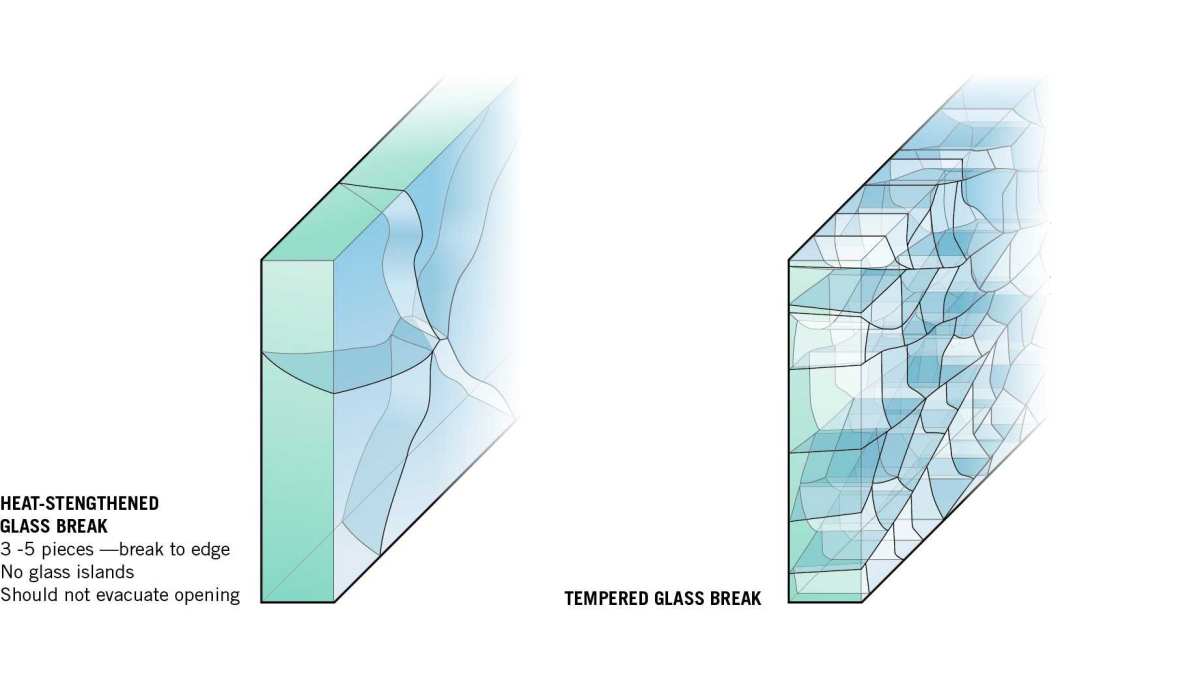
Compared to tempered glass, laminated glass generally offers better resistance against shattering. While tempered glass breaks into tiny, less dangerous pieces, laminated glass tends to stay intact because the plastic layer holds the shards together. However, this doesn’t mean laminated glass is completely unbreakable.
Breakage Patterns and Safety Aspects
When laminated glass breaks, the plastic layer prevents the glass from falling apart. This safety feature makes it ideal for environments requiring protection, such as car windshields and storefront windows. It minimizes the risk of injury caused by flying glass fragments.
Can Laminated Glass Be Repaired or Replaced?
If laminated glass sustains minor cracks, sometimes it can be repaired using special adhesives or patching techniques. However, significant damage usually requires full replacement to maintain safety and structural integrity. It’s important to consult professionals for proper assessment and repair options.
Protecting Laminated Glass from Breakage
To reduce the chance of breakage, consider:
- Regular inspections for cracks or damage
- Proper installation to avoid undue stress
- Using protective films or coatings for extra strength
- Avoiding impacts in vulnerable areas
These steps can help extend the lifespan and safety of laminated glass.
Related Topics: Other Types of Safety Glass
Apart from laminated glass, other options include:
- Tempered glass
- Wire-reinforced glass
- Insulated glass units (IGUs)
Each type has unique advantages and vulnerabilities, influencing their breakage behavior.
Summary of Key Points
Laminated glass, while durable, can break under sufficient impact or stress. Its primary safety benefit is that broken glass remains bonded, reducing injury risk. Factors like impact force, thermal stress, manufacturing flaws, and aging influence its vulnerability to breaking.
While laminated glass is built to resist shattering and provide safety, it is not completely unbreakable. Understanding what causes it to break helps in choosing the right glass for each application and maintaining its integrity over time. Proper handling, installation, and regular checks ensure that laminated glass performs well and keeps everyone safe.
BREAKING: Putting Tesla's New Laminated Glass to the Test
Frequently Asked Questions
How does laminated glass behave when subjected to impact?
Laminated glass tends to absorb impact better than traditional glass due to its layered construction. When struck, the outer layer may crack or chip, but the inner layer holds the glass together, preventing shards from dispersing. This ability helps contain broken pieces, reducing the risk of injury and further damage.
Can extreme temperature changes cause laminated glass to break?
Rapid temperature fluctuations can stress laminated glass, especially if it isn’t designed to withstand such conditions. While laminated glass generally performs well under normal temperature variations, severe or sudden shifts may cause the layers to expand or contract unevenly, potentially leading to cracks or breakage over time.

Similar Posts