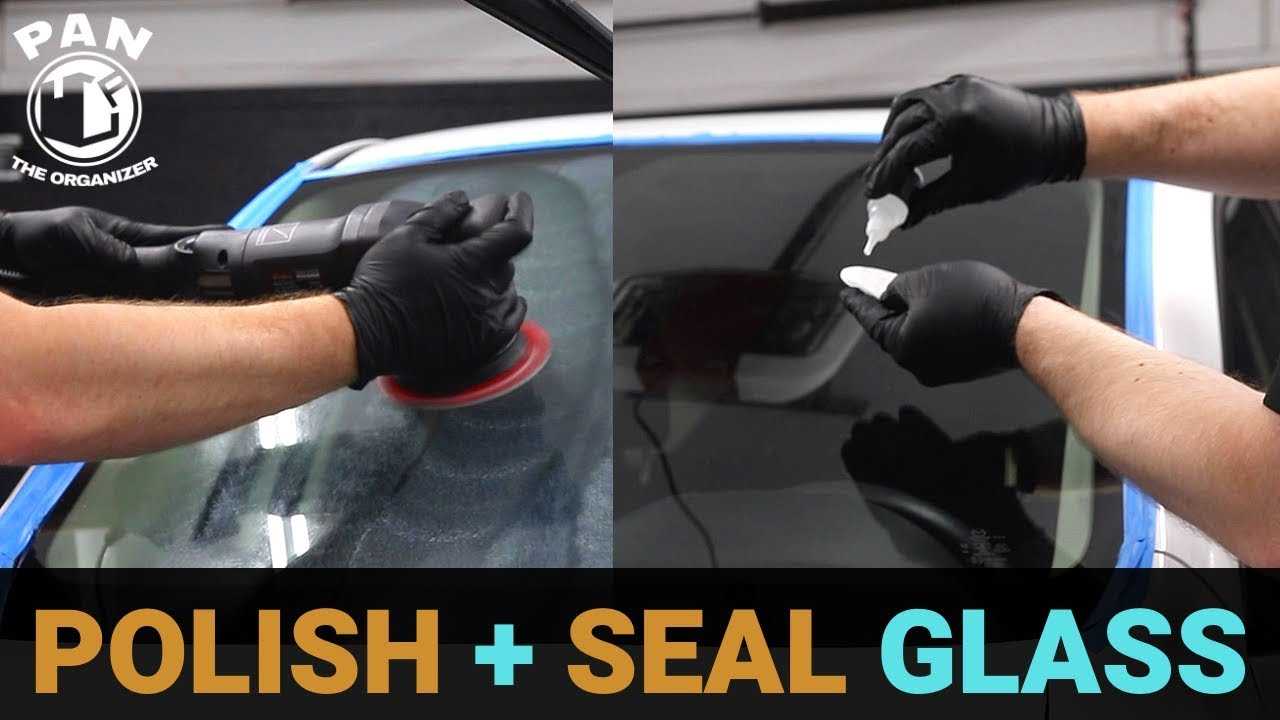
Yes, you can use car polish on glass, but it’s not always the best option and should be done with caution. Car polish is primarily formulated for paint, not glass, so it can sometimes cause streaks or haziness if applied incorrectly. However, some DIY enthusiasts use certain polishes to remove minor scratches or smudges on their windows or windshields. Before trying this, it’s essential to pick the right product and use it carefully to avoid damaging your glass.
In short, while car polish can sometimes improve glass clarity temporarily, it’s generally better to use products specifically designed for glass cleaning. Improper use might lead to issues like residue buildup or reduced visibility. Knowing the right approach ensures your windows stay clear and safe.
If you’re curious whether you can use car polish on glass, the quick answer is: it’s possible but usually not recommended unless you’re targeting specific minor scratches and using the right type of polish carefully. For best results, opt for dedicated glass cleaners and scratch removers designed specifically for automotive glass. Using the wrong product might do more harm than good, so it’s vital to understand the differences and proceed with caution.

Can You Use Car Polish on Glass? A Detailed Guide
Understanding What Car Polish Is
Car polish is a product specially designed to improve the appearance of your vehicle’s paint. It contains abrasive particles that help remove minor scratches, oxidation, and dullness from the car’s surface. While primarily made for paintwork, many wonder if it can be used on other surfaces like glass.
Differences Between Car Polish and Glass Cleaners
Before considering using car polish on glass, it’s important to know what sets these products apart. Car polish has a thicker consistency with abrasive ingredients meant to smooth paint surfaces. Glass cleaners, on the other hand, are formulated to remove dirt, grease, and fingerprints without scratching the glass.
Can Car Polish Be Used on Glass? An Overview
The short answer is that **car polish is not intended for glass surfaces**. Using it on glass can lead to unwanted scratches or streaks. However, some car polishes contain mild abrasives that might remove surface grime, but this is not their primary purpose.
Potential Risks of Using Car Polish on Glass
- Scratches and Scrapes: The abrasive particles in car polish can scratch the glass surface, especially if applied too aggressively.
- Streaks and Residue: Car polish may leave behind a film or streaks that are hard to remove from glass.
- Reduced Visibility: Residue from improper polishing can fog up or distort your view through windshields and windows.
When Might It Be Appropriate to Use Car Polish on Glass
Some car enthusiasts suggest that very mild polishing might be used on glass in specific cases. For example, if you have stubborn, light scratches on a glass headlight lens, a gentle polish designed for headlights could help. But even then, it’s best to use a product made explicitly for that purpose.
Best Alternatives to Car Polish for Glass Surfaces
Instead of trying to use car polish, opt for products formulated for glass cleaning and polishing. These include:
- Glass Cleaners: Designed to remove dirt and grime without scratching.
- Glass Polishing Compounds: Specifically made for removing minor scratches and restoring clarity.
- Microfiber Cloths: Use soft cloths to buff glass surfaces safely.
Proper Techniques for Cleaning and Polishing Glass
To maintain clear and streak-free glass, follow these steps:
- Start by removing loose dirt and dust with a soft brush or cloth.
- Apply a dedicated glass cleaner or polish evenly across the surface.
3>Use a clean microfiber cloth to wipe in circular motions, ensuring no residue is left behind.
4>Polish the surface with a dry, soft cloth for a streak-free finish.
Tips for Preventing Glass Damage During Cleaning
- Never use abrasive pads or harsh chemicals not designed for glass.
- Avoid applying excessive pressure; gentle cleaning is always better.
- Wash glass surfaces regularly to prevent build-up of dirt and grime.
- Choose the right products for each cleaning task—paint polish for paint, glass cleaner for windows.
Summary of Do’s and Don’ts
| Do’s | Don’ts |
|---|---|
| Use products specifically designed for glass | Use car polish on windshields or windows |
| Regularly clean your glass surfaces with microfiber cloths | Use abrasive materials on glass surfaces |
| Follow manufacturer instructions for any cleaning product | Forget to test a small area first |
Related Topics to Explore
- Best Glass Cleaners for Cars: Find products that effectively clean without scratching.
- How to Remove Stubborn Stains from Car Windows: Tips and tricks for difficult grime.
- Headlight Restoration Tips: Using appropriate compounds for clear headlights.
Why Using the Correct Products Matters
Using the right cleaning and polishing products ensures your vehicle stays in top condition. It prevents damage and prolongs the life of your glass and paint surfaces. Remember, products formulated for specific surfaces will always give better results and keep your car looking its best.
While it might be tempting to use car polish on glass for convenience, it is generally not recommended. The risks of scratching or streaking far outweigh any potential benefits. Instead, stick to dedicated glass cleaning and polishing products designed for your car’s windows and windshields for safe, effective results.
Glass Polishing 💎
Frequently Asked Questions
Is it safe to apply car polish directly on glass surfaces?
Applying car polish directly on glass can be risky because most polishes are designed for paint and plastic surfaces. Using polish on glass may cause smudges or residues that can impair visibility. It’s better to use specialized glass cleaners or polishing products formulated specifically for glass to ensure safety and clarity.
Can car polish improve the appearance of foggy or stained glass?
Car polish generally does not work effectively on foggy or stained glass. These issues often require specific glass restoration products or cleaning methods. Using the wrong product can smear or worsen the appearance, so opt for dedicated glass cleaning solutions to restore clarity.
Will using car polish on glass cause scratches or damage?
There is a risk of scratching or damaging glass if you use car polish improperly. Many polishes contain abrasive agents that can scratch the surface if not applied carefully. Always test a small area first, and use appropriate tools and techniques if you choose to polish glass.
What are better alternatives for cleaning and restoring glass on vehicles?
Use products designed specifically for glass, such as glass cleaner, polish, or restorative treatments. These products are formulated to remove dirt, streaks, and minor blemishes without causing damage. Regular cleaning with proper glass products helps maintain clarity and safety.
How should I properly clean glass without using car polish?
Start by wiping the glass with a microfiber cloth to remove loose dirt. Then, apply a dedicated glass cleaner and wipe with a clean cloth in a circular motion. For stubborn stains or streaks, use a glass-specific polish or restorative treatment following the manufacturer’s instructions for best results.
Final Thoughts
Using car polish on glass is not recommended. Car polish is formulated specifically for paint surfaces and may contain abrasives that can scratch glass. It might also leave a residue that hampers clarity. Always choose products designed for glass to ensure a safe and effective clean. Can you use car polish on glass? No, it is better to opt for glass cleaner to keep your windows clear and shiny.

- How To Fix Laminated Windshield Chip Effectively - October 29, 2025
- How To Repair Laminated Glass Crack Effectively - October 29, 2025
- How To Clean Laminated Glass Properly For Sparkling Results - October 29, 2025