How To Choose Laminated Glass Thickness For Your Project
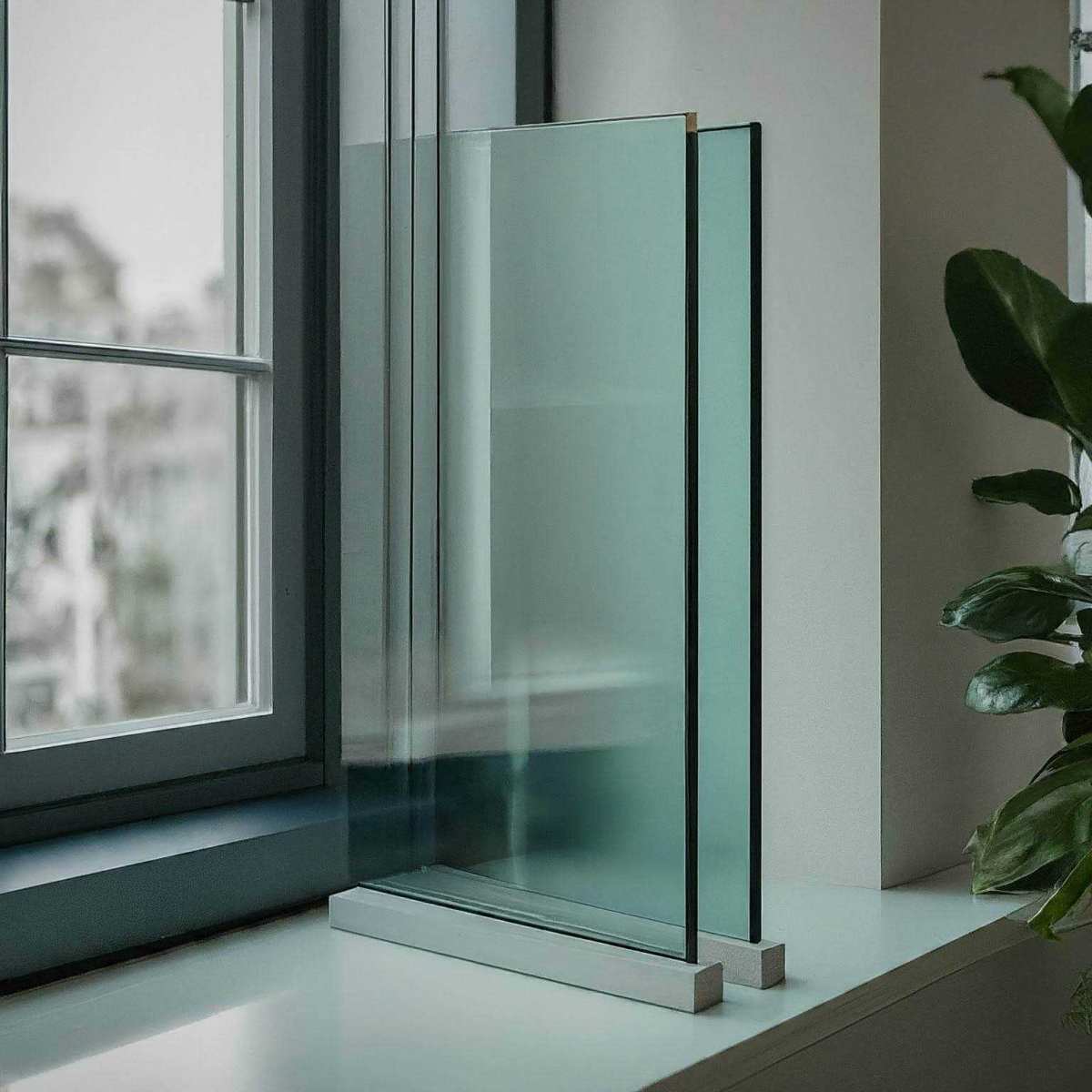
To select the perfect laminated glass thickness, start by assessing its purpose, load requirements, and safety standards. A thicker glass offers greater strength and security, but too much can be unnecessary and costly. Consulting with professionals or adhering to industry guidelines ensures the right choice for your project.
Choosing the right laminated glass thickness is crucial for both safety and functionality, whether you’re installing it in windows, doors, or skylights. The process may seem complex, but understanding your specific needs—like whether the glass needs to withstand impacts, resist breakage, or provide sound insulation—makes it much easier. Factors such as the location, architectural design, and safety codes all influence the optimal thickness. Remember, thicker glass isn’t always better if it exceeds the structural requirements, so balancing safety, aesthetics, and budget is key. Let’s explore how to determine the best laminated glass thickness to meet your project’s unique demands.

How to Choose Laminated Glass Thickness
Choosing the right thickness for laminated glass is essential for safety, durability, and functionality. Different applications require different glass thicknesses to meet safety standards and performance needs. Understanding these factors helps you make an informed decision that best suits your project.
Understanding Laminated Glass and Its Components
Laminated glass consists of two or more glass layers bonded together with durable interlayers, usually made of polyvinyl butyral (PVB). These interlayers hold the glass together even when broken, providing safety benefits. The thickness of laminated glass is determined by the combined thickness of the glass layers and the interlayer.
Why Glass Thickness Matters
Glass thickness impacts the strength, safety, and acoustic properties of the laminated glass. Thicker glass can withstand higher loads and resist impacts better, which is critical for security and safety applications. Thinner glass, meanwhile, offers lighter weight and often better optical clarity.
Factors Influencing Thickness Selection
Choosing the correct laminated glass thickness depends on several factors:
- Load requirements: How much weight or force the glass must bear
- Impact resistance: The level of impact the glass should withstand
- Safety standards: Building codes and safety regulations
- Location of installation: Indoor or outdoor use, exposure to elements
- Design and aesthetic needs: Transparency, light transmission, and overall appearance
Application-Based Thickness Recommendations
Different uses of laminated glass require different thicknesses to optimize performance. Here are some typical applications and their recommended thickness ranges:
Residential Windows and Doors
For standard residential windows and doors, laminated glass often ranges from 6 mm to 12 mm overall thickness. Thinner options like 6 mm provide lightness and clarity, while thicker options add enhanced security.
Commercial and Storefront Glass
In commercial settings, the glass needs to handle higher impacts and loads. Thickness usually ranges from 8 mm to 15 mm. For added safety and durability, 10 mm is a common choice.
Safety and Security Glass
For security applications, such as bank teller windows or high-risk areas, thicker laminated glass is necessary. Thicknesses from 12 mm to 25 mm provide maximum impact resistance and safety.
Architectural Facades and Skylights
Architectural features require a balance between strength and aesthetic appeal. Laminated glass for facades often ranges from 10 mm to 20 mm, depending on size and load requirements.
Standards and Regulations for Laminated Glass Thickness
Building codes specify minimum requirements for laminated glass based on its application. For example, the American National Standards Institute (ANSI) and the European Norm (EN) set standards for safety glass. Always verify with local regulations before selecting thickness.
Calculating the Thickness Needed for Your Project
To determine the proper laminated glass thickness, consider these steps:
- Assess the impact and load requirements based on the location and use
- Review relevant safety standards and codes applicable to your project
- Consult with manufacturers or specialists to match thickness with performance needs
- Compare options considering weight, cost, and optical clarity
For complex projects, structural calculations or simulations help specify the precise thickness needed.
Impact Resistance and Safety Testing
Impact resistance levels are tested through standards like the UL 752 for impact safety. Laminated glass designed for high-impact areas often undergoes tests simulating forced entry or accidents. Choose glass with impact ratings that match or exceed your safety expectations.
Cost Considerations and Budgeting
Thicker laminated glass tends to be more expensive due to increased material and manufacturing costs. However, investing in the right thickness enhances safety and longevity, potentially reducing future repair costs. Balance your safety needs with your budget constraints.
Optical Clarity and Thickness Trade-offs
Thicker glass can sometimes result in slight distortions or reduced optical clarity. For applications demanding high transparency, thinner laminated glass may be preferred. Consider coatings or specialized interlayers to optimize clarity when selecting thickness.
Custom vs. Standard Thickness Options
Standard laminated glass thicknesses are widely available, but custom thicknesses can be manufactured for unique project needs. Custom solutions allow precise control over impact resistance, safety features, and visual properties.
Additional Tips for Choosing the Right Thickness
- Always consult with a structural engineer or glass specialist for complex projects
- Review safety and building codes specific to your region
- Request samples and test to evaluate optical properties and impact resistance
- Factor in the weight of the glass to ensure proper support structures
Related Topics to Consider
Maintenance and Durability
Regular cleaning and inspections can extend the lifespan of laminated glass, regardless of thickness. Thinner glass may be more susceptible to scratches, so consider protective coatings if needed.
Heat and UV Resistance
Thicker laminated glass can provide better insulation and UV protection. Some interlayers are designed to block harmful rays, making thickness choices important for energy efficiency.
Environmental and Climate Factors
In areas prone to extreme weather, thicker laminated glass offers better resistance against wind, hail, and other environmental stresses. Choose thicknesses based on climate conditions for enhanced safety.
Summary
Choosing laminated glass thickness involves balancing safety, performance, aesthetics, and budget. Evaluating impact requirements, safety standards, and application specifics helps determine the optimal thickness. Always work with qualified professionals to ensure your choice meets all safety and building regulations and provides long-lasting performance.
What Type of Glass be Used in Your Home Window | Float | Low-E | Tempered | Laminated | Insulated
Frequently Asked Questions
What factors should I consider when selecting the appropriate thickness of laminated glass for my project?
When choosing laminated glass thickness, evaluate the intended use of the glass, the size of the panels, and the safety requirements. Larger or more exposed panels need thicker glass to support loads and resist impacts. Also, consider the environment, such as exposure to wind, seismic activity, or potential impacts, which influence the required thickness. Consulting structural guidelines and standards ensures you select a thickness that offers both safety and durability.

Similar Posts