What Is Better Car Wax Or Polish For Your Vehicle
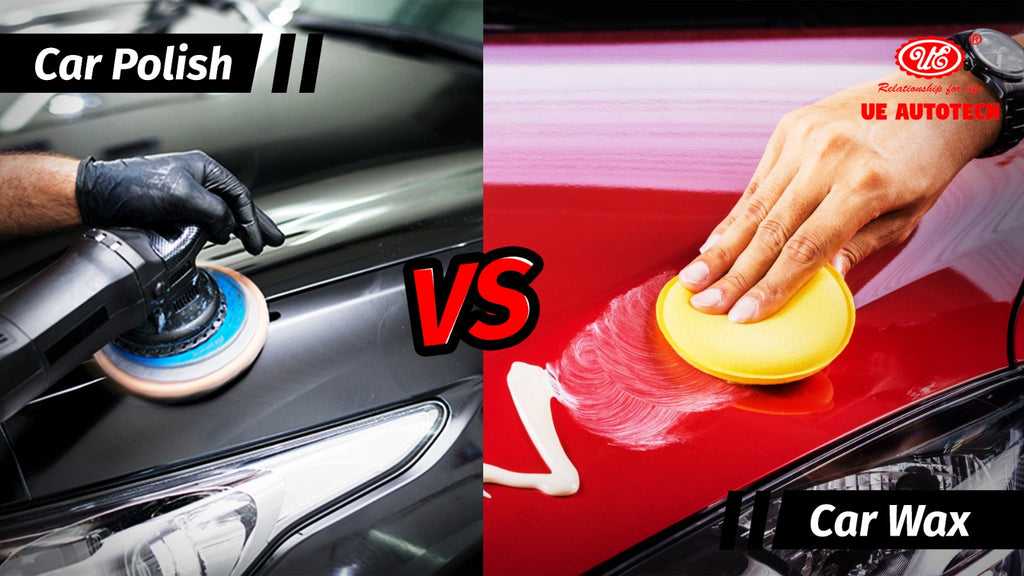
If you’re trying to decide whether to wax or polish your car, the quick answer is that both serve different purposes: polishing enhances the shine and smoothness, while waxing provides a protective layer. For a truly brilliant and protected finish, using both in tandem is ideal. However, if you’re short on time and want a quick shine, polishing might be enough; for long-term protection, wax is the way to go.
Polishing helps remove minor scratches and restores the car’s gloss, giving it a fresh, shiny appearance. Waxing, on the other hand, forms a barrier that shields your car’s paint from dirt, UV rays, and contaminants. Choosing between them depends on your car’s condition and your desired results, but combining both can give you the perfect, gleaming, protected vehicle.

What Is Better Car Wax or Polish?
Understanding the Basic Differences
Car wax and polish are both important for maintaining the appearance of your vehicle, but they serve different purposes. Wax is primarily used to protect the car’s paint, while polish helps improve the car’s shine and smoothness. Knowing these differences helps you decide which product to use and when.
What Is Car Wax?
Car wax is a substance that creates a protective layer over the paint. It is usually made from natural ingredients like carnauba wax or synthetic compounds. Wax provides a glossy finish and shields your car from environmental elements such as UV rays, dirt, and water.
Types of Car Wax
- Natural Wax: Made from beeswax or carnauba wax, offering a deep, warm shine.
- Synthetic Wax: Contains polymers and chemicals that last longer and offer enhanced protection.
- Spray Wax: Easy to apply and ideal for quick touch-ups without the need for buffing.
What Is Car Polish?
Car polish is a product designed to remove surface imperfections like scratches, oxidation, and swirl marks. It works by smoothing the surface and enhancing the clarity of your car’s paint. Polish typically contains abrasive compounds that gently remove a thin layer of paint to reveal a cleaner, shinier surface.
Types of Car Polish
- Cream Polish: Gentle and easy to apply, suitable for minor imperfections.
- Liquid Polish: Easy to spread and provides a high-gloss finish.
- Paste Polish: Thicker and more abrasive, good for deep cleaning and correction.
Which Is Better for Protecting Your Car?
Wax generally offers superior protection since it forms a barrier that guards against UV damage, dirt, and water. If your goal is to preserve your car’s paint and keep it looking shiny longer, waxing is usually the better choice.
Protection Duration and Ease of Use
Wax can last from a few weeks to several months depending on the type and application. It requires regular reapplication for ongoing protection. Wax is straightforward to use but may need buffing to achieve the best shine.
Which Provides a Better Shine?
Polish is better at enhancing gloss and removing imperfections, giving your car a smooth, mirror-like finish. If your paint has swirl marks or oxidation, polishing will make a noticeable difference.
Impact on Paint Condition
Polishing can improve the appearance of dull or damaged paint by removing surface flaws. However, over-polishing may thin out the paint, so it should be done carefully. Waxing after polishing seals the shine and adds protection.
When to Use Wax and When to Polish
For a new or well-maintained car, regular waxing keeps the finish protected and shiny. If your car has scratches or oxidized paint, polishing first helps restore surface quality before applying wax.
Maintenance Routine
- Start with washing the car to remove dirt.
- Use polish to correct surface imperfections if needed.
- Apply wax to seal the paint and provide protection.
Choosing the Right Product for Your Needs
Decide based on your car’s condition and your goals. For example, if you want maximum protection, waxing is the way to go. To enhance shine and correct minor damage, polishing should come first.
Factors to Consider
- Condition of your vehicle’s paint
- Frequency of use
- Environmental exposure
- Ease of application and maintenance
Combining Wax and Polish for Best Results
Using both products at different stages provides a comprehensive approach. Polish to smooth and clean the surface, then wax to shield it from elements. This combination keeps your vehicle looking its best over time.
Step-by-Step Maintenance
- Wash your car thoroughly.
- Apply polish to remove surface imperfections.
- Buff the polish to a shine.
- Apply wax for protection and extra gloss.
The Impact of Application Techniques
Proper application is key to getting the best results from both wax and polish. Use clean applicators, follow manufacturer instructions, and work in shaded areas to prevent streaks and uneven coverage.
Tips for Effective Application
- Use thin, even layers.
- Allow products to dry or haze as instructed.
- Buff with a soft cloth or microfiber for a shiny finish.
Long-Term Care and Storage
Store wax and polish in a cool, dry place to maintain their effectiveness. Regularly reapply wax to preserve protection, and polish as needed to maintain surface smoothness.
Safety and Environmental Considerations
Choose eco-friendly options when possible. Use gloves and work in well-ventilated areas to avoid inhaling fumes. Proper disposal of leftover products helps protect the environment.
Summary: What Is Better Car Wax or Polish?
The decision depends on your car’s specific needs. Wax provides durability and protection, making it excellent for regular maintenance. Polish enhances the appearance by smoothing out imperfections and boosting shine.
Final Thoughts on Choosing Between Wax and Polish
Remember that both products are complementary. For optimal results, use polish to prepare the surface, then apply wax for protection. Regular care with both can keep your car looking new and shiny for years.
Detailing 101: The Difference Between Polish and Waxes
Frequently Asked Questions
How does car wax differ from car polish in protecting the vehicle’s paint?
Car wax creates a protective barrier on the paint surface, shielding it from environmental elements such as UV rays, dirt, and moisture. Polishing, on the other hand, focuses on smoothing the paint by removing minor imperfections, which enhances the shine but doesn’t offer long-term protection. Using wax after polishing helps maintain the paint’s appearance while ensuring ongoing protection against damage.
In what situations should I choose polish over wax for my car?
Opt for polish when your vehicle’s paint shows signs of oxidation, minor scratches, or dullness. Polishing restores the paint’s smoothness and enhances its gloss, making it ideal before applying a wax layer. If your car’s surface is in good condition but lacks shine, polishing can improve its appearance without the need for immediate protection.
Can I use wax and polish together for better results?
Yes, applying polish first to eliminate surface imperfections followed by wax can provide a sleek, glossy finish with added protection. Polishing prepares the surface by refining the paint, and waxing then seals in the shine while guarding against environmental damage. This combination often yields the best aesthetic and protective results for your vehicle.
Final Thoughts
In conclusion, the choice between car wax and polish depends on your car’s needs. Car wax offers long-lasting protection and a glossy finish, ideal for maintaining the car’s shine. Polish, on the other hand, removes imperfections and creates a smooth surface.
When deciding what is better car wax or polish, consider whether you prioritize protection or surface refinement. Both serve different purposes but can complement each other for optimal results. Ultimately, selecting the right product enhances your vehicle’s appearance and longevity.

Similar Posts