What Type Of Glass Is Used In Car Windows For Safety And Durability

Tempered glass is the most common type of glass used in car windows. It is specially designed to break into small, blunt pieces rather than sharp shards, ensuring safety. Laminated glass, on the other hand, is used for windshields because it holds together when shattered, providing both protection and visibility.
In cars, the glass used for side and rear windows is typically tempered, while the windshield features laminated glass for safety reasons. Knowing the different types of glass helps car owners understand how their vehicle is protected in daily driving and in the event of an accident. If you’ve ever wondered what kind of glass keeps you safe on the road, the answer is that car windows are primarily made from tempered or laminated glass, each chosen for its specific safety and durability qualities. These materials are carefully selected to provide strength, resistance to impact, and peace of mind for drivers and passengers alike.

What Type of Glass is Used in Car Windows
Introduction to Car Window Glass
Car windows are an essential part of any vehicle. They provide visibility and protection from the elements. The glass used in car windows is carefully chosen for safety, durability, and clarity, making it an important component of vehicle design.
Types of Glass Used in Car Windows
There are mainly two types of glass used in car windows: tempered glass and laminated glass. Each type has specific properties that make it suitable for different parts of the vehicle.
Tempered Glass
Tempered glass is designed to be strong and resistant to impacts. It is heat-treated during manufacturing, which increases its strength and makes it safer in case of breakage. When broken, tempered glass shatters into small, blunt pieces that are less likely to cause injury.
Laminated Glass
Laminated glass consists of two or more layers of glass bonded together with a plastic layer, usually polyvinyl butyral (PVB). This plastic layer holds the glass together if it cracks, preventing shards from flying and offering increased safety.
How Tempered Glass is Made and Used
Tempered glass starts as ordinary window glass. It undergoes a heating process, reaching temperatures around 620°C (1148°F). Rapid cooling then compresses the surface layer, enhancing its strength.
Applications of Tempered Glass in Cars
Tempered glass is primarily used for side and rear windows. It is ideal for these areas because it is resistant to impacts and shatters into small pieces, reducing injury risk during breakage.
How Laminated Glass is Manufactured and Its Uses
Laminated glass involves sandwiching a PVB plastic interlayer between two layers of glass. The assembly is heated and pressed to bond the layers together, creating a sturdy and clear sheet.
Common Applications in Vehicles
Laminated glass is mainly used for windshields due to its ability to stop objects from penetrating the glass and to prevent shattering into dangerous shards. It offers added protection against theft and vandalism as well.
Differences Between Tempered and Laminated Glass
Understanding the differences helps in knowing why each type is used in specific areas of a car.
| Feature | Tempered Glass | Laminated Glass |
|---|---|---|
| Strength | Very high impact resistance | Good resistance, especially against penetration |
| Breakage Pattern | Disintegrates into small blunt pieces | Cracks but remains attached due to plastic layer |
| Uses | Sides and rear windows | Windshields and wind deflectors |
| Safety | Reduces injury risk with small fragments | Prevents shards from flying, safer in accidents |
Additional Coatings and Treatments for Car Glass
Modern car glass may have special coatings to improve performance. These coatings can include UV protection, anti-glare, or tinting films.
UV Protection Coatings
These coatings block ultraviolet rays, safeguarding passengers and preventing interior fading. They also reduce heat buildup inside the vehicle.
Tinting Films
Tinted glass helps to reduce glare and heat from sunlight, increasing comfort and privacy. It also offers extra security by making it harder to see inside the vehicle.
Hydrophobic Coatings
Applied to vehicle glass, hydrophobic coatings cause water to bead and roll off, improving visibility during rain and making cleaning easier.
Innovations in Car Window Glass Technology
Advancements continually improve the safety and functionality of car windows.
Smart Glass and Switchable Tints
Smart glass can change its transparency with electric signals, allowing drivers to switch from clear to tinted. This feature enhances privacy and reduces heat.
Photochromic and Thermochromic Glass
These glasses adjust their tint based on sunlight or temperature, providing automatic glare control and climate regulation.
Regulations and Safety Standards for Car Glass
Car manufacturers must follow strict safety standards to ensure the glass provides proper protection.
Federal Motor Vehicle Safety Standards (FMVSS)
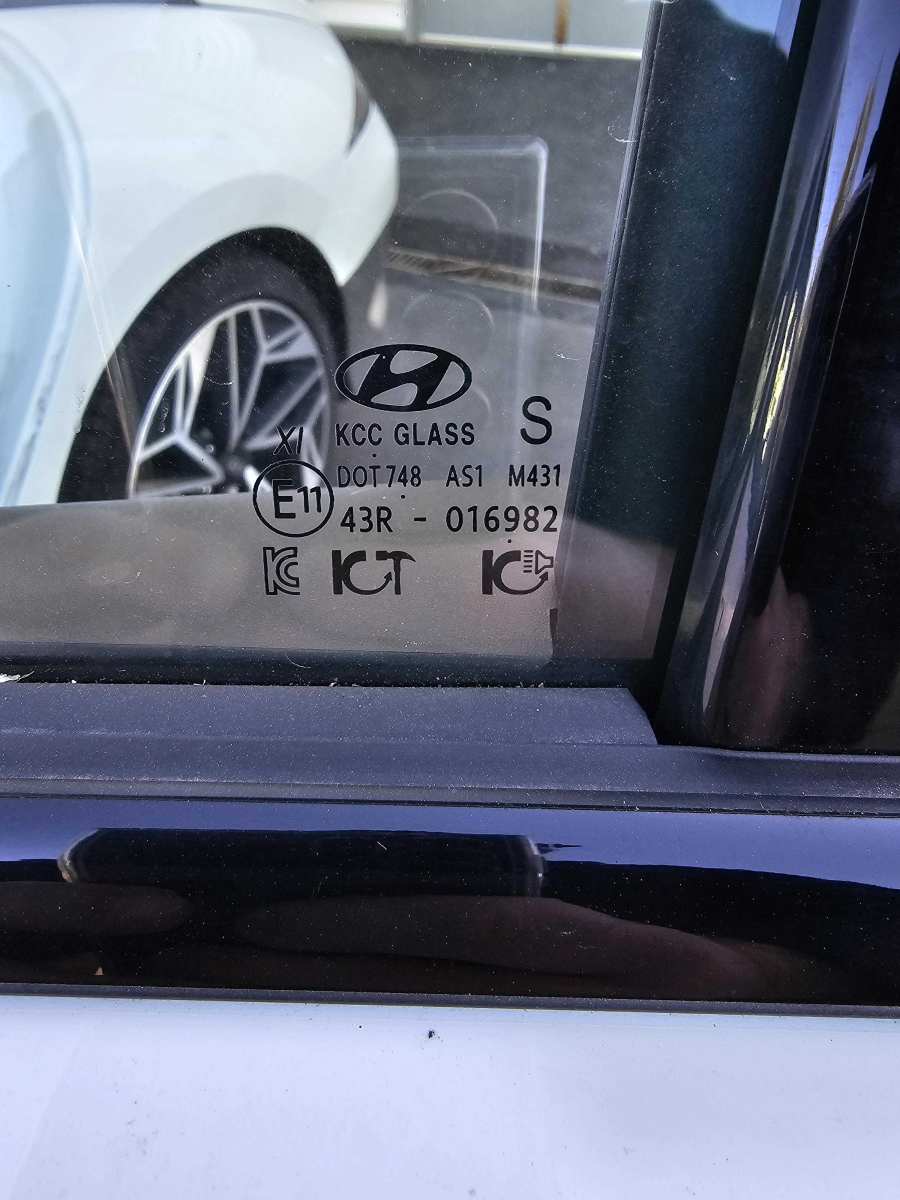
In the US, FMVSS 205 sets requirements for automotive glazing. They specify impact resistance, shatter resistance, and durability.
European Standards
European regulations specify similar safety criteria, emphasizing resistance and safety in case of accidents.
Maintenance and Care of Car Glass
Proper maintenance ensures longevity and performance of car windows.
Cleaning Tips
Use non-abrasive cleaners and soft cloths to prevent scratching. Avoid harsh chemicals that may damage coatings.
Repair Guidelines
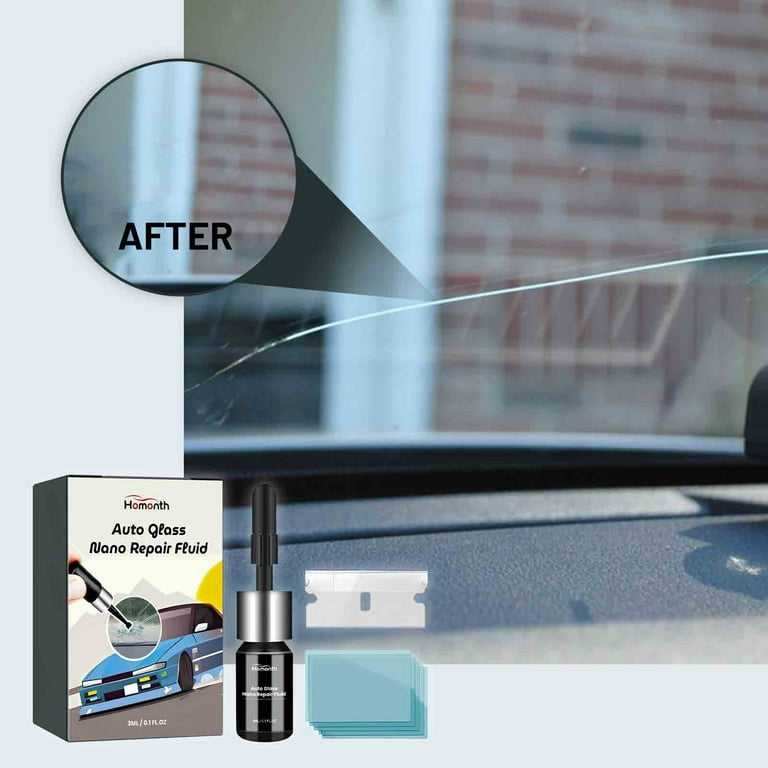
Small chips can often be repaired with resin. Cracks requiring replacement should be handled by professionals to ensure safety.

Similar Posts