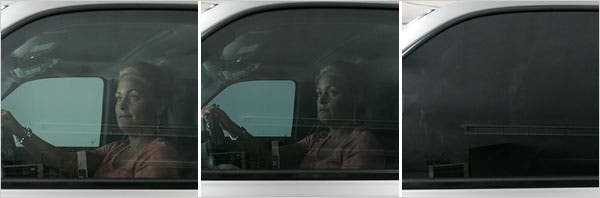
Car window tinting might seem like a cool way to keep your car stylish and cool, but did you know it’s actually illegal in many places? The main reason is that excessively dark tints can obstruct drivers’ view and make it difficult for law enforcement to see inside, raising safety concerns. In short, the legality of car window tinting depends on local regulations designed to ensure everyone’s safety on the road. Odly enough, while tinted windows can reduce glare and heat, going beyond legal limits can lead to fines or even vehicle confiscation. If you want to enjoy the benefits of a tinted window without getting into trouble, it’s crucial to understand the rules in your area. Keep reading to find out why window tinting is regulated and how to stay compliant.

Why is car window tint illegal?
Understanding the Laws Behind Car Window Tinting
Car window tinting is popular because it helps block sunlight and keeps the car cooler. However, many areas have laws that control how dark your windows can be tinted. These rules exist to keep everyone safe on the road. If your tint is darker than allowed, it can be illegal. Knowing these laws helps car owners avoid fines and other issues.
The Purpose of Tint Laws
The main goal of window tint laws is to make sure drivers and passengers are visible. Law enforcement officers need to see inside the car during daytime and nighttime. Good visibility allows officers to check for dangerous or illegal activities and helps prevent car thefts. These rules also help ensure that drivers can see clearly through their windows, reducing accidents.
How Dark Can Your Windows Be? Legal Limits
Each state or country sets its own rules about how light or dark window tint can be. This is often measured in terms of Visible Light Transmission (VLT). For example, a car tint with 70% VLT allows 70% of light to pass through. Most places limit the darkest tint allowed on the front side windows to 50% VLT or higher. The rear windows may have more leniency, allowing darker tints.
Differences in Tint Laws by Region
The rules about tinting vary greatly depending on where you live. Some states are very strict, permitting only light tints on the front windows. Others allow much darker tints for all windows. It is important to check the specific laws in your area because violating them can lead to fines and having to remove the tint. Use official state or country resources to find your local regulations.
Reasons Why Car Window Tints Are Considered Illegal
The main reasons why tinted windows are illegal often relate to safety and security. Dark tints can make it harder for police and other drivers to see inside the vehicle. This lack of visibility can be dangerous during traffic stops or accidents. Authorities believe that overly dark windows can also help criminals hide and escape more easily.
Safety Concerns with Too Dark Tints
When windows are tinted too darkly, it limits the driver’s ability to see clearly outside. This reduces reaction time to other vehicles, pedestrians, or road signs. Additionally, dark windows make it difficult for law enforcement to identify potential threats inside the car. All these factors increase the risk of accidents and crime.
Impact on Law Enforcement and Road Safety
Police officers rely on being able to see inside vehicles during stops, especially at night. If windows are too dark, officers may not see weapons or other illegal items. This can create safety risks for both officers and drivers. Too dark tints can make encounters more dangerous and complicate traffic policing.
Legal Actions and Penalties for Illegal Tinted Windows
If your windows are tinted illegally, you might face fines or tickets. In some cases, law enforcement can order you to remove the tint immediately. Repeated violations might lead to higher penalties or even court appearances. Some regions also require you to pay for the removal of illegal tint if caught.
How to Avoid Problems with Window Tint Laws
The best way to stay within the law is to check your local regulations before tinting your windows. Use a professional tinting service that is familiar with local rules. Always keep your tint within allowed light transmission levels. Keep the receipt or certification if your tint meets legal standards, as proof during inspections.
Technological Advances and Legal Tints
Modern tint films can match legal standards while still providing good sun protection. Some films are designed to block UV rays without making windows too dark. These options let drivers enjoy benefits like glare reduction and UV protection without risking legal issues. Always verify the specifications of the tint before installation.
Other Related Topics to Consider
Many car owners also care about the aesthetics and privacy of tinted windows. While legal tint helps protect privacy, it should not compromise safety. Other related topics include:
- Types of legal window tints
- How to measure the darkness of your tint
- Steps to legally modify your existing tint
- The importance of certification and documentation for tint films
Safety, law compliance, and personal preferences should all be balanced when choosing window tint. Staying informed about your regional laws ensures you enjoy all the benefits of tinting without legal issues.
Why having your car windows tinted too dark is illegal
Frequently Asked Questions
What legal limits exist for window tinting on vehicles?
Many regions set specific restrictions on the darkness and reflectivity of window tinting to ensure driver visibility and safety. These limits often vary depending on the window’s location, with front side windows typically allowed lighter tints than rear windows. Violating these regulations can lead to fines or vehicle inspection failures.
How does window tinting affect driver visibility and safety?
Dark or reflective window tints can reduce the driver’s ability to see clearly, especially at night or in poor weather conditions. This diminished visibility can increase the likelihood of accidents and compromise overall safety for all road users.
What reasons do authorities cite for restricting certain tinting levels?
Regulators aim to prevent potential misuse of window tints for concealment or criminal activity. They also prioritize maintaining pedestrian visibility and ensuring that law enforcement officials can see into vehicles when necessary, which helps in maintaining public safety and security.
Are there specific vehicle types or situations where tinting restrictions are stricter?
Yes, certain vehicles such as commercial trucks, public transport, and emergency vehicles often face more stringent tinting rules. These restrictions help in ensuring the safety of passengers, other drivers, and law enforcement personnel.
Can window tinting be legal if it complies with certain standards?
Yes, tinting becomes legal when it adheres to the specific light transmission percentages and reflectivity limits set by local laws. Vehicle owners should check their region’s regulations and ensure their tinting complies to avoid penalties.
Final Thoughts
Car window tint is illegal in many areas due to safety concerns. Authorities worry that dark tints can hinder a driver’s visibility, especially during night or bad weather. This situation increases the risk of accidents and impairs law enforcement’s ability to identify individuals inside vehicles.
Regulations aim to balance personal privacy with public safety. Car window tint becomes illegal when it exceeds the permitted darkness level, leading to potential legal consequences for vehicle owners.
In summary, why is car window tint illegal? It primarily relates to safety and regulatory standards. Staying within legal limits ensures that drivers and the community stay protected.

- How To Fix Laminated Windshield Chip Effectively - October 29, 2025
- How To Repair Laminated Glass Crack Effectively - October 29, 2025
- How To Clean Laminated Glass Properly For Sparkling Results - October 29, 2025