Will Warm Water Crack A Frozen Windshield

Pouring warm water on a frozen windshield might seem like a quick fix, but it can actually cause more harm than good. The sudden change in temperature can lead to the glass cracking, making the problem worse instead of better. If you’re trying to clear ice quickly, it’s better to use safer methods to avoid damaging your windshield.
In short, pouring warm water on a frozen windshield can crack the glass because the rapid heating causes uneven expansion. To safely clear ice, it’s recommended to use a proper ice scraper and de-icing solutions rather than risking damage with hot or warm water.
When winter hits, many drivers look for fast solutions to clear their car windows. One common question is whether pouring warm water on a frozen windshield is a good idea. While it might seem like a simple shortcut to thaw the ice, it’s actually quite risky. The sudden temperature change can stress the glass, causing it to crack or even shatter. This is especially true if the water is very hot or if the ice is thick. Instead of risking damage, it’s better to use approved de-icing sprays, a scraper, or let your vehicle warm up gradually. Knowing the right methods can save you money, time, and the hassle of replacing a cracked windshield.

Will Warm Water Crack a Frozen Windshield? Understanding the Risks and Safe Alternatives
Introduction to the Phenomenon
Many drivers wonder if pouring warm water on a frozen windshield can help clear it quickly. The idea seems simple and fast, but it can be dangerous. Knowing whether warm water cracks a frozen windshield is important to avoid costly repairs or dangerous situations.
Why Do Windshields Crack?
Windshields are made of layered glass with a plastic layer inside. This construction helps absorb impacts but makes the glass sensitive to sudden temperature changes. When the glass experiences rapid shifts in temperature, it can cause cracks or even shattering.
What Happens When You Pour Warm Water on a Frozen Windshield?
Pouring warm water on a frozen windshield might seem effective for thawing, but it often leads to problems. Warm water causes the glass surface to heat unevenly. This uneven expansion can exert stress on the glass, leading to cracks or other damage.
Temperature Difference and Its Effects
The key issue lies in the temperature difference between the water and the windshield. If the water is too warm, it raises the glass’s temperature rapidly. This rush of heat creates internal stress, especially if the glass is already brittle from cold.
Can Warm Water Break Your Windshield?
Yes, in many cases, warm water can cause the windshield to crack. The risk increases with the temperature of the water and the thickness of the ice. Even moderately warm water can sometimes lead to cracking if the glass is particularly cold and brittle.
How Quickly Does Heat Affect Glass?
Glass responds rapidly to temperature changes. When exposed to hot water, the outer layer expands faster than the inner layers. This mismatch causes stress that can crack the glass, especially if the temperature difference is large and abrupt.
Signs That Warm Water Might Damage Your Windshield
- Ice is thick and well-frozen overnight
- Temperatures are extremely cold outside
- The windshield already has small chips or cracks
- Water is hotter than 120°F (49°C)
If any of these signs are present, pouring warm water might cause more harm than good.
Safe Alternatives to Warm Water for Removing Ice
Instead of warm water, consider these effective safety methods:
- Use a scraper to gently remove ice
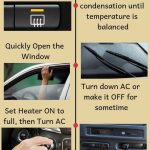
- Start your car and let the defroster warm the glass gradually
- Apply a mixture of water and alcohol to melt the ice faster
- Use commercial de-icing sprays designed for windshields
- Place a blanket or a specialized cover over the windshield the night before to prevent ice buildup
How Does Using a Defroster Help?
Turning on the vehicle’s defroster warms the air inside the car and directs warm air onto the glass surface. This gradual warming reduces stress on the windshield while melting ice effectively. It is safer and less likely to cause cracks compared to pouring warm water.
What Temperature Is Safe for Pouring Water?
If you choose to pour water, it should be lukewarm—not hot. A temperature of around 60°F (15°C) is generally safe and less likely to cause thermal stress. Always test the water temperature on your skin before applying it to the windshield.
Can Cold Water Damage the Windshield?
Cold water is less risky but can still cause stress if the glass is very cold. It may not be as effective at melting ice but generally does not cause cracking. However, applying very cold water to a frozen windshield can sometimes cause micro-cracks or stress.
Factors Influencing the Risk of Cracking
Several factors can increase the chances of cracking when handling ice:
| Factor | Impact on Risk |
|---|---|
| Temperature of water | Higher temperatures increase risk |
| Thickness of ice | Thicker ice takes longer to melt and may require more aggressive methods |
| Existing damage | Cracks or chips make glass more vulnerable |
| Age of windshield | Older glass may be more brittle |
Understanding the Science Behind Glass Stress
When glass is heated unevenly, stress results because different parts expand at different rates. If the stress exceeds the glass’s strength, cracks form. This is especially true for windshields with existing chips or small cracks, which can propagate and worsen with uneven heating.
Summary of Risks When Using Warm Water
– Causes uneven heating leading to stress cracks
– Can shatter the windshield in severe cases
– May worsen existing chips or cracks
– Risks increase with hotter water or thicker ice
Practical Tips for Safe Ice Removal
- Use plastic or rubber scrapers for ice removal
- Start the car and turn on the defroster early
- Apply a commercial ice-melting spray safely, following instructions
- Use lukewarm water if necessary, tested on skin first
Summary
Understanding the effects of temperature changes on windshield glass helps prevent damage. Pouring warm water is risky because of uneven expansion and internal stress, which can lead to cracks or shattering. In most cases, safer and more effective methods exist for clearing your windshield safely.
Related Topics: Protecting Your Windshield in Winter
Using Windshield Covers
Cover your windshield overnight with a special cover or blanket to prevent ice buildup. This simple step can save time and reduce the need for any ice removal techniques.
Choosing the Right De-Icing Products
Opt for commercial de-icers designed for vehicle use. These products are formulated to melt ice quickly without damaging the glass or your car’s paint.
Importance of Regular Maintenance
Inspect your windshield regularly for chips or cracks. Repair small damages early to prevent them from worsening during cold weather. Keep your windshield clean to maximize visibility and safety.
How to Prevent Ice Buildup
Park your vehicle in a garage if possible. Use a windshield cover, or park in a shaded area to avoid rapid freezing and ice accumulation.
Pouring warm water on a frozen windshield can seem like a quick fix, but it carries significant risks. The rapid temperature change can cause cracks and potentially shatter your windshield. Instead, adopt safer methods like gradual defrosting, use of scrapers, or commercial de-icers. By understanding how temperature affects glass, you can protect your vehicle and ensure your safety during winter mornings.
Frequently Asked Questions
Can pouring warm water on a frozen windshield cause cracks or damage?
Pouring warm water directly onto a frozen windshield can cause rapid temperature changes that lead to cracking or even breaking the glass. The sudden shift from ice to warmer water creates stress within the glass material, increasing the risk of damage. It is safer to use gradual methods, such as a scraper and de-icer, to clear the ice.

Similar Posts