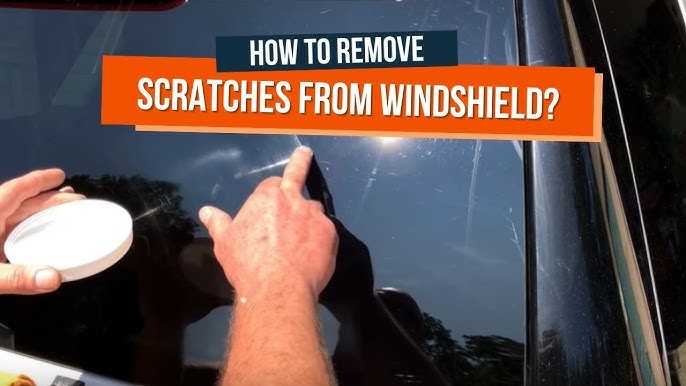
For the best results in removing scratches from your car’s glass, use a specialized glass polish designed for minor imperfections. Products like Cerium Oxide or automotive glass polishing kits effectively restore clarity and smoothness, making your windshield look brand new. Applying the right polish can save you from costly replacements and improve your driving visibility.
If you’re dealing with scratches on your car’s glass, choosing the right polish is key. The best car glass polish for scratches depends on their depth and severity but generally includes options like Cerium Oxide or professional-grade kits that can buff out minor surface damage. These products are easy to apply and deliver impressive results when used correctly.
Getting a clear view while driving is essential for safety, and scratched glass can be a major distraction. Over time, small scratches can worsen or impair your vision, making it crucial to address them promptly. Finding the right polish not only enhances your vehicle’s appearance but also extends the longevity of your windshield. With various options available in the market, selecting the best product for your specific scratch type can seem overwhelming. This guide aims to walk you through the top car glass polishes designed to combat scratches effectively, so you can restore your windshield’s clarity and enjoy safer drives every time.

Best Car Glass Polish for Scratches: A Complete Guide to Restore Your Windows
Scratches on your car’s glass can be frustrating and affect your driving visibility. Choosing the right car glass polish is essential to improve the appearance of your windows and ensure clear vision. In this article, we will explore the best products, techniques, and tips to effectively remove scratches from your car’s glass.
Understanding Car Glass Scratches
Car glass scratches vary in depth and severity. Light scratches usually appear as surface marks that can be polished out easily. Deep scratches, however, may require professional repair or replacement.
Assessing scratch depth is crucial before selecting a polish. Light scratches tend to affect only the surface, while deep scratches penetrate the glass layers. Properly identifying the severity helps prevent further damage during polishing.
Types of Car Glass Polish
1. Abrasive Polishes
Abrasive polishes contain tiny particles that gently wear down the surface to smooth out scratches. They are ideal for light to moderate scratches.
2. Non-Abrasive or Restoration Gels
Less aggressive products use chemical agents to improve clarity without significant material removal. They are suitable for minor marks and haze.
3. Professional Glass Restorers
These are specialized products designed for deeper scratches and often require more skill to apply. They often combine abrasive and chemical components for best results.
Top Car Glass Polishing Products for Scratches
| Product Name | Type | Best For | Price Range |
|---|---|---|---|
| Glass Polish by Meguiar’s | Abrasive | Light scratches and haze | $15-$20 |
| 3M Glass Polishing Compound | Abrasive | Moderate scratches | $20-$30 |
| Rain-X Glass Polish | Non-Abrasive | Minor marks, haze | $10-$15 |
| Cerium Oxide Paste | Abrasive | Deep scratches, restoration | $25-$40 |
How to Choose the Right Car Glass Polish
Identify the Scratch Severity
Begin by inspecting the scratch depth. Light surface scratches respond well to less abrasive products. For deeper scratches, opt for stronger, compound-based polishes.
Consider Your Budget
Prices vary, with basic products costing less. Investing in a higher-quality polish often provides better results and prevents further damage.
Read Product Labels and Reviews
Look for products specifically formulated for car glass and check user reviews for insights on effectiveness and ease of use.
Step-by-Step Process to Polish Car Glass for Scratches
Preparation
Wash your car thoroughly to remove dirt and debris. Ensure the glass is dry before starting to avoid trapping particles during polishing.
Applying the Polish
- Place a small amount of polish on a clean microfiber cloth or applicator pad.
- Work the polish into the scratch area using circular motions.
- Apply moderate pressure but avoid pressing so hard that you risk damage.
Buffing and Finishing
Use a clean microfiber cloth to buff the glass, removing excess polish. Multiple passes may be necessary for optimal clarity.
Inspect Your Work
Check the area under good lighting to see if the scratches have diminished. Repeat the process if needed, but avoid over-polishing which can weaken the glass surface.
Additional Tips for Effective Scratch Removal
- Use Proper Equipment: A dual-action polisher can make the process easier and more consistent.
- Work in Shade: Sunlight can cause the polish to dry too quickly, making application difficult.
- Patience Is Key: Small, gradual polishing sessions are better than aggressive attempts that can cause more damage.
- Protect Your Glass: After polishing, consider applying a water-repelling treatment like Rain-X to keep your windshield clearer for longer.
Common Mistakes to Avoid
- Using Excessive Force: Too much pressure can cause further scratches or cracks.
- Applying Polishes on Dirty Glass: Dirt particles can cause additional scratches during polishing.
- Ignoring Scratch Depth: Attempting to polish very deep scratches may be ineffective and unsafe.
- Skipping Test Area: Always test the polish on a small, inconspicuous spot first to prevent unintended damage.
When to Seek Professional Help
If scratches are deep or cover a large area, professional repair services may be more effective. Professionals can use specialized tools and techniques to restore your glass without risking further damage.
Additional Solutions for Scratch Problems
Glass Repair Kits
These kits often include various abrasives and chemical compounds designed to remove light scratches at home. Follow instructions carefully for best outcomes.
Replacement Options
For severe damage, replacing the glass may be more cost-effective and safer than attempting to polish out deep scratches.
Preventative Measures
To keep your car’s glass in top condition, avoid parking in harsh environments, use a windshield cover, and regularly clean your windows.
Related Topics
Choosing the right car glass polish for scratches makes a significant difference in restoring your windows’ clarity. By understanding the types of scratches, suitable products, and proper application techniques, you can keep your car looking new and ensure safe driving visibility. Always consider your scratch’s severity and opt for professional help when in doubt to avoid further damage.
How to Remove Scratches from Car Side Windows | DIY Automotive Glass Scratch Removal Kit Tutorial
Frequently Asked Questions
How can I choose the most effective glass polish for scratches on my car?
Selecting the right glass polish involves considering the severity of scratches, the product’s abrasiveness, and compatibility with your windshield. For minor scratches, opt for a gentle, non-abrasive polish designed specifically for glass. If scratches are deeper, choose a product with mild abrasives that can effectively remove surface imperfections without damaging the glass. Reading reviews and product descriptions can also help identify a polish suitable for your needs.
What techniques should I follow when applying car glass polish for scratches?
Start by cleaning the windshield thoroughly to remove dirt and debris. Apply a small amount of glass polish to a clean, soft cloth or applicator pad. Use circular motions to gently work the polish into the scratched area, applying consistent pressure. Continue polishing for several minutes to allow the abrasive particles to smooth out the scratches. Once done, wipe away any excess product with a clean, damp cloth and inspect the surface for clarity.
Are there any precautions I should take to avoid damaging my windshield during polishing?
Always use the recommended amount of polish to prevent excess abrasiveness. Avoid applying too much pressure during polishing, as it can cause additional damage. Test the polish on a small, inconspicuous area first to ensure it doesn’t cause unwanted effects. Protect surrounding areas, such as rubber seals and paint, from contact with abrasive products. Follow the manufacturer’s instructions carefully to achieve the best results without compromising your windshield’s integrity.
Can professional glass polishing treatments be more effective than DIY products for scratches?
Professional treatments often use specialized equipment and higher-grade abrasives to remove scratches more efficiently, especially for deeper imperfections. Technicians can assess the severity of the scratches and tailor treatments accordingly. While DIY products can improve minor scratches, professional services provide a more comprehensive solution for persistent or extensive damage, ensuring clearer visibility and preserving the windshield’s strength.
How long does it typically take to see visible improvements after polishing my car’s glass?
Visibility improvements can occur immediately after polishing, especially for minor scratches. However, for the best results, allow the polish to work for the recommended duration and repeat the process if necessary. Usually, with proper application, you should notice a clearer view within a few minutes to an hour. For more significant scratches, multiple treatments may be required over several days to achieve optimal clarity.
Final Thoughts
The best car glass polish for scratches effectively restores clarity and improves safety. It smooths out minor blemishes and prevents further damage when applied correctly. Choosing the right product ensures a clearer view and enhances overall vehicle appearance. Consistent use of quality polish can save time and money on repairs.

- Windshield Repair vs. Replacement: When You Can Fix It and When You Can’t - July 12, 2026
- How To Fix Laminated Windshield Chip Effectively - October 29, 2025
- How To Repair Laminated Glass Crack Effectively - October 29, 2025