How To Stop Car Windows Fogging Up In The Morning Effectively
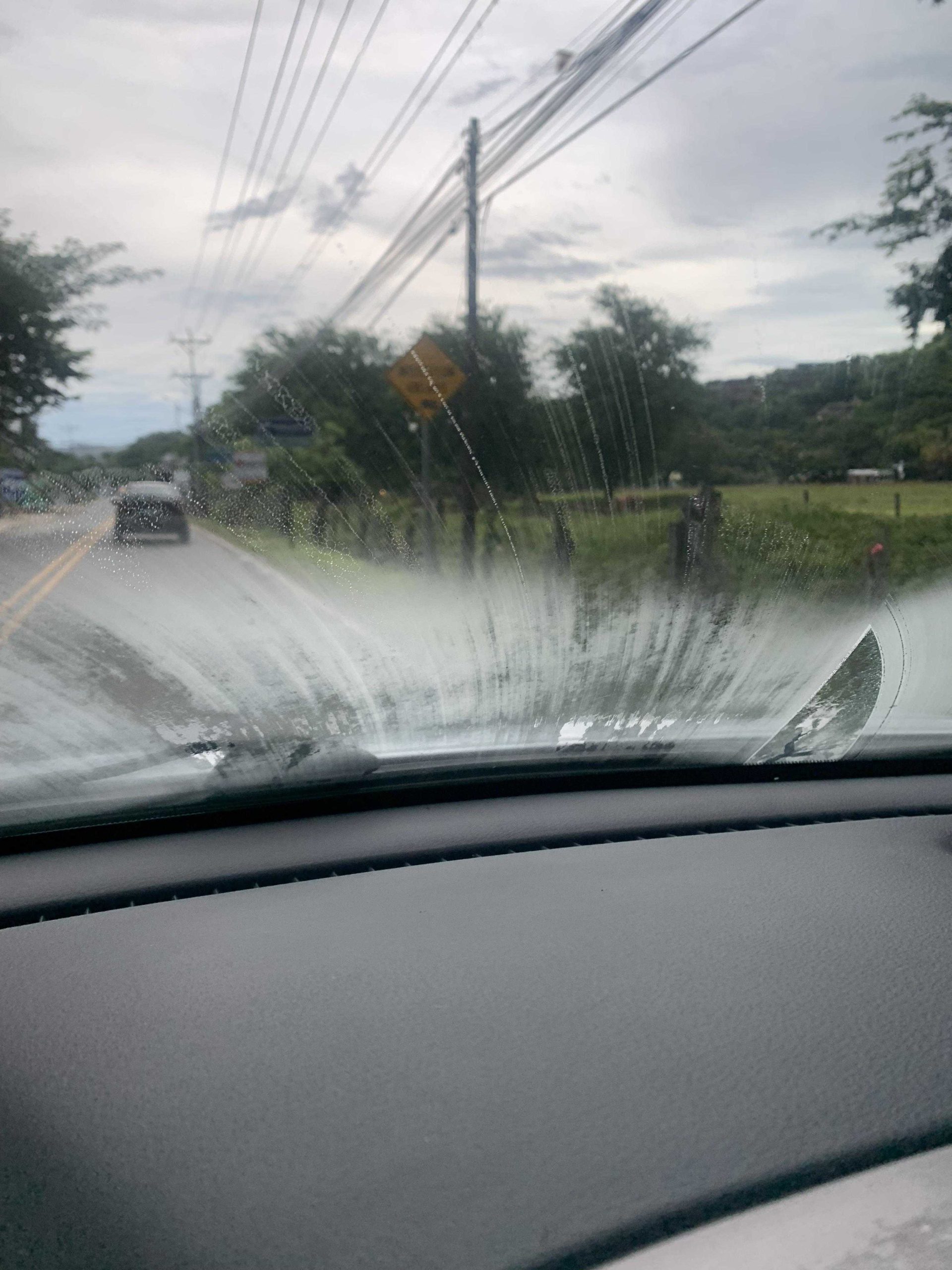
To keep your car windows clear in the morning, ensure proper ventilation, use the defogger effectively, and keep interior humidity low. You can also try applying anti-fog treatments to your glass for long-lasting results. These simple tips can make a huge difference and keep your visibility perfect during those chilly mornings.
If you’re tired of waking up to foggy car windows that ruin your visibility and make driving risky, you’re not alone. Fogged-up windows are a common problem, especially during colder months, but they can be easily prevented with a few quick strategies. Proper ventilation, using the car’s defogging features, and reducing interior moisture are some of the most effective solutions. Applying anti-fog products to your windows can provide an extra layer of protection, keeping your view crystal clear. In this article, we’ll explore simple, practical steps to keep your car windows fog-free every morning, so you can start your day safely and hassle-free.

How to Stop Car Windows Fogging Up in the Morning
Understanding Why Car Windows Fog Up
Foggy windows are a common problem, especially during cold mornings. This happens because warm, moist air inside your car comes into contact with the cooler glass surface. When the moisture hits the cold glass, it condenses into tiny water droplets, creating fog. Recognizing this process helps in finding effective ways to prevent it.
Factors That Contribute to Fogging
Certain conditions make fogging more likely. These include high humidity levels inside the car, cold outside temperatures, and inadequate ventilation. Additionally, recent rain or snow can increase moisture inside your vehicle, raising the chances of fogging.
How to Prevent Fogging with Proper Ventilation
Good airflow in your car can significantly reduce fogging. Use the ventilation system correctly by turning on the fresh air intake rather than recirculating the air. This allows moist air to escape and fresh, drier air to enter, balancing moisture levels inside your car.
Using Defrost and Defog Settings Effectively
Most vehicles have dedicated defrost or defog modes. These settings direct warm air onto the windshield and windows, helping to evaporate condensed moisture. Always activate these features when fog appears or before starting your drive in the morning.
Manual Ventilation Tips
If your car lacks automatic defrost, manually open windows slightly to promote airflow. Even a small crack can help exchange humid indoor air for drier outside air, decreasing fog formation.
Adjusting Climate Control for Fog Prevention
Your car’s climate control system plays a vital role in managing humidity. Setting the air conditioning or heater to a moderate temperature helps balance moisture and temperature levels, preventing fog. Many cars have an “air dehumidify” function—use it if available.
Using Air Conditioners in Cold Weather
Running the air conditioner during colder months is surprisingly effective at removing moisture from the air. It dehumidifies the air inside the vehicle, which directly reduces fogging on the windows. Don’t hesitate to turn on your AC even when it’s cold outside.
Implementing Simple DIY Solutions
There are practical steps you can take with everyday items to keep windows clear. These techniques are inexpensive and easy to apply every morning.
Using Anti-Fog Products
Apply a commercial anti-fog spray or wipe to interior glass surfaces. These products create a thin, invisible film that prevents moisture from condensing, keeping your windows clear longer.
Homemade Solutions for Fog Prevention
A simple mix of water and a small amount of dish soap or vinegar can be rubbed onto the glass as a natural anti-fog. Wipe the solution evenly, then buff with a clean cloth to form a protective barrier.
Silica Gel and Desiccant Packs
Place small silica gel packets in your car overnight to absorb excess moisture. These desiccants can significantly reduce humidity levels, making fog less likely in the morning.
Keeping Windows Clear During Cold Seasons
Extra care is needed during winter months. Cold weather makes glass surfaces cooler, increasing condensation chances.
Using Window Covers and Sun Shades
Cover windows with thermal or insulating covers overnight to prevent excessive cooling. Sun shades for the windshield also help trap warmth and moisture inside, reducing fog buildup.
Insulating Your Car Windows
Applying adhesive insulating film on your windows creates a barrier that maintains glass temperature. This prevents the glass from cooling down too much overnight and reduces condensation.
Advanced Technologies and Car Features
Modern cars come equipped with features to help combat fogging.
Heated Windows and Windshields
Vehicles with heated glass use embedded wiring to warm the surface. These systems instantly reduce fog and frost, providing clear visibility.
Automatic Climate Control Systems
Advanced climate control adjusts temperature and humidity automatically to maintain optimal conditions. These systems activate defrost or dehumidify functions as needed, making fog less of an issue.
Smart Ventilation Systems
Some vehicles have smart ventilation that detects humidity levels and activates air circulation proactively. This technology helps keep windows clear without manual intervention.
Maintenance Tips to Reduce Fogging
Regular vehicle maintenance can improve your car’s ability to prevent fogging.
Cleaning Your Windows Regularly
Use appropriate glass cleaners to remove dirt and residues that can attract moisture. Clean windows inside and out for optimal clarity.
Replacing Worn Weatherstripping
Damaged or worn weather seals around your doors and windows can let in moist air. Replacing these seals helps maintain a controlled environment inside your vehicle.
Checking and Servicing AC and Heating Systems
Ensure your climate control systems operate efficiently. Regular service keeps moisture levels in check and prevents fogging.

Similar Posts


















