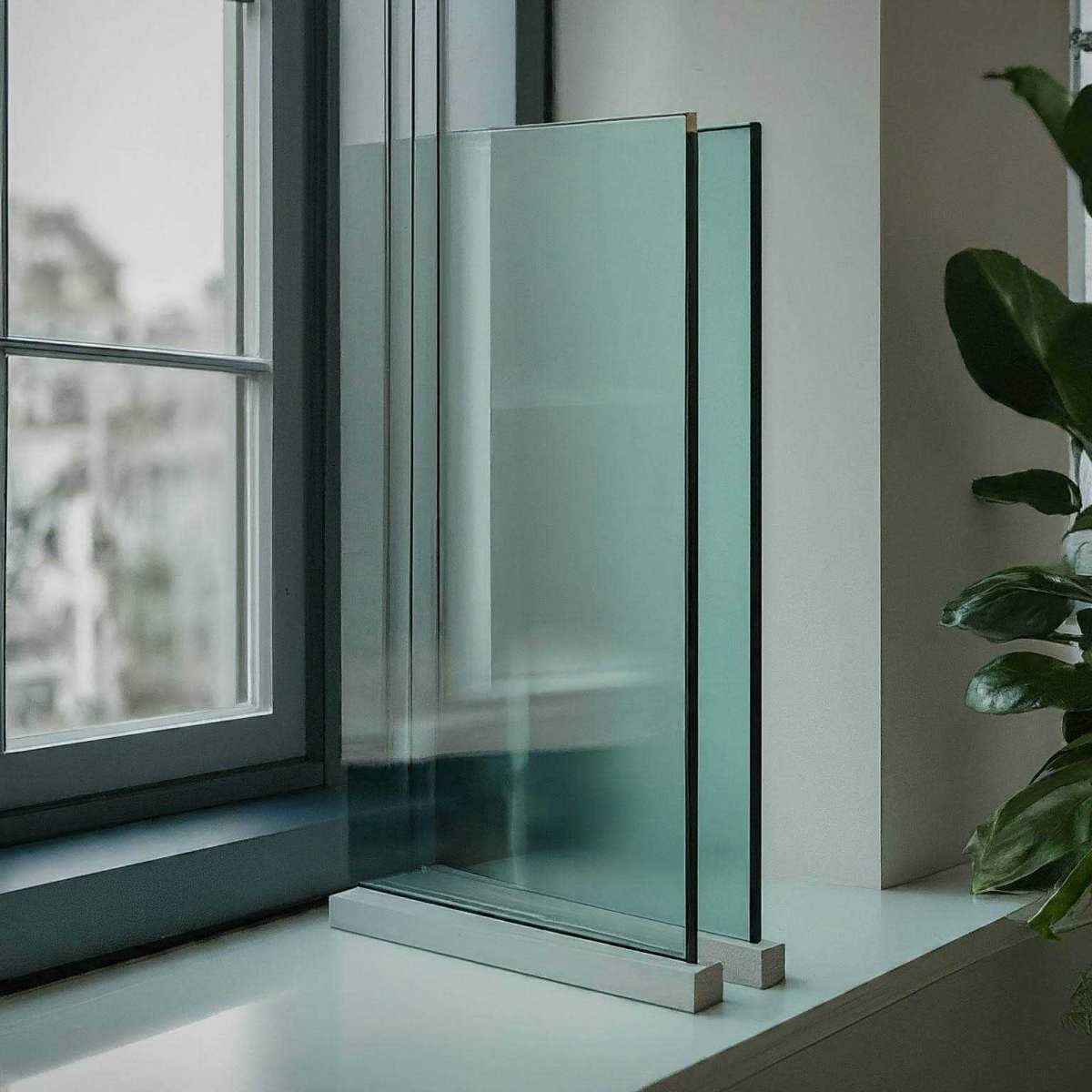
To choose the right laminated glass thickness, consider the specific application, safety requirements, and load expectations. Start by assessing the purpose—whether it’s for windows, partitions, or security barriers—and consult relevant building codes. For most residential and commercial needs, 6 to 12 mm often suffices, but special situations might call for thicker variants. It’s essential to balance strength, safety, and cost while ensuring compliance with local standards.
In short, determine the purpose and safety standards, evaluate load and impact requirements, and consult professionals or manufacturer guidelines to select the optimal thickness. Properly chosen laminated glass enhances safety and durability without unnecessary expense.
When selecting laminated glass thickness, understanding the factors involved is crucial for ensuring safety, durability, and functional performance. Laminated glass, made of two or more glass layers bonded with a plastic interlayer like PVB, offers strength, security, and noise reduction. The right thickness depends on various factors such as location, exposure to impacts, and building regulations. Thinner glass might be suitable for interior partitions, while thicker options are better for security windows or areas prone to vandalism. Choosing incorrectly can compromise safety or increase costs unnecessarily. By evaluating your specific needs—considering safety standards, load requirements, and environmental conditions—you can make an informed decision. Consulting experts or manufacturers can also help ensure you get the best choice tailored to your project.

How to Choose Laminated Glass Thickness
Choosing the right laminated glass thickness is essential for both safety and functionality. The thickness impacts durability, security, and overall performance of the glass in different environments. Understanding the key factors helps you make an informed decision that meets your specific needs.
Understanding Laminated Glass and Its Components
Laminated glass is made by bonding two or more sheets of glass with a durable plastic interlayer, usually polyvinyl butyral (PVB). This design offers safety benefits because, if broken, the glass remains attached by the interlayer instead of shattering into sharp pieces.
The thickness of laminated glass is typically expressed by adding the thickness of individual glass layers and the interlayer. For example, a 10+0.76 laminated glass has a 10mm glass layer with a 0.76mm interlayer.
Why Thickness Matters in Laminated Glass
The thickness directly influences the glass’s strength and safety features. Thicker laminated glass can withstand higher forces, making it suitable for security applications such as balustrades or storefronts. Thinner glass is often used for decorative purposes or interior partitions.
Choosing the correct thickness ensures safety, complies with building codes, and provides the desired aesthetic. It also affects the weight of the glass, which impacts installation and supporting structures.
Key Factors Affecting Laminated Glass Thickness Selection
Intended Use and Function
Determine whether the laminated glass will serve as a barrier, protective barrier, or decorative element. For example, safety glass for windows needs to withstand impacts, while decorative panels require less thickness.
Security and Safety Requirements
High-security applications such as bank vaults or secure entrances demand thicker, more resistant laminated glass. Consider the potential impact energy, security standards, and safety regulations in your area.
Building Codes and Regulations
Local building codes specify minimum laminated glass thickness for different applications. Always verify compliance with regional standards to avoid legal issues and ensure safety.
Environmental Conditions and Exposure
Laminated glass in outdoor settings faces weathering, temperature changes, and potential impact from debris. Thicker glass offers better durability and resistance to environmental stressors.
Size and Dimensions of the Glass Panel
Large panels generally need increased thickness to prevent bending, flexing, or breaking. Proper support structures also influence the necessary thickness for big installations.
Common Laminated Glass Thicknesses and Their Applications
| Thickness | Typical Use | Comments |
|---|---|---|
| 3mm to 4mm | Interior partitions, decorative panels | Lightweight, less impact resistant |
| 5mm to 6mm | Balustrades, interior windows | Moderate impact resistance |
| 8mm to 10mm | Exterior windows, doors | Good balance between weight and strength |
| 12mm and above | Security glass, ballistic protection | High impact and security resistance |
Remember, these are general guidelines. Specific applications may require customized thicknesses.
Impact Resistance and Safety Standards
Impact resistance is a crucial factor. Laminated glass must pass specific safety tests, such as those outlined by the EN 12600 or ANSI Z97.1 standards. Thicker laminated glass generally offers higher impact resistance, but design and interlayer properties also matter.
Safety standards specify minimum thicknesses for different scenarios. For example, laminated glass used in safety glazing for pedestrian areas often requires a minimum of 6mm or thicker.
How to Calculate the Ideal Thickness for Your Project
Start by assessing the load and impact requirements of your project. Consult regulatory standards to identify minimum thicknesses.
Use the following formulas and guidelines:
- For impact resistance, consider the impact energy (measured in Joules). Thicker glass absorbs more energy.
- For large spans, increase thickness to reduce flex and prevent sagging.
- Factor in the size of the glass and the distance between supports.
When in doubt, consult with manufacturers or professionals who can perform structural evaluations for your specific application.
Supporting Structures and Installation Considerations
Support system design influences glass thickness requirements. Heavier glass needs stronger framing and hardware to prevent stress and possible breakage.
Ensure that mounting systems are compatible with the selected glass thickness. Proper installation reduces risks related to stress points and provides longevity.
Cost Implications of Different Laminated Glass Thicknesses
Thicker laminated glass usually costs more due to material, manufacturing, and installation complexities. Balance your safety and performance demands with your budget.
Request quotes from multiple suppliers to compare costs effectively. Keep in mind that investing in the right thickness enhances long-term safety and reduces replacement expenses.
Choosing the Right Laminated Glass Thickness for Your Needs
Evaluate all factors—safety, environmental exposure, size, and design—to determine the optimal thickness. Prioritize safety standards and manufacturer recommendations to ensure performance and compliance.
Consult with glazing professionals to tailor the thickness to your specific project. This approach ensures a durable, safe, and aesthetically pleasing result.
Related Topics: Additional Factors to Consider
UV Protection and Acoustic Insulation
Some laminated glass options include UV protection or soundproofing layers. These features influence thickness choices, especially for specialized applications.
Customization and Special Features
Laminated glass can incorporate various interlayers for added security or decorative effects. Custom interlayer thicknesses and materials can extend or reduce overall thickness depending on your goals.
Maintenance and Longevity
Thicker laminated glass tends to last longer under harsh conditions but might require more careful handling during installation. Regular maintenance ensures safety and appearance over time.
Choosing laminated glass thickness involves balancing safety, functionality, appearance, and cost. By understanding these core factors, you can select the most suitable glass for your project, ensuring durability, security, and aesthetic appeal.
What Type of Glass be Used in Your Home Window | Float | Low-E | Tempered | Laminated | Insulated
Frequently Asked Questions
What factors influence the appropriate thickness of laminated glass for a specific project?
Several factors determine the suitable laminated glass thickness, including the size and shape of the pane, the location and environmental conditions, the level of impact resistance required, and safety standards. Larger or more exposed installations typically demand thicker glass to ensure durability and safety. Additionally, the intended use, such as whether the glass will support loads or resist vandalism, also influences the choice of thickness.
How do safety regulations impact the decision on laminated glass thickness?
Safety regulations set minimum standards for glass strength and impact resistance based on building codes and industry standards. These regulations specify the minimum thickness and construction details to ensure the safety of occupants. Adhering to local building codes is essential, as they account for factors like seismic activity, wind loads, and potential impacts, guiding you to select the appropriate glass thickness for compliance and safety.
In what ways does glass thickness affect the overall performance of laminated glass in different environments?
Thicker laminated glass generally offers higher resistance to impacts, better insulation properties, and increased soundproofing. In environments with high wind loads, frequent impact risks, or extreme weather conditions, choosing a greater thickness enhances durability and safety. Conversely, in controlled indoor settings, thinner options might suffice, offering benefits like reduced weight and cost without compromising performance.
How can the intended aesthetic and design considerations influence laminated glass thickness selection?
Design preferences, such as achieving a sleek, minimalist look, may lead you to select thinner laminated glass for a more unobtrusive appearance. However, the need for structural support or safety features might necessitate thicker glass. Balancing aesthetic goals with safety and performance requirements ensures you select a thickness that complements your design while maintaining functionality and safety.
What role does installation method play in determining the suitable laminated glass thickness?
The method of installation can influence the needed thickness to withstand handling stresses and environmental forces. For example, glass mounted in large, unsupported spans may require increased thickness to prevent breaking or flexing. Proper framing and support structures also allow for optimized glass thickness, ensuring safety and longevity. Consulting with installation specialists helps determine the optimal thickness based on your mounting and support systems.
Final Thoughts
Choosing the right laminated glass thickness depends on the specific safety, security, and aesthetic requirements of your project. Consider the intended use, such as whether it’s for windows, doors, or partitions, and adhere to local safety regulations. Thicker glass provides increased durability and safety, especially in high-risk areas.
Evaluate the impact resistance needed and consult with manufacturers for optimal options. Understanding how to choose laminated glass thickness ensures you select the right specifications for long-term performance and safety.

- How To Fix Laminated Windshield Chip Effectively - October 29, 2025
- How To Repair Laminated Glass Crack Effectively - October 29, 2025
- How To Clean Laminated Glass Properly For Sparkling Results - October 29, 2025