Can A Cracked Windshield Shatter In The Cold: Facts And Risks
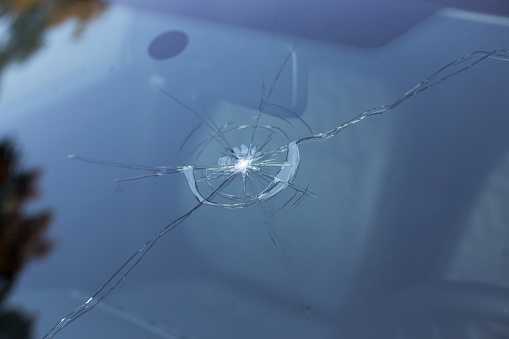
Yes, a cracked windshield can shatter in the cold, especially if the damage is severe or the crack is directly exposed to freezing temperatures. Cold weather can cause existing cracks to expand and weaken the glass further, increasing the risk of shattering unexpectedly.
In short, yes, a cracked windshield is more likely to shatter in cold weather, but it depends on the extent of the damage and other conditions. Cold temperatures can make the glass more brittle, so cracks tend to worsen, sometimes leading to sudden shattering. If you have a crack in your windshield, it’s crucial to address it promptly before winter hits, to prevent dangerous and costly accidents. Understanding how cold influences windshield integrity can help you take preventive steps to stay safe and avoid surprises on icy mornings.

Can a Cracked Windshield Shatter in the Cold?
Understanding How Windshields Break
A windshield is made from laminated glass, which is designed to hold together even when cracked. When a crack occurs, it can seem small at first but often weakens the overall structure. The way a crack spreads or causes shattering depends on several factors, including temperature changes.
Cold weather can affect the integrity of a cracked windshield, but it doesn’t automatically mean it will shatter. Instead, understanding what causes cracking and shattering helps clarify the role of temperature. Windshields are built to withstand everyday conditions, but extreme cold can influence their strength.
Effects of Cold Temperatures on Windshield Glass
Cold temperatures can cause the glass to contract slightly, which might make existing cracks worse. When the glass contracts unevenly, the cracks can expand, increasing the risk of shattering.
In addition, cold air can lead to the formation of ice or frost on the outside of the windshield, adding extra pressure and stress. If the internal heating system is used suddenly to defrost the glass, rapid temperature changes can also cause stress.
Can a Cracked Windshield Shatter Due to Cold?
While it’s possible, a cracked windshield doesn’t necessarily shatter in cold weather. The likelihood depends on the type of crack, the severity of damage, and specific conditions.
Cracks that are small or shallow are less likely to cause shattering when it gets cold. Larger or more complex cracks, especially those that run across the entire windshield, are more vulnerable.
Factors That Increase the Chance of Shattering in Cold
Type of Crack
- Stress cracks: These are thin and can widen with temperature shifts.
- Star-shaped or spiderweb cracks: These tend to spread quickly under stress.
- Chip damage: Small chips can sometimes grow into larger cracks in cold weather.
Severity of Damage
Not all cracks pose the same level of risk. Wide or deep cracks weaken the windshield more easily, especially under stress from cold.
Temperature Fluctuations
Rapid changes between warm and cold temperatures cause the glass to expand and contract quickly. This stress can make existing cracks worse or cause the windshield to shatter unexpectedly.
How Cold Weather Can Accelerate Cracks
Cold air causes the glass to contract, which can expand cracks that are already present. This contraction creates tension within the material, making cracks grow longer or deeper.
In addition, snow and ice can put physical pressure on the windshield. When attempting to clear ice or snow aggressively, pressure can be applied that might cause a cracked windshield to give way.
Temperature Changes Inside the Vehicle
Starting the car’s heater suddenly can create a rapid temperature difference between the interior and exterior of the windshield.
This uneven heating causes thermal stress, which can worsen existing cracks or lead to shattering. It’s better to warm the vehicle gradually to avoid this issue.
Protection Tips for Cracked Windshields in Cold Weather
- Park in a garage or sheltered area whenever possible to minimize exposure to low temperatures.
- Use a windshield cover to prevent ice buildup and reduce stress from freezing rain.
- Warm the car slowly before removing frost or ice by turning the heater on gradually.
- Avoid slamming doors or applying force to the windshield in cold weather.
What To Do If You Notice a Crack During Cold Weather
It’s best to get the crack checked by a professional as soon as possible. They can assess whether your windshield is safe or needs repair.
Avoid sudden temperature changes, like pouring hot water on ice, as this can cause additional stress.
Repairing or Replacing a Cracked Windshield in Cold Conditions
Repairs are most effective when performed promptly and under stable temperature conditions. Cold weather can hinder the adhesive used in repairs, so professional technicians often recommend waiting until temperatures are more moderate.
In severe cold, replacing the windshield might be the safer choice. Proper installation under controlled temperature conditions ensures the new windshield is secure and less vulnerable to future issues.
Summary of Key Points
- Cold temperatures can cause cracks to grow, but don’t always cause a windshield to shatter.
- Existing cracks weaken the windshield’s structure, increasing the risk in cold weather.
- Thermal stress from rapid temperature changes can worsen damage.
- Protective measures and timely repairs help prevent shattering during cold seasons.
Related Topics
Additional topics related to cracked windshields and cold weather include:
- How to safely remove ice and snow from a cracked windshield
- Signs that your windshield needs immediate repair or replacement
- Differences between laminated and tempered glass in car windshields
- Impact of UV rays and temperature fluctuations on windshield durability
- Guidelines for insurance claims following a cracked windshield damage
Understanding the relationship between cold weather and windshield cracks helps car owners take better care of their vehicles during winter. While cold can threaten windshield integrity, careful management and timely repairs keep your windows safe and intact.
How to fix a long crack in your windshield for under $100 Part 1 #shorts #howto #repair
Frequently Asked Questions
Can a cracked windshield worsen during cold weather?
Yes, cold temperatures can cause existing cracks to grow larger because they make the glass more brittle and less flexible. Additionally, the rapid expansion and contraction of the glass with temperature changes can stress the crack further, potentially worsening the damage over time.
What are the risks of driving with a cracked windshield in winter?
Driving with a cracked windshield during winter can be risky because the crack may spread unexpectedly, impairing your visibility. Plus, snow and ice can add extra pressure to the damaged area, increasing the chance of the glass shattering while you are on the road.
Does the type of crack affect its tendency to shatter in cold temperatures?
Yes, the type of crack matters. Larger, spreading, or star-shaped cracks are more susceptible to shattering in cold weather because they create stress points in the glass. Fine, localized cracks may remain stable for a longer period but still risk worsening under harsh conditions.
How can cold temperatures impact the structural integrity of a cracked windshield?
Cold temperatures make the glass more prone to breaking because they reduce its flexibility and increase internal stress. When moisture gets into the crack and freezes, it can expand and exert additional pressure, potentially leading to shattering.
What steps should I take if I notice a crack during winter?
If you notice a crack in winter, avoid exposing your vehicle to extreme temperature fluctuations. Consider covering the windshield with a tarp to protect it from snow and ice. Schedule repairs promptly to prevent the crack from worsening due to cold-related stress.
Final Thoughts
A cracked windshield can be more vulnerable in cold weather. Temperature fluctuations cause glass to expand and contract, increasing the risk of shattering.
Cold conditions can weaken the integrity of a crack, making it more likely to spread or cause the glass to break entirely.
Can a cracked windshield shatter in the cold? Yes, the stress from freezing temperatures can cause it to shatter unexpectedly.
Taking prompt action to repair or replace the windshield ensures safety and prevents further risk during winter.

Similar Posts