How To Remove Scratches From Acrylic Windshield Effectively
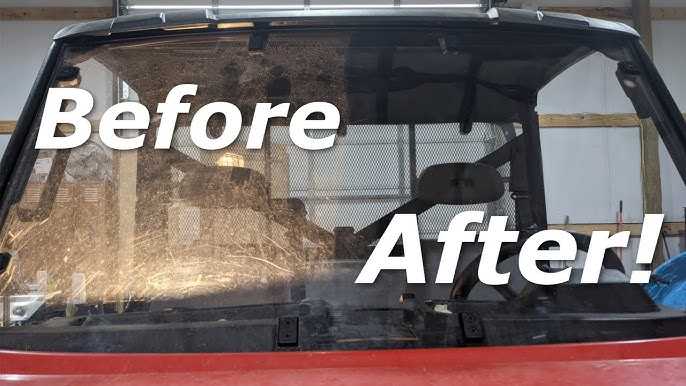
To quickly remove scratches from an acrylic windshield, gently polish the area with a plastic polish or a mild abrasive like toothpaste, then buff with a soft cloth. Using a scratch repair kit designed for plastics can also effectively restore clarity. Avoid harsh scrubbing or using abrasive materials that might worsen the damage.
If your acrylic windshield has scratches, don’t worry! With a few simple techniques and the right products, you can make your windshield look almost new again. The key is to be gentle and patient, as aggressive scrubbing can make scratches worse. Whether the scratches are minor or a bit deeper, there are easy home remedies and specialized kits that can help you restore the clarity of your acrylic and keep your view crystal clear. In this article, we’ll explore proven methods to rid your acrylic windshield of scratches quickly and safely.

How to Remove Scratches from Acrylic Windshield
Understanding Acrylic Windshields and Their Vulnerability to Scratches
Acrylic windshields are popular because they are lightweight and resistant to shattering. However, they can easily get scratched from road debris, cleaning tools, or even everyday use. Knowing how these scratches form helps in choosing the right repair method.
Assessing the Depth of the Scratch
Before attempting to fix a scratch, examine its depth carefully. Light surface scratches tend to be less harmful and easier to polish out, while deeper scratches may require more intensive repair. Use a flashlight to illuminate the scratch and compare its appearance across the surface.
Surface Scratches
Light scratches only affect the top clear layer. They often appear as faint lines or smudges that can be polished away easily. These scratches do not penetrate deeply and usually do not compromise the structural integrity of the windshield.
Deeper Scratches
Deeper scratches go further into the acrylic material and might cause a noticeable dip or rough area. These require more aggressive smoothing techniques and sometimes filler material to fully restore the surface.
Gathering Necessary Tools and Materials
To effectively remove scratches, gather some simple supplies. You will need:
- Microfiber cloths
- Plastic polish or acrylic-specific polishing compound
- Polishing pads or soft cloth applicators
- Displex or novus scratch remover
- Water and mild soap for cleaning
- Sandpaper with very fine grit (2000 or higher)
- Masking tape (optional for protecting edges)
Optional Advanced Tools
For deeper scratches, consider using a rotary polishing tool with a soft pad or even a small power buffer. However, caution is necessary to avoid further damage.
Preparing the Acrylic Windshield
Proper preparation makes the repair process easier and more effective. Start by cleaning the surface thoroughly with water and mild soap to remove dirt, dust, and grime. Use a microfiber cloth to dry the area completely.
Cleaning the Surface
Ensure there are no particles on the surface that could cause additional scratching during polishing. For stubborn dirt, use a gentle plastic cleaner or a dedicated acrylic cleaner.
Protect Surrounding Areas
If you are working on a specific spot, use masking tape to cover areas around the scratch. This protects the undamaged surface and helps you focus on the problem area.
Polishing Light Surface Scratches
For minor scratches, polishing is usually enough. Use a commercial acrylic polish or scratch remover that is designed specifically for plastics.
Applying the Polish
Apply a small amount of polish onto a soft cloth or polishing pad. Rub it into the scratch using circular motions, applying gentle pressure. Continue polishing for about 2 to 5 minutes.
Buffing the Surface
After applying polish, use a clean microfiber cloth to buff the area. This removes residue and brings out the shine. Repeat the process if necessary until the scratch is less visible.
Using Fine Grit Sandpaper for Deeper Scratches
Deep scratches often require wet sanding with very fine grit sandpaper. This process smooths the rough edges of the scratch.
Steps for Sanding
– Wrap the sandpaper around a soft block or use it directly if you are experienced.
– Wet the surface and the sandpaper to reduce heat and prevent further scratching.
– Gently sand the scratched area using light, circular motions.
– Keep the area wet throughout the process.
– Periodically wipe away residue to check progress.
Follow with Polishing
Once the scratch is minimized, switch to a polishing compound to restore clarity. Finish with a clean cloth and acrylic polish for a smooth, shiny surface.
Applying Filler for Very Deep Scratches or Gouges
If sanding alone doesn’t work, you might need to fill the scratch with a clear acrylic filler.
Selection of Fillers
Use a compatible acrylic or plastic filler that matches the original material’s transparency. These are available at hardware stores or online.
Filling Procedure
– Clean and dry the area thoroughly.
– Apply the filler with a fine applicator, carefully filling the scratch.
– Allow it to dry as per manufacturer instructions.
– Lightly sand the filled area with very fine grit sandpaper to make it flush with the surrounding surface.
– Finish with polishing to restore clarity.
Preventing Future Scratches
To keep your acrylic windshield in top condition, take a few simple precautions. Always use soft, non-abrasive cloths for cleaning. Avoid harsh chemicals that can weaken the surface. Park your vehicle away from harsh environments and debris when possible.
Proper Cleaning Techniques
Use duster cloths and plastic-safe cleaning sprays. Never scrub aggressively, as this can create new scratches. Clean in a gentle circular motion.
Protective Measures
Consider applying a protective coating or film designed for acrylic surfaces. Regularly inspect for scratches and clean promptly to prevent dirt from causing additional damage.
Summary of Best Practices
– Start with gentle cleaning and assessment.
– Use appropriate polishing compounds for surface scratches.
– For deeper scratches, proceed with wet sanding and filler applications.
– Always work in a well-lit area and follow safety precautions.
– Regular maintenance and protective measures can significantly reduce future scratches.
Related Topics
Many get confused about how to care for acrylic versus glass windshields. It’s important to distinguish the right cleaning products and techniques for each. Additionally, understanding the different types of acrylic repair kits available can help you choose the best solution.
This detailed guide provides all the necessary steps and tips on how to remove scratches from acrylic windshields effectively. By following these instructions carefully, you can restore clarity and extend the life of your acrylic windshield.
Scratch Removal Plastic Windshield Polish UTV boat motorcycle snowmobile Polycarbonate
Frequently Asked Questions
What steps can I take to minimize the appearance of scratches on my acrylic windshield?
To reduce the visibility of scratches, clean the windshield thoroughly with a soft, non-abrasive cloth and a gentle cleaning solution. After cleaning, apply a specialized acrylic polish or a plastic polish designed for automotive surfaces. These products can fill in minor scratches and restore clarity. Always follow the manufacturer’s instructions for best results and avoid applying excessive pressure during polishing.
Are there any household items that can help in removing scratches from acrylic windshields?
Yes, certain household items can help minimize scratches. A common approach involves using a mixture of baking soda and water to create a paste. Gently rub this paste onto the scratched area with a soft cloth in circular motions. This mild abrasive can help diminish minor scratches. Afterward, rinse the area with clean water and dry thoroughly. Remember, this method works best for small, shallow scratches and should be used carefully to avoid worsening the damage.
Which products are most effective for repairing deeper scratches on acrylic windshields?
For deeper scratches, consider using a professional-grade acrylic or plastic repair kit. These kits typically include a polishing compound, applicator pads, and sometimes a filler to level out deeper grooves. Carefully follow the instructions provided with the kit, and consider testing on a small, inconspicuous area first. If scratches are extensive or severe, consulting a professional for repair or replacement may be the best option to ensure safety and clarity.
Final Thoughts
To remove scratches from an acrylic windshield, start by cleaning the surface thoroughly to remove dirt and debris. Use a specialized acrylic polish or a gentle polish compound to buff out minor scratches with a soft cloth. For deeper scratches, apply a plastic scratch remover and follow the instructions carefully.
Consistently maintaining the acrylic with proper cleaning and polishing can help prevent future scratches. Always use gentle products and avoid abrasive materials that can worsen the damage.
In conclusion, knowing how to remove scratches from acrylic windshield allows you to preserve your windshield’s clarity and integrity effectively. Regular maintenance and the right repair techniques ensure your windshield stays clear and undamaged.

Similar Posts