How Strong Is Car Glass: Understanding Its Durability
Senior Automotive Glass Diagnostic Specialist & Master Technician at CarGlassFix · AGSC Master Certified Auto Glass Technician, NGA Certified Installer, I-CAR Automotive Safety Specialist · 12+ Years in Automotive Glazing, Windshield Structural Bonding, ADAS Camera Calibration & Precision Chip Restoration
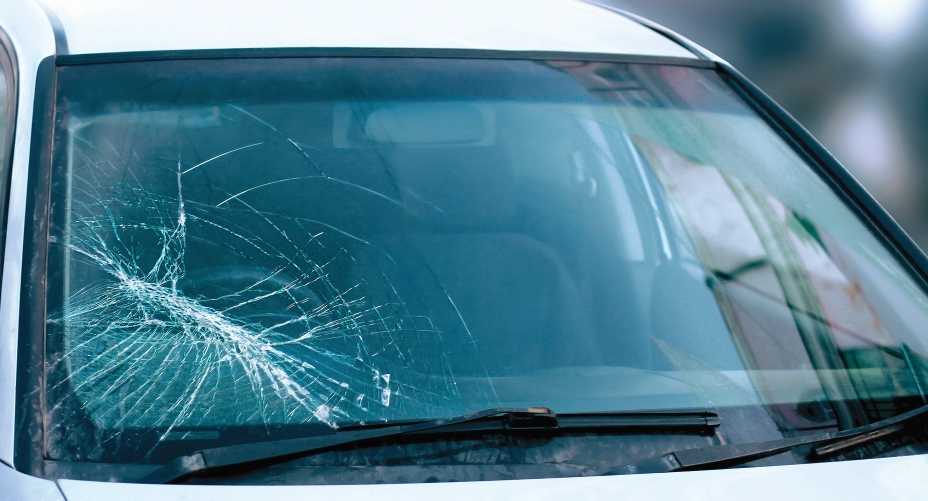
Car glass is surprisingly durable, designed to withstand impacts and protect passengers in various conditions. In fact, modern automotive glass is engineered to be strong yet lightweight, making it an essential safety feature in vehicles.
In a nutshell, car glass is quite robust, primarily made from tempered or laminated glass that can absorb shocks and resist shattering. While it’s strong enough to handle everyday bumps and minor accidents, it’s not invincible; severe impacts can still cause damage or breakage. The strength of car glass plays a crucial role in vehicle safety, preventing injuries and ensuring visibility on the road. Keep reading to discover exactly how resilient your car’s windows really are and what makes them capable of keeping you safe behind the wheel.
Car glass is an integral part of vehicle safety, and its strength is often underestimated. Crafted from tempered or laminated glass, it is designed to withstand significant pressure, impacts, and temperature changes. Tempered glass, which is commonly used for side and rear windows, shatters into small, blunt pieces that reduce the risk of injury. Laminated glass, used for windshields, consists of two layers of glass bonded by a plastic layer that holds shards together, preventing deadly debris from entering the cabin during a collision. These technologies combine safety and durability, making car glass strong enough to handle everyday road hazards while providing clear visibility. Understanding the strength of car glass helps drivers appreciate the importance of proper maintenance and timely replacements to stay safe on the road.

How Strong Is Car Glass? An In-Depth Look at Its Strength and Durability
Understanding the Composition of Car Glass
Car glass is specially designed to withstand various impacts and environmental conditions while ensuring safety. Most car windows are made from two main types of glass: tempered glass and laminated glass. Tempered glass, used in side windows and back windows, is processed through rapid heating and cooling, making it four to five times stronger than regular glass. Laminated glass, found primarily in windshields, consists of two glass layers bonded with a plastic layer called polyvinyl butyral (PVB). This construction helps the windshield stay intact upon impact, preventing shards from flying into the vehicle.
The Strength of Tempered Glass
Tempered glass is engineered to endure significant forces. It can resist impacts from stones, debris, and other objects encountered during daily driving. The glass is designed to shatter into small, blunt pieces rather than sharp shards, reducing injury risk. Its breaking point requires a force of roughly 24,000 pounds per square inch (psi), about four times that of traditional glass. This high resistance makes it suitable for side and rear windows, where safety is paramount.
Impact Resistance of Tempered Glass
Impact resistance refers to how much force the glass can handle before breaking. Tempered glass can sustain drops and impacts from small objects without cracking. However, strong enough force, like a heavy object hitting it at high speed, will cause it to shatter. Despite that, its design minimizes injury risks because it breaks into tiny, less dangerous pieces.
Limitations of Tempered Glass
While very strong, tempered glass is not unbreakable. It can shatter under extreme pressure or force. It also cannot be drilled or cut after manufacturing, as this compromises its strength. Proper installation and maintenance are essential to maintaining its durability.
The Strength of Laminated Glass
Laminated glass is known for its exceptional durability in the windshield. Its layered structure gives it superior strength against impacts, pressure, and environmental factors. The plastic layer acts as a buffer, preventing the glass from shattering into dangerous shards and maintaining visibility even if broken.
How Laminated Glass Performs Against Impacts
Laminated glass can resist impacts from stones, bird strikes, and minor collisions. It can withstand forces of up to 12,000 psi before cracking or breaking. This strength is vital for protecting passengers and drivers by maintaining a barrier against debris and threats.
Resistance to Breakage and Penetration
The plastic interlayer ties the glass layers together, preventing penetration and reducing injury risk. Even when broken, laminated glass tends to stay largely intact. This feature is crucial for windshield safety, especially during accidents involving objects like hail or falling branches.
Factors Affecting Car Glass Strength
Numerous factors influence how strong car glass is in real-world conditions. Understanding these can help determine when to replace or repair glass to ensure safety.
Manufacturing Quality
High-quality manufacturing processes ensure the glass has uniform strength and minimal flaws. Lower-quality glass might contain invisible cracks or weaknesses, reducing its impact resistance. Always choose OEM (Original Equipment Manufacturer) glass for the best strength and safety.
Installation Methods
Proper installation is critical to maximize glass strength. Incorrect fitting can cause stress points, making the glass more vulnerable to breakage. Professional installation ensures secure fitting and proper sealing.
Environmental Conditions
Exposure to extreme temperatures, UV radiation, and weathering can weaken glass over time. UV degradation can cause the plastic layer in laminated glass to become brittle, while temperature fluctuations can create stress points leading to cracks.
Age and Wear
Over time, minor scratches and chips can accumulate, weakening the glass’s structural integrity. Regular inspections help identify potential weaknesses early and prevent safety hazards.
How Car Glass Compares to Standard Glass
Standard glass used in buildings or household applications does not match the strength of automotive glass. Car glass undergoes strict safety standards and specialized manufacturing processes to enhance its impact resistance and durability.
Standards and Regulations
Car glass must meet safety standards established by organizations like the American National Standards Institute (ANSI) and the International Organization for Standardization (ISO). These standards specify minimum strength, impact resistance, and safety features.
Comparison Table of Car Glass and Standard Glass
| Property | Car Glass | Standard Glass |
|---|---|---|
| Impact Resistance | High, withstands significant impact | Lower, easily breaks upon impact |
| Shattering Behavior | Breaks into small, blunt pieces (tempered) or stays intact (laminated) | Breaks into sharp shards |
| Durability | Designed for harsh conditions and impacts | Less durable, not impact resistant |
| Safety Features | Designed to reduce injury risk upon failure | High risk of injury if broken |
How to Maintain and Increase the Strength of Car Glass
Proper care can extend the life and strength of your car glass, ensuring safety on the road.
Regular Inspections
Check for chips, cracks, or scratches regularly. Small damages can grow over time and compromise strength. Addressing issues promptly helps prevent more severe damage.
Avoid Sudden Temperature Changes
Rapid shifts in temperature can induce stress in the glass, leading to cracks. Avoid pouring hot water on cold glass or exposing it to direct sunlight immediately after freezing.
Use Proper Cleaning Methods
Clean your windows with non-abrasive cloths and glass cleaner. Avoid harsh chemicals or abrasive materials that can cause scratches and weaken the glass surface.
Professional Repairs and Replacements
Always rely on qualified technicians for repairs or replacements. Proper installation and high-quality materials preserve the impact resistance of the glass.
The Future of Car Glass Technology
Advances continue to improve the strength and safety of car glass. New materials and manufacturing methods aim to make glass even more durable, lightweight, and resistant to various threats.
Smart Glass and Coatings
Emerging technologies include smart glass that can adjust transparency and coatings that repel debris or resist scratches. These innovations can further enhance impact resistance and longevity.
Enhanced Impact Resistance Materials
Researchers are exploring new composite materials that could replace traditional glass, offering even higher impact resistance and better safety features.
Car glass is engineered to offer a high level of strength and safety, with tempered and laminated types serving different purposes. Its ability to endure impacts, environmental stressors, and everyday wear depends on quality, installation, and maintenance. Understanding how strong car glass is helps drivers make informed decisions about repairs and replacements, ensuring safety on every journey. Advances in technology promise even more resilient materials in the future, making car glass an essential component of vehicle safety.
How hard is a normal car glass compared to the Tesla Cybertruck glass
Frequently Asked Questions
What materials are used to make strong car glass?
Car glass is typically manufactured using tempered or laminated safety glass. Tempered glass is treated with heat to increase its strength and shatter into small, less dangerous pieces upon impact. Laminated glass consists of two glass layers bonded with a plastic interlayer, which holds the glass together if broken, preventing shards from causing injuries. These materials ensure that the glass can withstand impacts and resist breaking under normal driving conditions.
How does the thickness of car glass influence its strength?
The thickness of car glass significantly affects its durability and resistance to impacts. Thicker glass generally offers higher strength and better ability to withstand external forces, such as debris or collision impacts. Manufacturers carefully determine the optimal thickness for different parts of the vehicle to balance safety, visibility, and weight, ensuring the glass remains intact during typical accidents or road hazards.
Can car glass withstand extreme weather conditions?
Yes, high-quality car glass is designed to endure various weather conditions. It resists cracking or shattering caused by temperature fluctuations, such as hot sun or freezing cold. The materials used, along with special coatings, help maintain the integrity of the glass, providing safe visibility and structural stability even during severe weather events like hailstorms or heavy rain.
Final Thoughts
Car glass undergoes rigorous testing to ensure safety and durability. It is designed to withstand impacts, resist shattering, and maintain structural integrity during accidents. The materials and manufacturing processes make it strong yet flexible, offering both protection and visibility.
In conclusion, how strong is car glass depends on its construction and quality standards. It is engineered to absorb shocks and prevent injuries, making it a reliable defensive feature. Overall, car glass is built to protect occupants effectively, combining strength with transparency.

Similar Posts