Which Glass Is Used In Car Windshield Laminated Or Tempered

Laminated glass is used in car windshields because it offers better safety and durability. When struck, it tends to stay intact, preventing dangerous shards from flying everywhere, unlike tempered glass which shatters into small, blunt pieces. The main choice for windshields is laminated glass, thanks to its safety benefits and ability to stay together upon impact.
In short, laminated glass is the preferred material for car windshields due to its strength and safety features, while tempered glass is more commonly used for windows and side glass. Laminated glass consists of two layers of glass with a plastic layer in between, providing superior protection in case of accidents.
Driving through busy streets or on highways, the type of glass in your windshield plays a vital role in safety. Laminated glass’s unique construction absorbs shocks better, making it the ideal choice for the front view in your vehicle. Tempered glass, although strong, is designed to break into small pieces, which isn’t suitable for the main windshield. Understanding the difference helps drivers appreciate why manufacturers choose laminated glass for the most critical part of your car’s glasswork.

Which Glass Is Used in Car Windshield: Laminated or Tempered?
Understanding the Basics of Car Windshield Glass
Car windshields are vital for driver safety and vehicle integrity. They protect occupants from wind, debris, and insects while maintaining structural support. The glass used in windshields must meet strict safety standards, which is why not all glass types are suitable for this purpose.
What Is Laminated Glass?
Laminated glass is made by bonding two or more layers of glass with a thin layer of polyvinyl butyral (PVB) in between. This composition results in a strong, durable sheet that holds together even if cracked. Laminated glass is the most common choice for vehicle windshields due to its safety features.
How Laminated Glass Is Made
The manufacturing process involves stacking glass sheets with PVB film, then heating and pressing them to fuse tightly. This process ensures the layers bond strongly, creating a single, uniform sheet. The result is glass that can withstand impact and resist shattering into dangerous shards.
Advantages of Laminated Glass for Windshields
- Prevents deadly glass shards from flying into the vehicle in case of breakage.
- Offers UV protection, reducing interior fading.
- Provides sound insulation, making the ride quieter.
- Supports the structural integrity of the vehicle during crashes.
What Is Tempered Glass?
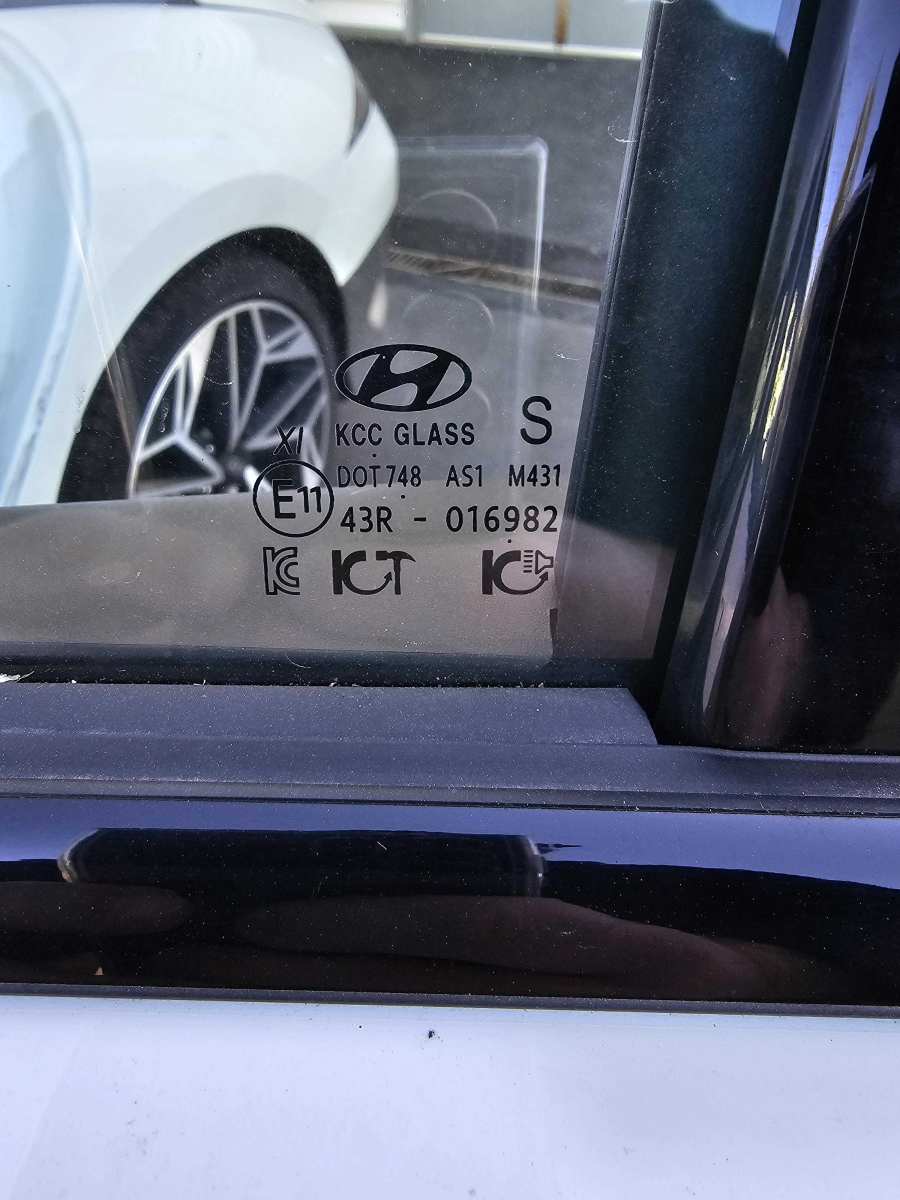
Tempered glass is processed through controlled heat treatment, making it up to four times stronger than regular glass. It is designed to shatter into small, blunt pieces rather than sharp shards when broken. Tempered glass is widely used in side and rear windows of vehicles.
How Tempered Glass Is Manufactured
The process involves heating glass to around 650 degrees Celsius, then rapidly cooling it with jets of air. This creates a state of compression on the outer surfaces and tension inside, giving it increased strength. Tempered glass must meet specific safety standards for vehicle use.
Advantages of Tempered Glass in Vehicles
- Breaks into small, less dangerous pieces, reducing injury risk.
- Highly resistant to impact and thermal stress.
- Easy to replace and widely available.
- Used in vehicle doors, side windows, and sunroofs.
Why Laminated Glass Is the Standard for Windshields
Laminated glass is preferred for windshields mainly because of its safety benefits. When impacted, it does not shatter into sharp fragments, keeping occupants protected. Its ability to stay intact even after cracks enhances vehicle safety during accidents.
Safety and Security Aspects
Laminated windshields hold together during sudden impacts. This prevents dangerous debris from entering the cabin. It also provides additional security against break-ins as the glass does not easily give way to intruders.
Structural Support and Aerodynamics
Laminated glass offers structural support, maintaining the windshield’s shape during collisions. Its strength also improves the vehicle’s aerodynamics and noise reduction, enhancing overall driving comfort.
Why Tempered Glass Is Not Used as Windshields
While tempered glass is very strong, it is not suitable for windshields because it shatters into small pieces upon impact. This characteristic can pose risks during crashes where large, sharp shards could injure occupants. Tempered glass is better suited for side and rear windows.
Limitations of Tempered Glass in Windshields
- Shatters into many small pieces, making cleanup hazardous.
- Less effective at holding together during crashes.
- Less optical clarity and durability required for a windshield.
Comparing Laminated and Tempered Glass
| Feature | Laminated Glass | Tempered Glass |
|---|---|---|
| Usage in Vehicles | Primary material for windshields | Used mainly for side and rear windows |
| Breakage Pattern | Cracks but stays together; only the PVB layer holds fragments | Shatters into small, blunt pieces |
| Impact Resistance | Excellent, absorbs shocks | High, resists impact but breaks into pieces |
| Safety in Crashes | High; reduces injury risk | Moderate; shards can cause injury |
| Cost | Generally more expensive | Less costly, easier to replace |
Additional Insights About Glass Types in Vehicles
While laminated glass dominates windshields, some vehicles now feature special coatings or enhanced laminates for extra safety and comfort. Tempered glass remains common for side windows, rear windshields, and sunroofs because of its strength and shattering properties.
Innovations in Automotive Glass
Recent advancements include:
- Photochromic coatings that adjust tint based on sunlight.
- Color-tinted laminates for aesthetic appeal and glare reduction.
- UV-blocking layers for passenger comfort.
Summary of Key Points
– Windshields are made with **laminated glass** to ensure safety and durability.
– **Tempered glass** is used for side and rear windows, offering strength but shattering into small pieces.
– The choice hinges on safety regulations, impact resistance, and the specific needs of vehicle design.
– Laminated glass provides better protection during accidents by preventing dangerous shards.
This comparison helps car manufacturers, drivers, and safety experts make informed decisions. Knowing which glass type is used in different parts of the vehicle enhances understanding of automotive safety standards and features.
Auto Glass Comparison (Laminated vs Tempered)
Frequently Asked Questions
What are the main differences between laminated and tempered glass used in car windshields?
Laminated glass consists of two glass layers bonded together with an interlayer of polyvinyl butyral (PVB), providing high impact resistance and preventing shattering into sharp pieces. Tempered glass, on the other hand, is heat-treated to increase its strength; when broken, it fractures into small, blunt pieces to reduce injury risk. Car windshields primarily use laminated glass for safety and durability, while tempered glass is more common in side and rear windows.
Why is laminated glass preferred for car windshields over tempered glass?
Laminated glass offers superior safety features for windshields because it holds together when shattered, maintaining visibility and preventing glass shards from entering the vehicle. Its strong bond and flexibility absorb impacts, making it more suitable for the front windshield, which needs to withstand various forces and protect occupants during accidents. Tempered glass, although stronger, breaks into small pieces that pose a higher risk in the context of windshields.
Can tempered glass be used for car windshields instead of laminated glass?
While tempered glass can theoretically be used for windshields, manufacturers prefer laminated glass because it provides better safety and clear visibility. Tempered glass breaks into small, less dangerous pieces, but it does not offer the same impact resistance and bonding strength crucial for front windshields. Due to safety regulations, laminated glass remains the standard choice for windshields in most vehicles.
What role does the interlayer in laminated glass play in vehicle safety?
The interlayer in laminated glass, typically made from polyvinyl butyral, holds the glass sheets together even if the glass cracks. This feature prevents shards from dispersing into the vehicle cabin, maintaining the structural integrity of the windshield during impacts. It also enhances the ability of the windshield to absorb energy from collisions, ultimately protecting the occupants.
Are there any advantages of using tempered glass for vehicle windows other than windshields?
Tempered glass offers advantages such as increased strength and resistance to impact, making it ideal for side and rear windows where safety standards prioritize shattering into small, less hazardous pieces. Its ability to withstand temperature fluctuations and mechanical stresses also extends the durability of vehicle windows in various conditions. However, for windshields, laminated glass remains the preferred choice due to safety considerations.
Final Thoughts
which glass is used in car windshield laminated or tempered is an important question for vehicle safety. laminated glass is primarily used because it holds together when shattered, providing better protection. Tempered glass, although strong, breaks into small pieces, which can be dangerous.
Laminated glass consists of two layers of glass with a plastic layer in between. This design ensures safety by preventing large shards from causing injury.

Similar Posts