How To Repair Laminated Glass Crack Effectively

If you notice a crack in your laminated glass, act quickly to prevent it from spreading further. Applying a professional repair kit or consulting a glass specialist can save you time and money. For minor cracks, a resin injection can often restore the glass’s integrity, but larger fractures may require replacement.
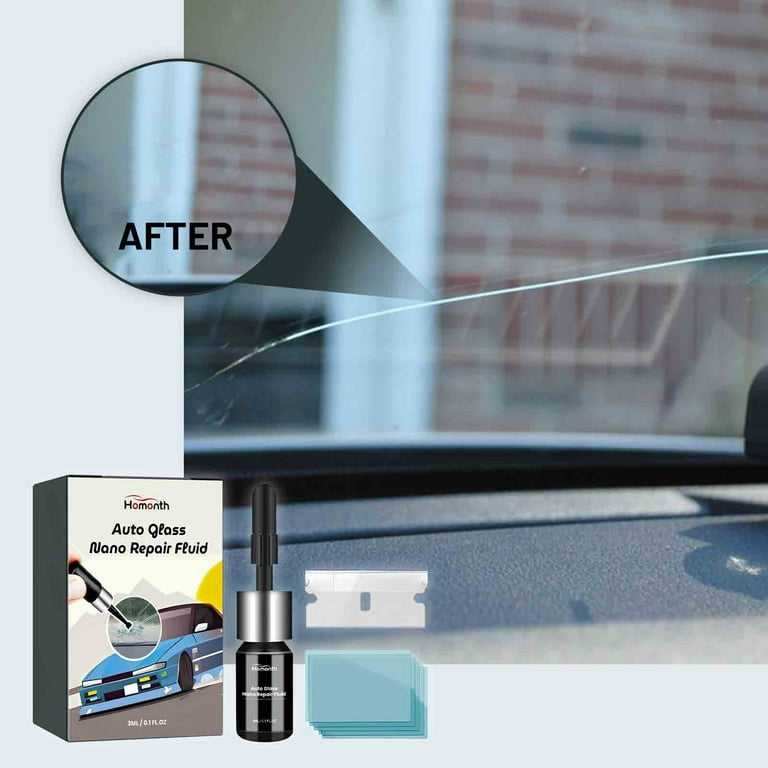
To repair laminated glass cracks, clean the affected area thoroughly, then use a suitable resin or epoxy designed for glass repairs. Carefully inject or apply the resin into the crack, allowing it to cure properly before testing the strength of the repair. If the crack is extensive, replacing the glass might be the safest option to ensure safety and durability.
Cracked laminated glass can seem daunting, but with the right approach, it can often be repaired effectively. Laminated glass, which is made of two or more glass layers bonded together with interlayer films like polyvinyl butyral (PVB), is designed to hold together even when cracked. However, cracks can compromise safety and clarity, so understanding how to address them is essential. Whether it’s a small surface crack or a larger fracture, tackling the problem promptly can prevent further damage and extend the life of your glass. This guide will walk you through simple steps to repair minor cracks yourself and advise when professional help is needed to ensure your laminated glass remains secure and looking its best.

How to Repair Laminated Glass Crack
Understanding Laminated Glass and Its Structure
Laminated glass consists of two or more layers of glass bonded together with a durable plastic interlayer, usually polyvinyl butyral (PVB). This design helps hold the glass together even if it cracks, providing safety and security. Because of its layered structure, repairing laminated glass requires careful attention to both the cracks and the plastic layer.
Assessing the Damage: Is It Repairable?
Before starting any repair, examine the crack closely. Small, surface-level cracks are often repairable, but large or deep cracks may need professional replacement. Look for signs of delamination, where the layers start to separate, indicating more extensive damage.
Tools and Materials Needed for Repair
To repair laminated glass cracks effectively, gather essential tools and materials:
- Safety goggles and gloves for protection
- Glass cleaner and cloth for cleaning
- Epoxy resin or specialized glass repair kit
- Syringe or applicator for resin application
- Plastic scraper or putty knife
- UV light or sunlight for curing
Having these supplies ready ensures a smoother repair process and better results.
Step-by-Step Repair Process
1. Safety First
Always wear safety goggles and gloves to prevent injuries from shattered glass or chemical exposure. Ensure the area is well-ventilated, especially when working with adhesives or resins.
2. Clean the Damaged Area
Use a glass cleaner and a soft cloth to remove dust, dirt, and grease from the crack area. Cleanliness is vital for proper adhesion of repair materials.
3. Prepare the Resin or Repair Kit
Follow the manufacturer’s instructions to mix epoxy resin or prepare the repair compound. Proper mixing ensures strength and durability.
4. Applying the Repair Material
Using a syringe or applicator, carefully inject the resin into the crack. Ensure the resin penetrates deep into the crack to bond the layers effectively. Use a plastic scraper to remove excess material carefully.
5. Curing the Repair
Allow the resin to cure as per product instructions. Use UV light or direct sunlight if recommended, which helps harden the resin quickly and ensures solid adhesion.
6. Finishing Touches
After curing, gently sand any excess resin to make the surface smooth. Clean the area again, removing any residue and restoring clarity.
Additional Techniques for Better Repair Results
Using a Polymer Binder
In cases of extensive cracks, a polymer binder can help hold broken pieces together temporarily before a complete replacement. It adds extra strength and minimizes further damage until professional repair.
Applying a Clear Protective Coating
Once the crack is repaired, applying a clear protective coating can prevent future damage. This layer shields the glass from scratches and environmental factors like UV rays or moisture.
When to Seek Professional Help
If the crack is large, deep, or near the edges where structural integrity is compromised, consult a professional glazier. Major damage can weaken the glass and pose safety risks, making expert intervention necessary.
Prevention Tips to Avoid Future Cracks
Preventing cracks is better than repairing them. Consider these tips:
- Avoid sudden impacts or strong hits to the glass
- Use protective films or curtains in high-traffic areas
- Maintain building structures to prevent shifts or stress on the glass
- Regularly inspect for early signs of damage
DIY vs. Professional Repair: What Are the Pros and Cons?
DIY repairs are cost-effective and convenient for minor cracks, but they require patience and care. Professional repairs guarantee quality work, especially for large or complicated cracks, but can be more costly and involve longer wait times.
Cost Considerations for Repairing Laminated Glass
The cost depends on factors like crack size, location, and whether you choose DIY or professional services. Small repairs may cost less than fifty dollars, while extensive damage or replacement can reach hundreds of dollars. Always get multiple quotes before proceeding.
Environmental Factors Impacting Laminated Glass Damage
Extreme weather conditions, such as hail, temperature fluctuations, or strong winds, can cause cracks in laminated glass. Understanding these factors allows you to take preventive steps and prolong the lifespan of your glass.
Common Mistakes to Avoid During Repair
Avoid these errors to ensure a successful repair:
- Applying resin over dirty or greasy surfaces
- Using excessive resin, leading to uneven surfaces
- Failing to cure the resin properly
- Not inspecting the repair after curing for any imperfections
Related Topics
Explore additional topics that complement laminated glass repair:
Replacing Laminated Glass: When Is It Necessary?
Choosing the Right Glass for Your Needs
Safety Measures When Handling Broken Glass
Environmental Impact of Glass Recycling and Disposal
This comprehensive approach provides all necessary information on how to repair laminated glass crack effectively. Proper assessment, precise application of repair materials, and diligent maintenance help extend the life of laminated glass and maintain safety.
How to Use a Glass Repair Kit – Fix Cracked Windows Like a Pro! #automobile #diy #art #cartok
Frequently Asked Questions
What steps should I take immediately after noticing a crack in laminated glass?
When you see a crack in laminated glass, act promptly to prevent it from spreading further. First, clean the area around the crack with a soft, damp cloth to remove dirt and debris. Avoid applying pressure on the crack, as this can make it worse. If possible, place a piece of clear tape over the crack to hold the glass together temporarily. For a long-term fix, consider consulting a professional to evaluate the extent of the damage and explore repair options.
Can I repair a laminated glass crack myself, or should I hire a professional?
Small cracks sometimes can be repaired at home using specialized resin kits designed for glass repairs. However, these solutions work best on minor damage and may not restore the structural integrity fully. Larger or more complex cracks require professional assessment and repair. Skilled technicians have the proper tools and materials to ensure a safe and effective fix, especially if the glass is part of a load-bearing structure like a windshield or balcony panel.
What materials are necessary for repairing laminated glass cracks effectively?
Effective repair of laminated glass involves using a high-quality resin specifically formulated for glass restoration. You’ll also need a clean applicator, such as a syringe or applicator tool, to inject the resin into the crack. To ensure a smooth finish, prepare a cleaning solution to remove contaminants, and have a UV light or sunlight available to cure the resin properly. Safety gear like gloves and goggles help protect you during the repair process.
How can I prevent a crack from worsening after noticing it in laminated glass?
To prevent the crack from spreading, avoid applying pressure or making sudden temperature changes to the glass. Keep the glass clean and free of debris, and consider applying a clear adhesive tape over the crack temporarily. If the damage is minor, schedule a professional repair as soon as possible. Protecting the glass from additional stress and environmental factors helps maintain its integrity until a proper fix is performed.
What are the limitations of repairing laminated glass cracks, and when should I consider replacing the entire panel?
Repairs can effectively address small, superficial cracks, but they might not restore the full strength of the glass. If the crack is extensive, runs across the entire panel, or compromises structural safety, replacing the entire piece is advisable. Additionally, any damage affecting visibility or causing sharp edges poses safety risks, making replacement the best option to ensure safety and durability.
Final Thoughts
To repair laminated glass crack effectively, identify the severity of the damage first. Use a suitable resin or adhesive designed for glass repairs and carefully apply it to the crack. Ensure the area is clean and free of debris before starting the repair process.
Follow the product instructions closely and allow sufficient curing time. For minor cracks, this method can restore strength and clarity.
In conclusion, knowing how to repair laminated glass crack requires patience and proper technique. Apply the resin evenly, avoid rushing, and always prioritize safety.

Similar Posts