What Is Safety Glass On A Car And Why It Matters
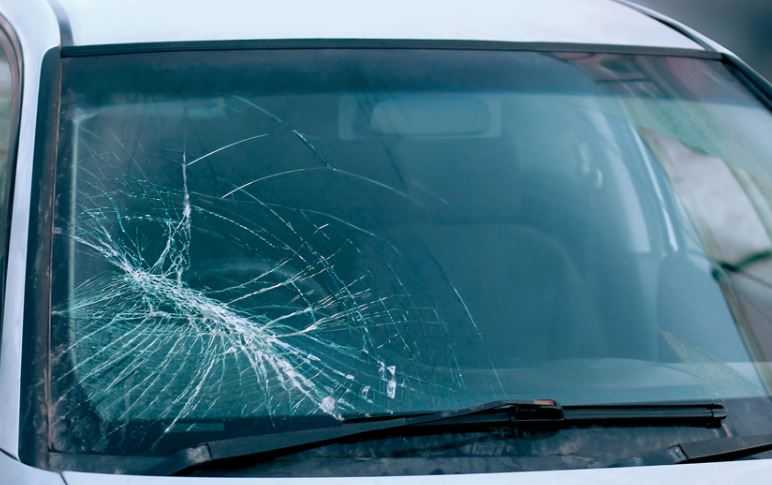
Safety glass on a car is specially designed to protect passengers by minimizing injury during accidents. It’s made to shatter into small, blunt pieces rather than sharp shards, which reduces the risk of cuts and serious injuries. Essentially, it’s a crucial safety feature that enhances both vehicle security and passenger protection.
In brief, safety glass in cars refers to specially treated glass that breaks into less harmful fragments upon impact. It is used in windshields and sometimes in side and rear windows to ensure that, in case of an accident or breakage, the glass does not cause additional harm. This innovative material helps keep travelers safe and is an essential part of automotive safety standards.
When you think about the glass on your car, safety isn’t the first thing that comes to mind, but it plays a vital role in protecting everyone inside. Unlike regular glass, safety glass is engineered with specific properties that make it both durable and safer in accidents. It’s typically made using two types: tempered glass and laminated glass, each serving a different purpose but sharing the common goal of safety. Tempered glass is heated and cooled to increase strength, breaking into small, less dangerous pieces, perfect for side and rear windows. Laminated glass, on the other hand, consists of two layers of glass bonded with a plastic interlayer, which keeps the glass together even if shattered, making it ideal for windshields. Understanding these materials helps appreciate how modern vehicles prioritize safety and passenger wellbeing in everyday driving and unfortunate accidents alike.

What is Safety Glass on a Car?
Safety glass on a car is specially designed glass that helps protect passengers during accidents and impacts. Unlike regular glass, it has unique features that prevent dangerous shards from causing injuries. Understanding what safety glass is helps car owners appreciate its importance in vehicle safety.
Types of Safety Glass Used in Cars
Tempered Glass
Tempered glass is by far the most common type used in car windows, especially side and rear windows. It is made by heating glass until it’s soft and then cooling it rapidly. This process makes the glass much stronger than regular glass.
If tempered glass breaks, it shatters into tiny, harmless pieces rather than large, sharp shards. This reduces the risk of cuts and injuries during accidents or breakage.
Laminated Glass
Laminated glass is primarily used in windshields. It consists of two layers of glass bonded together with a plastic layer called polyvinyl butyral (PVB). This plastic layer holds the glass together if it breaks, preventing shards from flying into the vehicle.
In addition to safety, laminated glass provides better sound insulation and UV protection, making it a versatile choice for modern vehicles.
How Safety Glass Works
Impact Resistance
Safety glass is designed to withstand impacts better than regular glass. Tempered glass, for instance, can handle sudden shocks and pressure without shattering easily. Laminated glass absorbs energy from impacts, reducing the chances of the glass breaking entirely.
This resistance is achieved through specialized manufacturing processes that strengthen the glass, making it a reliable component in automotive safety systems.
Breakage Patterns
When safety glass does break, it follows specific patterns. Tempered glass crumbles into small granular pieces. Laminated windshields tend to crack without falling apart because the plastic layer holds the fragments together. This characteristic helps safeguard passengers from flying debris.
These breakage patterns are vital in preventing injuries during accidents involving shattered glass.
Benefits of Using Safety Glass in Vehicles
Enhanced Passenger Safety
- Reduces risk of cuts and lacerations during accidents
- Helps keep passengers inside the vehicle after a crash
- Prevents large shards from flying into the cabin
Improved Structural Integrity
Safety glass contributes to the overall strength of the vehicle’s structure, especially in the windshield. It maintains the shape of the vehicle’s frame during collisions, providing better protection.
In turn, this increases the safety of the occupants and supports the vehicle’s crumple zones.
Legal and Insurance Requirements
- Most countries require the use of safety glass in all vehicle windows
- Insurance policies often cover damages involving safety glass breakage
- Using standard safety glass is a legal mandate for roadworthiness
Manufacturing Process of Safety Glass
Tempered Glass Production
Tempered glass begins as normal annealed glass. It is then heated in an oven to about 620°C (1148°F) and cooled rapidly with jets of cold air. This quick cooling causes surface tension that strengthens the glass.
Quality control checks ensure the glass meets safety standards before installation in vehicles.
Laminated Glass Production
Manufacturers layer two sheets of glass with a PVB plastic sheet in between. This assembly is heated and pressed under high pressure to fuse the layers together thoroughly. The final product is durable and capable of handling impact without shattering.
High-quality laminates are tested for clarity, strength, and safety compliance.
Common Regulations and Standards
International Safety Standards
Car safety glass must comply with standards set by organizations like the American National Standards Institute (ANSI) and the European Union’s ECE regulations. These standards specify the minimum strength, impact resistance, and quality requirements.
Certified safety glass bears marks such as the ECE mark or ASTM certification, indicating compliance.
Compliance and Certification
- Vehicle manufacturers must source glass that meets safety standards
- Replacement glass must also adhere to these regulations
- Failure to comply can result in safety hazards and legal issues
Differences Between Safety Glass and Regular Glass
Material Composition
Regular glass is made without special treatments and is prone to shattering into large shards. Safety glass is engineered with materials and processes that enhance strength and safety.
This difference makes safety glass crucial for protecting vehicle occupants.
Breakage Behavior
Regular glass breaks into sharp, dangerous pieces, increasing injury risk.
Safety glass breaks into small, less harmful particles or stays intact, reducing injuries in accidents.

Similar Posts


















