How To Detect Laminated Windshield Damage Effectively

To quickly spot laminated windshield damage, look for spiderweb cracks, chips, or cloudy spots on the glass surface. Tap gently around the area—if it produces a hollow sound, it might be compromised. Use a flashlight to check for discoloration or signs of delamination—where the layers of glass start to separate.
In short, detecting damage involves inspecting for cracks, cloudiness, or bubbling within the windshield. Pay attention to areas affected by impacts or sudden temperature changes, as these are common signs of laminate failure. Regular visual checks and gentle probing can help identify issues early before they worsen.
Damaged windshields are more than just an eyesore; they can compromise your safety on the road. Laminated windshields are made of two layers of glass bonded with a plastic layer in between, making damage detection a bit trickier than with regular glass. Recognizing signs of damage early is essential for ensuring your windshield remains strong and effective. Whether it’s small cracks, chips, or delamination, knowing what to look for can save you money and prevent dangerous driving conditions. Keep an eye out for visible cracks, bubbling, or hazy spots—these often indicate that the integrity of the laminate has been compromised and need immediate attention.

How to Detect Laminated Windshield Damage
Understanding how to spot damage on a laminated windshield is important for vehicle safety and cost savings. Laminated windshields are made with a layer of vinyl between two glass layers, which makes them different from other types. Recognizing damage early can prevent further issues and keep you safe on the road.
What Is a Laminated Windshield?
A laminated windshield consists of two layers of glass bonded together with a strong plastic film called polyvinyl butyral. This construction helps prevent the glass from shattering into dangerous shards during an accident. It also offers better protection against UV rays, reducing interior damage and fading.
Common Types of Damage to Look Out For
Damage to laminated windshields can take many forms. Here are some common issues:
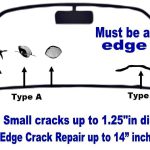
- Cracks: Usually appear as lines running across or spreading from a point of impact.
- Pits and Chips: Small holes or marks caused by stones or debris.
- Splinters or Delamination: When the layers begin to separate or peel apart.
- Blisters or Bubbles: Air pockets trapped between layers causing visible bumps.
Tools and Techniques for Detecting Damage
Visual Inspection
The first step is a careful visual check. Use good lighting and look at the windshield from multiple angles. Pay close attention to any cracks or chips. Use a flashlight to see deeper into thin cracks.
Use of a Flashlight and Magnifying Glass
A flashlight can highlight tiny cracks or pits that are hard to see with the naked eye. A magnifying glass helps examine small damages more closely, ensuring you don’t miss minor issues that could worsen over time.
Checking for Delamination
Delamination appears as cloudy or hazy patches. Run your fingers gently across the surface to detect any areas that feel rough or uneven. Delaminated areas may also produce a soft popping or cracking sound when pressed lightly.
Significance of the Sun and Lighting Conditions
Sunlight can reveal damages not visible in other conditions. Hold a bright light or find a sunny spot to see if cracks or delamination become more apparent. Shadows cast by the damage can make defects easier to identify.
Performing a Water Test
Spray water lightly over the windshield. Look for water seeping into cracks or chips because this indicates active damage. Water infiltration can weaken the glass and lead to delamination if ignored.
Assessing the Extent of Damage
Size and Location
Damage near the driver’s line of sight is more serious. Large cracks or chips over 6 millimeters in size may require immediate repair or replacement. The location also affects safety and the ability to see clearly.
Pattern and Spread of Cracks
Cracks that spread quickly or form a web pattern are more concerning. Keep track of any new cracks or changes over time to determine whether repairs are needed soon.
Understanding When Professional Inspection Is Necessary
While many minor damages can be inspected at home, large or complex cracks should be checked by a professional. They can determine if the damage affects windshield integrity or safety standards.
Additional Tests for Laminated Windshield Damage
Ultraviolet Light Testing
UV light can reveal delamination or small cracks that are not visible in normal light. This method is especially useful for inspecting hidden damage or areas prone to delamination.
Infrared and Optical Scanning
Advanced technicians may use infrared or optical scanners to detect internal damage or delamination. These tools provide detailed images and data about the condition of the windshield layers.
Preventing Further Damage
After identifying damage, avoid extreme temperature changes or rough cleaning, which can worsen cracks or cause delamination. Use gentle cleaning methods and park in shaded areas to minimize stress on the glass.
Related Topics
- Differences between laminated and tempered glass
- The importance of regular windshield inspections
- Steps to repair minor chips and cracks
- When to replace a damaged windshield for safety reasons
Learning how to detect laminated windshield damage ensures your safety and can save you money. Regular inspections and prompt repairs can prevent small problems from becoming big hazards. Remember, paying close attention to cracks, chips, and delamination is key to maintaining a safe driving environment.
Know what to expect when you repair your windshield with Safelite AutoGlass
Frequently Asked Questions
What visual signs indicate that a laminated windshield might be damaged?
Look for cracks, chips, or hazy discolorations on the windshield. Yellowing or cloudiness along the edges can also suggest damage within the lamination. These visual cues often signal that the protective layer is compromised, even if the damage isn’t immediately obvious from a distance.
How can reflections help identify laminated windshield issues?
Observe how light reflects off the windshield surface. Distorted or uneven reflections, especially around the edges or areas with visible cracks, may point to internal damage within the laminated layer. Changes in reflection patterns can reveal issues not visible through direct inspection alone.
What role does tapping or gentle pressure play in detecting damage?
Gently tapping the windshield with a non-metallic tool or your fingertips can help identify weak spots. A hollow or dull sound indicates that the lamination may be compromised, which suggests underlying damage. Avoid applying excessive force to prevent further injury to the glass.
How does inspecting the windshield interior assist in identifying damage?
Check the inside surface of the windshield for bubbles, discoloration, or flecks that don’t match the overall glass color. These internal irregularities often reveal delaminations or breaks within the laminated layer, especially if they change with different angles of light.
What impact do temperature changes have on detecting damage?
Observe how the windshield responds to temperature fluctuations. Rapid changes can cause existing cracks or delaminations to widen or become more visible. Warm or cold conditions may also highlight previously unnoticed flaws through condensation or minor fogging on specific areas.
Final Thoughts
Detecting laminated windshield damage is crucial for safety and cost reasons. Inspect the glass for visible cracks, especially around the edges, as these can indicate underlying issues. Look for any cloudiness or haziness that may suggest delamination.
Use a flashlight to shine through the glass; if the light scatters or the cracks appear blurry, damage is likely present. Tapping lightly on the glass can also reveal weak spots or delaminated layers.
In conclusion, knowing how to detect laminated windshield damage helps you address issues promptly. Focus on visible cracks, haziness, and light scattering to identify potential problems early and ensure safety.

Similar Posts