How To Recycle Laminated Glass Safely Tips And Guidelines
To recycle laminated glass safely, carefully remove the plastic interlayer using specialized tools or heat, and then send the separated glass and plastic to appropriate recycling facilities. Always wear protective gear and follow local recycling guidelines to avoid injury and environmental harm.
Laminated glass, often used in windshields and skylights, combines glass with a plastic layer, making recycling a bit tricky but manageable with the right approach. Recycling it not only helps reduce waste but also conserves resources. By understanding the proper steps—like safely separating the glass from the plastic and knowing where to take each component—you can contribute to eco-friendly practices and help reduce landfill buildup. Although it takes some effort, recycling laminated glass can be safe and straightforward when approached with the right tools and knowledge. Keep reading to find out how you can do this efficiently and responsibly.

How to Recycle Laminated Glass Safely: A Complete Guide
Understanding Laminated Glass and Its Composition
Laminated glass is made by bonding two or more sheets of glass with a layer of plastic, usually polyvinyl butyral (PVB). This plastic layer holds the glass together when it breaks, making it safer and more durable.
Because of this special layering, recycling laminated glass differs from recycling regular glass. The plastic interlayer requires specific handling to ensure safe and effective recycling.
Why Proper Recycling of Laminated Glass Matters
Recycling laminated glass reduces waste and conserves natural resources. It also prevents the plastic from polluting the environment and harming wildlife.
Improper disposal can lead to plastic fragments mixing with glass debris, making recycling more complicated and less efficient. Proper recycling helps keep our environment clean and reduces landfill overflow.
Precautions Before Recycling Laminated Glass
Before recycling laminated glass, wear protective gear such as gloves and safety glasses. These protect you from sharp edges and small plastic shards.
Always handle laminated glass carefully to avoid injury, especially if the glass is broken or cracked. Additionally, check with local recycling centers about their acceptance policies.
Preparing Laminated Glass for Recycling
Remove any non-glass components such as frames or seals. Clean the glass thoroughly to eliminate dirt, debris, or adhesives that could contaminate the recycling process.
If possible, cut large pieces into smaller, manageable sizes. This makes transportation easier and helps the recycling process proceed smoothly.
Removing the Plastic Interlayer
Since the plastic layer needs to be separated, it’s crucial to understand how to do this safely. Use a method called thermal delamination, where heat is applied to soften the plastic.
Alternatively, mechanical methods such as cutting or peeling can be used, but these require special tools and precautions. Always follow safety guidelines to prevent injury during this process.
Thermal Delamination Process
This process involves heating the laminated glass in a controlled environment. Typically, temperatures around 120°C to 150°C are used to soften the plastic.
Once the plastic melts, it can be peeled or scraped away from the glass surfaces. This method is effective but should only be performed with proper equipment and safety measures.
Mechanical Separation Techniques
Mechanical methods include using specialized cutters or grinders to peel the plastic away. These tools ensure precise separation but can produce small plastic particles.
Always wear protective gear and operate machines carefully to prevent accidents. Mechanical separation is suitable for small-scale or DIY projects.
Recycling the Glass Fragments
After removing the plastic, the remaining glass fragments are ready for recycling. Clean the glass thoroughly to remove any residual plastic pieces or adhesives.
Sort the glass by color—clear, green, or brown—as recycling facilities often require color separation for better processing.
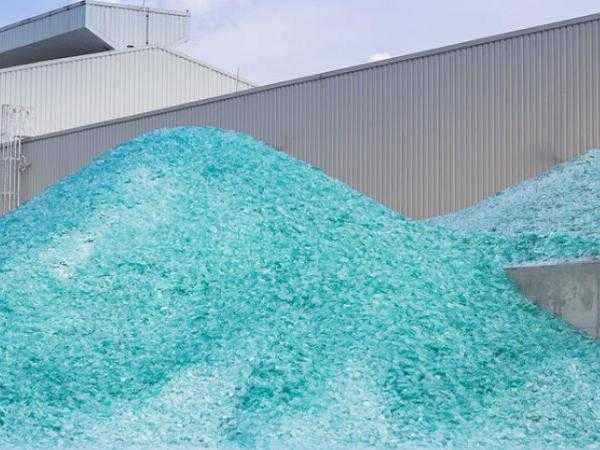
Most glass recycling plants accept broken or crushed glass known as cullet, which is melted down to create new glass products.
Disposal of Plastic Interlayers
The plastic layer extracted during delamination needs proper disposal or recycling. Check if your local recycling centers accept PVB or similar plastics.
Some plastics can be reprocessed into pellets for manufacturing new plastic products. If recycling isn’t an option, dispose of plastic waste responsibly following local guidelines.
Finding Suitable Recycling Facilities
Not all recycling centers accept laminated glass because of its complex composition. Use online directories or contact local waste management offices to identify facilities that do.
Some specialized glass recyclers or hazardous waste centers are equipped to handle laminated glass safely. Visiting or calling ahead ensures your materials are accepted.
Benefits of Recycling Laminated Glass
Recycling laminated glass helps reduce energy consumption since melting down cullet uses less energy than producing new glass from raw materials.

Similar Posts