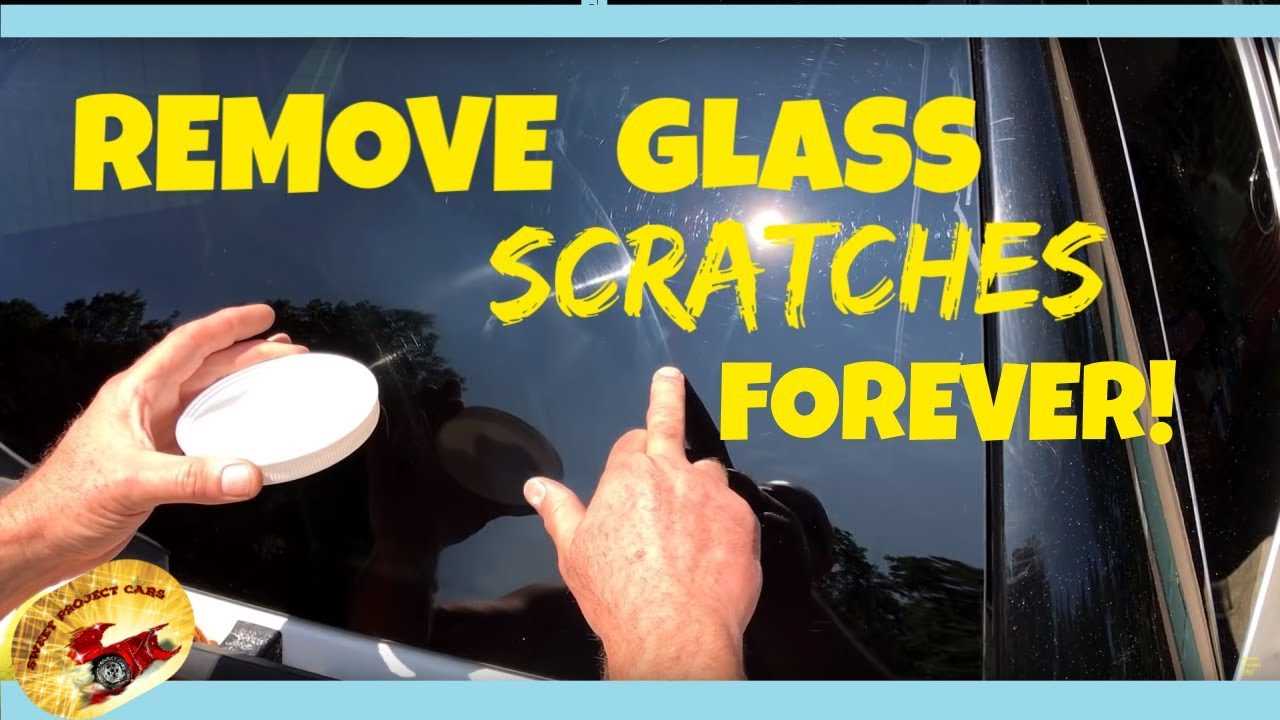
To fix scratched glass on your car quickly, start by cleaning the area thoroughly, then use a glass polishing compound or a DIY mixture of toothpaste and baking soda to buff out minor scratches. For deeper scratches, replacing the glass might be necessary. Always test any product on a small area first to avoid further damage.
If you’re dealing with scratches on your car’s glass, don’t panic. Many minor scratches can be repaired at home with some simple tools and products, saving you time and money. First, clean the glass to remove dirt and debris, which can worsen scratches or prevent proper repair. Then, use a polishing compound designed for automotive glass or a gentle abrasive like toothpaste mixed with baking soda to buff away surface scratches. For deeper or more stubborn scratches, professional repair or glass replacement might be the best option. Knowing the right approach can restore clarity and improve the appearance of your car’s glass without needing a costly replacement.

How to Fix Scratched Glass on Car
Understanding Different Types of Scratches on Car Glass
Before you start fixing scratches, it’s important to know what kind of scratch you are dealing with. There are minor surface scratches and deeper ones that penetrate the glass layer. Surface scratches are usually shallow and easier to fix, while deeper scratches may require more attention or professional help.
Surface scratches often appear as light marks or streaks. These can be caused by dust, debris, or improper cleaning. Deep scratches, however, may look like chips or gouges and affect visibility. Identifying the scratch type helps you choose the best repair method.
Tools and Materials Needed for Fixing Scratched Glass
Gathering the right tools can make the repair process smoother. Here are common items you’ll need:
- Glass cleaning solution or rubbing alcohol
- Microfiber cloths
- Car glass polish or scratch remover
- Fine-grade abrasive pads or 2000-grit sandpaper
- Water and soap
- Masking tape
- Car wax or sealant
- Polishing pad or buffer (optional)
Having these materials ready before you start saves time and ensures a quality repair. Avoid harsh abrasive cleaners that can worsen the scratches or damage the glass.
Preparing Your Car Glass for Repair
Proper preparation is key to fixing scratches effectively. Begin by washing the glass thoroughly with soap and water to remove dirt and grime. Use a microfiber cloth to wipe it dry, ensuring the surface is clean and free of debris.
Next, use a glass cleaner or rubbing alcohol to remove any remaining residues. If there are stickers or dirt around the scratch, carefully peel or clean them off. Mask off areas around the scratch with masking tape to prevent accidental damage to painted surfaces.
Assessing the Depth and Severity of the Scratch
To determine if the scratch can be fixed at home, check its depth. Light scratches typically feel smooth or barely catch your fingernail. Deeper scratches may catch your nail or feel rough.
If the scratch is shallow and only affects the surface, you can attempt repairs with polish or scratch remover. Deep scratches that penetrate the glass may require professional buffing or replacement.
DIY Methods for Fixing Light Scratches
For minor scratches, a simple polishing process can often restore clarity. Use a high-quality car glass polish or a dedicated scratch remover. Apply a small amount onto a clean microfiber cloth.
Gently rub the polish onto the scratch using circular motions. Keep applying and rubbing for about 1 to 2 minutes. Wipe away excess product with a clean cloth.
For best results, repeat the process if the scratch remains visible. Completing this process can significantly reduce the appearance of minor scratches.
Using Abrasive Pads and Sandpaper for Deeper Scratches
Step-by-step Guide
- Start by wetting the area around the scratch with water to reduce friction and prevent further damage.
- Attach a fine-grade 2000-grit sandpaper or abrasive pad to a block or use it directly if flexible.
- Gently sand the scratch with light, circular motions. Keep the surface wet during sanding.
- Check your progress frequently to avoid removing too much glass or creating additional scratches.
- Once the scratch seems less prominent, rinse with water and dry thoroughly.
Note: Sanding is a delicate process. Using too much pressure or coarse grit can worsen the damage, so proceed cautiously.
Polishing and Sealing the Repaired Area
After sanding or polishing, it’s important to restore the glass’s smoothness and clarity. Use a high-quality car glass polish to buff the area, again with a microfiber cloth or polishing pad.
Apply the polish in circular motions, focusing on blending the repaired area with the rest of the glass. After polishing, wipe away any residue and inspect the surface.
Finish by applying a layer of car wax or sealant. This protects the glass from future scratches and keeps the repair lasting longer. Regularly cleaning your car glass with gentle products can also prevent new scratches from forming.
Professional Repair Options for Severe Scratches
If your scratches are too deep or numerous, home methods may not suffice. In such cases, consult a professional auto glass technician. They use specialized tools like glass polishing machines to restore clarity or recommend glass replacement.
Professional repairs tend to be more effective for extensive damage and ensure safety and visibility are maintained. Sometimes, replacing a severely scratched window is the safest option.
Preventing Future Scratches on Car Glass
Prevention is better than cure when it comes to scratched glass. Regularly clean your windows with soft cloths and mild cleaning solutions. Avoid using rough or abrasive materials that can scratch the surface.
Park in shaded or covered areas to protect glass from environmental damage like birds or falling branches. Also, avoid slamming car doors or windows to prevent stress cracks.
Additional Tips for Maintaining Car Glass
- Use a dedicated glass cleaner for streak-free shine.
- Apply a glass protective coating to enhance scratch resistance.
- Inspect your windows regularly for new scratches or chips.
- Address minor damage as soon as possible to prevent worsening.
By following these steps and tips, you can keep your car’s glass clear and free of scratches, improving safety and appearance. Regular maintenance and cautious handling are your best tools in preserving your car windows.
Glass polishing scratches repair- Good tools and machinery make work easy
Frequently Asked Questions
What steps can I take to minimize the appearance of scratches on car glass?
Start by cleaning the glass thoroughly with a gentle glass cleaner to remove dirt and debris. Once clean, examine the depth of the scratches. For minor scratches, applying a glass polishing compound can reduce their visibility. Use a soft cloth to gently buff the affected area in circular motions. Regular maintenance and avoiding abrasive materials help prevent new scratches from forming and keep the glass looking clear.
Are there specific products recommended for repairing scratched car glass?
Yes, you can find specialized glass repair kits designed for minor scratches, which often include polishing compounds, pads, and applicators. Look for products that are suitable for automotive glass and follow the manufacturer’s instructions carefully. For deeper scratches, consider using a professional-grade glass scratch repair solution or consulting an auto glass specialist to ensure proper treatment without causing further damage.
When should I consider professional help to fix scratches on my car’s glass?
If the scratches are deep, cover a large area, or if you notice cracks or chips, it is best to consult a professional. Attempting to repair severe damage yourself might worsen the situation or compromise the safety of the glass. A qualified technician can evaluate the damage and offer effective solutions, such as polishing, filling, or replacing the glass if necessary.
Can I prevent scratches on my car’s glass in the future?
Yes, prevent scratches by avoiding contact with abrasive cleaning tools and materials. Regularly wash your car using soft sponges or microfiber cloths, and park in safe areas away from potential hazards like tree branches or gravel roads. Applying a protective ceramic coating can also add a layer of defense against minor scratches and helps maintain the clarity of your car’s glass over time.
Final Thoughts
To fix scratched glass on a car, start by cleaning the surface thoroughly to remove dirt and debris. Use a glass polishing compound or a scratch remover designed for automotive glass, applying it with a soft cloth in circular motions. For deeper scratches, consider using a fine abrasive pad carefully to avoid further damage.
Once the scratch diminishes, clean the area again and apply a glass sealant for added protection. Regular maintenance can prevent future scratches and keep your car’s glass clear.
In conclusion, fixing scratched glass on a car involves cleaning, polishing, and protection. By following these steps, you can effectively fix scratched glass on a car and maintain its clarity.

- How To Fix Laminated Windshield Chip Effectively - October 29, 2025
- How To Repair Laminated Glass Crack Effectively - October 29, 2025
- How To Clean Laminated Glass Properly For Sparkling Results - October 29, 2025