What Glue Is Used For Car Windows And How To Choose The Right One

The best glue for car windows is typically a high-quality, automotive-grade adhesive such as urethane-based sealants or specialized window bonding tapes. These adhesives are designed to withstand extreme temperatures, vibrations, and weather conditions, ensuring your window stays secure for years to come.
In summary, car windows are mostly glued using durable urethane adhesives, which provide a strong, flexible bond suitable for automotive needs. These adhesives are preferred because they offer excellent adhesion, weather resistance, and safety in case of accidents.
When it comes to replacing or installing car windows, choosing the right glue is crucial to ensure safety and durability. Car windows are subject to a range of harsh conditions like heat, cold, moisture, and vibrations, which normal household glues simply can’t handle. That’s why automotive-grade adhesives, especially urethane-based sealants, are the go-to choice for professionals and DIY enthusiasts alike. They create an almost unbreakable bond, remain flexible enough to absorb shocks, and can withstand various environmental factors, making them ideal for automotive applications. Knowing what glue to use not only guarantees the longevity of your window but also ensures that it stays secure, providing peace of mind on every journey.

What Glue Is Used for Car Windows
Introduction to Car Window Adhesives
Car windows require strong and reliable adhesives to keep the glass securely in place. The glue used must withstand weather, vibrations, and impacts while maintaining clarity and safety. Different types of adhesives serve specific purposes in automotive glass installation and repair. Choosing the right glue is essential for durability and safety on the road.
Types of Glues Commonly Used for Car Windows
Several adhesives are suitable for attaching or repairing car windows. Each type has unique features suited for different situations. The most common glues include:
- Polyurethane adhesive
- EVA (Ethylene Vinyl Acetate) glue
- Butyl rubber sealant
- UV-curing adhesives
Understanding the properties of each helps determine the best fit for specific needs.
Polyurethane Adhesives for Car Windows
Polyurethane adhesives are the most popular choice for car window installation. They form a strong, flexible bond capable of withstanding vibrations and temperature changes. These adhesives are **designed for automotive glass**, providing excellent adhesion to both glass and metal surfaces.
Benefits of Polyurethane Adhesives
- High tensile strength
- Excellent weather resistance
- Ability to absorb shocks and vibrations
- Good flexibility, preventing cracks
These properties make polyurethane a reliable choice for securing windshields and side windows.
Application and Curing Process
Polyurethane adhesives are applied with a caulking gun along the edges of the glass. They cure through moisture in the air, typically taking 24 to 48 hours to reach full strength. Proper surface preparation is crucial; surfaces should be clean, dry, and free of grease to ensure optimal adhesion.
Types of Polyurethane Adhesives
Not all polyurethane glues are the same. Some are formulated specifically for automotive use, while others may be commercial-grade. Automotive-grade polyurethane adhesives meet strict safety and durability standards.
Examples of Automotive Polyurethane Adhesives
- 3M Automotive Window Bonding Adhesive
- SikaTack® products
- Permatex Windshield Sealant
These products are tested for safety, UV resistance, and long-term durability.
Other Glues Used in Car Window Repairs
While polyurethane dominates, other adhesives sometimes find use in specific situations.
Butyl Rubber Sealants
Butyl rubber is a **flexible, sticky material** used mainly for sealing rather than bonding. It prevents leaks and water ingress around windows and is easy to remove if repairs are needed.
UV-Curing Adhesives
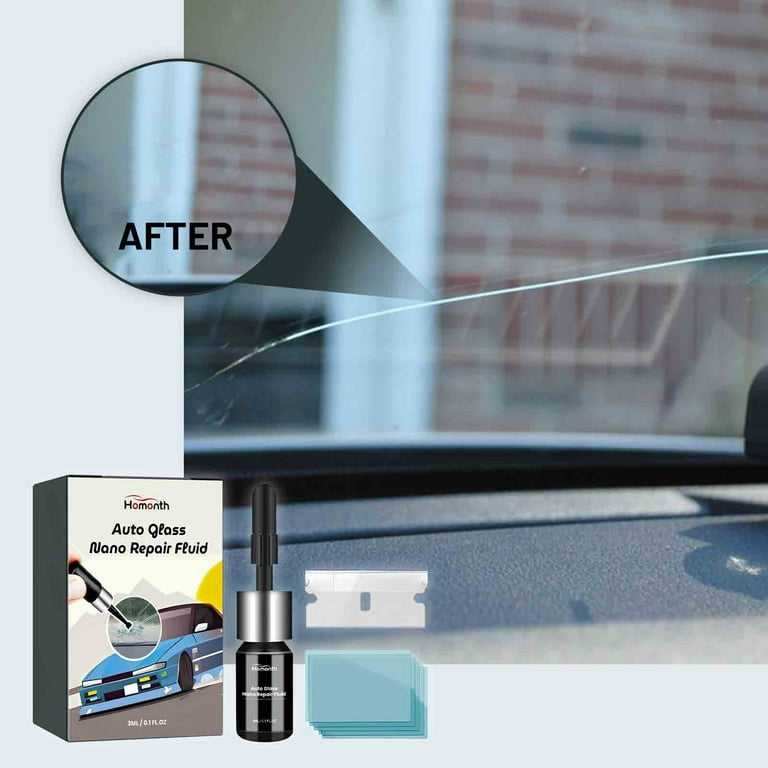
UV-curing adhesives are used in some modern repair kits. They harden quickly when exposed to UV light, providing fast initial bonding. These are suitable for minor repairs or attaching trims.
Important Considerations When Choosing Glue for Car Windows
Selecting the right adhesive involves understanding several factors:
- Material compatibility: Ensure the glue bonds well with glass and metal parts.
- Weather resistance: The adhesive must withstand rain, sun, snow, and temperature changes.
- Flexibility: Flexibility prevents cracking under vibrations or impacts.
- UV resistance: In sunlight, UV rays can degrade some adhesives, so UV-resistant products are preferable.
- Drying and curing time: Longer curing times might delay driving, so choose based on project urgency.
Failure to consider these factors can lead to adhesion failure, leaks, or safety issues.
Safety and Environmental Factors in Automotive Glues
Many automotive adhesives contain chemicals that require careful handling. Always work in well-ventilated areas and use protective gear. Additionally, many modern glues are formulated to be low in volatile organic compounds (VOCs), making them safer for the environment and users.
Professional vs DIY Application of Car Window Adhesives
Professional installers use specialized tools and adhere to safety standards that ensure proper bonding. DIY enthusiasts can often use kits with clear instructions but must follow exact procedures. Proper cleaning, preparation, and curing are key regardless of the application method.
Summary of Key Points
- Polyurethane adhesives are the most common for car windows due to strength and flexibility.
- Other adhesives such as butyl sealants are used mainly for sealing rather than bonding.
- Choosing the right glue depends on material compatibility, weather resistance, and safety considerations.
Related Topics to Explore
- Best tools for applying automotive glass adhesives
- Steps to replace a car windshield properly
- Understanding the safety standards for automotive adhesives
- Comparison of different brands of car window glue
- Environmental impact and disposal of automotive bonding agents
In summary, the world of adhesives for car windows is diverse, but polyurethane remains the go-to option for most windshield installations. Its ability to bond securely while handling the stresses of driving makes it indispensable in automotive repair and manufacturing. Choosing the appropriate adhesive, along with proper application techniques, ensures your vehicle’s windows stay safe and intact for years to come.
How to use Permatex Windshield Repair Kit #howto #permatex #mechanic #diy #car #glass #fypシ
Frequently Asked Questions
What types of adhesives are suitable for fixing car windows?
For attaching car windows, especially windshields, urethane-based adhesives are the most effective. These adhesives provide strong bonding, flexibility, and excellent resistance to weather conditions, ensuring the window remains securely in place over time.
Can regular household glues be used for car windows?
No, household glues like super glues or craft adhesives do not offer the strength, flexibility, or weather resistance needed for car windows. Using appropriate automotive adhesives ensures safety and durability in various driving conditions.
What is the typical curing process for adhesives used on car windows?
Adhesives like urethane require a curing period that involves exposure to specific temperatures and sometimes moisture. Usually, the adhesive needs several hours to cure fully, during which the vehicle should be kept in a stable environment to achieve the best bonding strength.
Are there any safety precautions to consider when applying window glue on cars?
Yes, ensure you work in a well-ventilated area, wear protective gloves and eye protection, and follow the manufacturer’s instructions carefully. Proper surface preparation and correct application techniques help avoid issues like leaks or weak bonds that could compromise safety.

Similar Posts