Does Ca Glue Work On Glass A Practical Guide
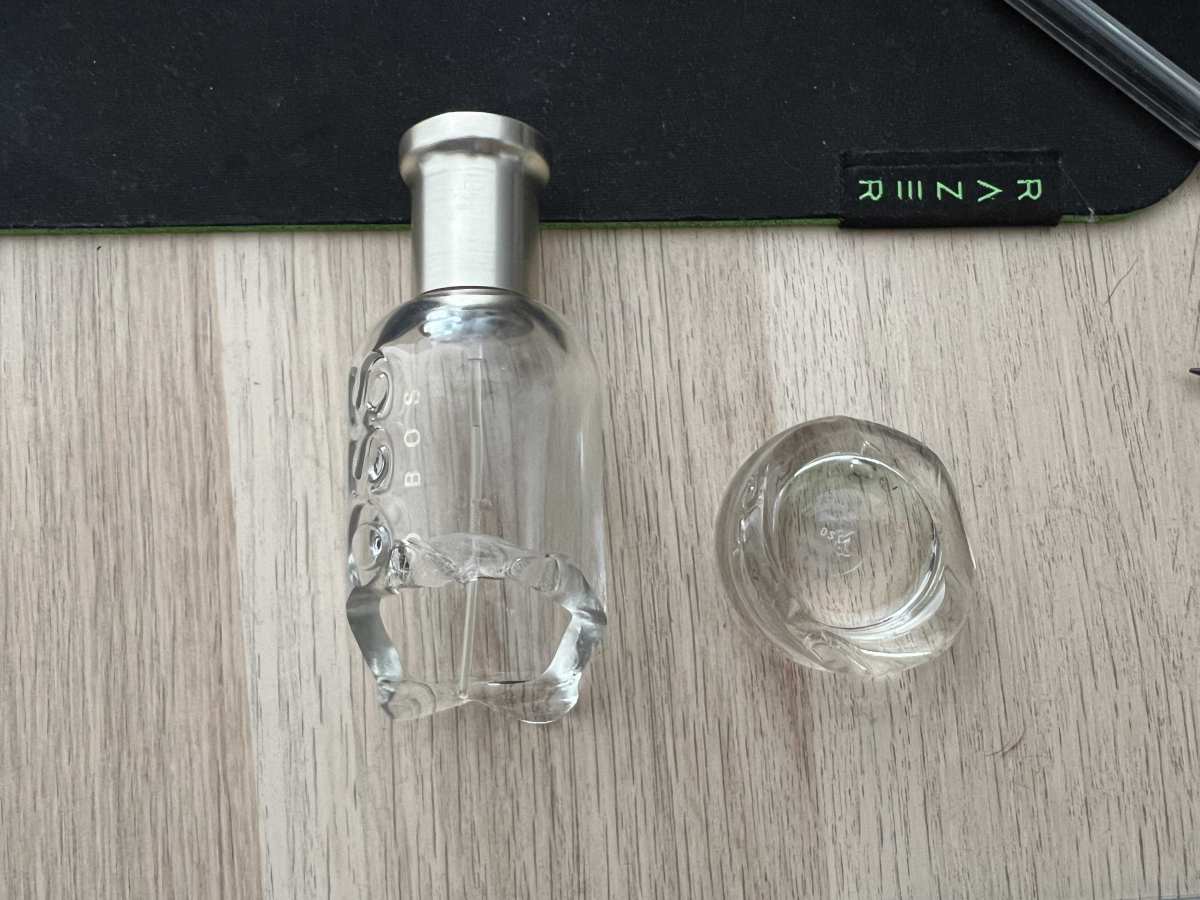
Yes, CA glue can work on glass, but its effectiveness depends on the type of glass and application. For quick repairs, CA glue provides a strong bond if used correctly, but it may not be suitable for all glass surfaces or larger projects.
In short, CA glue can bond glass effectively for small repairs or crafts, provided the surface is clean and the glue is applied properly. However, it might not be the best choice for heavy-duty or load-bearing applications, as other adhesives like epoxy could offer better strength.
If you’re considering using CA glue on glass, you’ll be happy to know it’s a popular option for quick fixes and delicate projects. Many people wonder if it’s strong enough or if it will crack or peel over time. The good news is that, with the right technique, CA glue can create a durable bond on glass surfaces, making it a go-to solution for jewelry, decorative pieces, and minor repairs. Just keep in mind that some types of glass, especially those with a smooth, non-porous surface, may require careful preparation for the best results.

Does CA Glue Work on Glass?
Understanding CA Glue and Its Composition
CA glue, also known as cyanoacrylate glue, is a fast-acting adhesive commonly used for many materials. It is made from a chemical compound that bonds quickly when it contacts moisture. Its popularity comes from its ability to create a strong bond in seconds, making it ideal for small repairs.
Unlike traditional adhesives, CA glue is thin and flows easily into tiny cracks and gaps. This property allows it to bond surfaces firmly without the need for clamping. However, not all surfaces bond equally well with CA glue, especially glass.
How Does CA Glue Bond to Glass?
In most cases, CA glue can adhere to glass surfaces effectively. When applied correctly, it forms a clear and durable bond. The key to successful bonding lies in proper surface preparation.
Glass is a non-porous material, which means it doesn’t absorb liquids easily. This can make it challenging for CA glue to create a strong hold if the surface isn’t clean. Moisture on the glass surface helps initiate the chemical reaction that cures the glue.
Factors Influencing Gluing Success
Several factors determine how well CA glue works on glass:
- Surface Cleanliness: Dirt, oil, or fingerprints can prevent proper adhesion. Clean the glass thoroughly with alcohol or glass cleaner before applying the glue.
- Surface Condition: Scratched or textured glass may not bond as well as smooth surfaces.
- Amount of Moisture: Slight moisture on the surface helps the CA glue cure faster and bonds better.
- Application Technique: Applying a thin, even layer ensures maximum adhesion and reduces excess glue, which can weaken the bond.
Pros of Using CA Glue on Glass
Although not perfect for every situation, CA glue offers some advantages when used on glass:
- Fast Bonding: The glue sets within seconds, allowing quick repairs.
- Ease of Use: It requires minimal tools or preparation.
- Clear Finish: Once cured, the bond is transparent, making it visually appealing for aesthetic fixes.
- Strong Bond for Small Repairs: Ideal for fixing small cracks, chips, or loose glass pieces.
Limitations and Challenges
Despite its benefits, CA glue has some limitations with glass:
Weak Bond on Large or Flexible Areas
CA glue may not hold well on large surfaces or flexible glass because of the lack of surface area and movement. It tends to be brittle once cured, which can cause cracks to reopen under stress.
Long-term Durability
Over time, exposure to water, temperature changes, or UV light can weaken the bond. CA glue is best suited for indoor or dry environments.
Potential for Cloudiness
If applied improperly or if excess glue is used, it can leave a cloudy residue on transparent glass. Proper application helps maintain clarity.
Preparing Glass for CA Glue Application
Proper surface preparation is essential to get the best results:
- Wash the glass with soap and water to remove dirt and oils.
- Wipe the surface with alcohol to remove any remaining residues.
- Allow the glass to dry completely before applying the glue.
Applying CA Glue on Glass
Follow these steps to ensure a smooth bonding process:
- Hold the glass pieces carefully; avoid touching the bonding surfaces.
- Apply a tiny amount of CA glue to one surface using a brush or applicator for precision.
- Press the pieces together firmly and hold for at least 30 seconds for initial setting.
- Allow the glue to cure fully, which may take a few minutes to hours depending on environmental conditions.
Alternatives to CA Glue for Glass
In some cases, other adhesives might provide better results for bonding glass:
| Adhesive Type | Advantages | Disadvantages |
|---|---|---|
| Epoxy Resin | Creates extremely strong bonds; waterproof; good for larger repairs | Longer curing time; more complex to apply |
| Silicone Sealant | Flexible; waterproof; easy to apply | Less bond strength compared to epoxy or CA glue |
| Specialized Glass Adhesives | Designed explicitly for glass; durable and clear | Can be more expensive; may require specific curing conditions |
Tips for a Successful Glass Repair
To maximize the effectiveness of your repair:
- Use minimal glue: Excess glue can create messes and cloudiness.
- Work in a well-ventilated area: CA glue fumes can be irritating.
- Wear gloves: Prevent fingerprints and skin bonding.
- Allow sufficient curing time: Patience ensures maximum strength and transparency.
- Test on a small area first: Especially if the glass is valuable or delicate.
While CA glue can work on glass, it performs best on small, clean, and smooth surfaces. Its quick-setting properties and clear finish make it a popular choice for minor repairs. However, for larger or load-bearing glass projects, more specialized adhesives like epoxy or glass-specific glues offer higher durability. Proper surface preparation and application are key to ensuring a strong bond and a neat appearance.
How to use CA glue // Are CA glue and Super glue different? // DIY tutorial for Cyanoacrylate glues
Frequently Asked Questions
Can CA glue form a strong bond with glass surfaces?
Yes, CA glue can create a strong bond with glass when applied correctly. Its fast-setting properties and high adhesion make it effective for bonding glass pieces, especially for small repairs or crafts. To achieve the best results, ensure that both surfaces are clean, dry, and free of grease before applying the glue.
Does the type of CA glue affect its effectiveness on glass?
Absolutely. Some CA glues, especially those labeled as “super glue” or “cyanoacrylate,” work better on non-porous surfaces like glass. Choosing a thin, fast-setting formula can help penetrate small cracks and create a more durable bond. Thick formulas may take longer to set and might not adhere as well on smooth surfaces like glass.
Are there any precautions to take when using CA glue on glass?
When working with CA glue and glass, avoid handling the glue with bare hands to prevent accidental bonding. Work in a well-ventilated area and use protective gloves if necessary. Also, be cautious to prevent excess glue from spilling onto unwanted areas, as it bonds quickly and can be difficult to remove without damaging the glass.
How long does it take for CA glue to fully cure on glass?
Typically, CA glue bonds glass within seconds to a minute. However, for a complete cure and maximum strength, it’s best to let the bond sit undisturbed for 24 hours. Factors like temperature and humidity can influence curing time, so follow the manufacturer’s instructions for optimal results.
Can CA glue be used on all types of glass, such as tempered or stained glass?
CA glue is generally suitable for most types of glass, including tempered glass. However, for delicate or decorative glass like stained glass, it’s advisable to test the glue on a small area first to ensure it doesn’t cause damage or discoloration. For more fragile or valuable glass, consider consulting a specialist before use.

Similar Posts