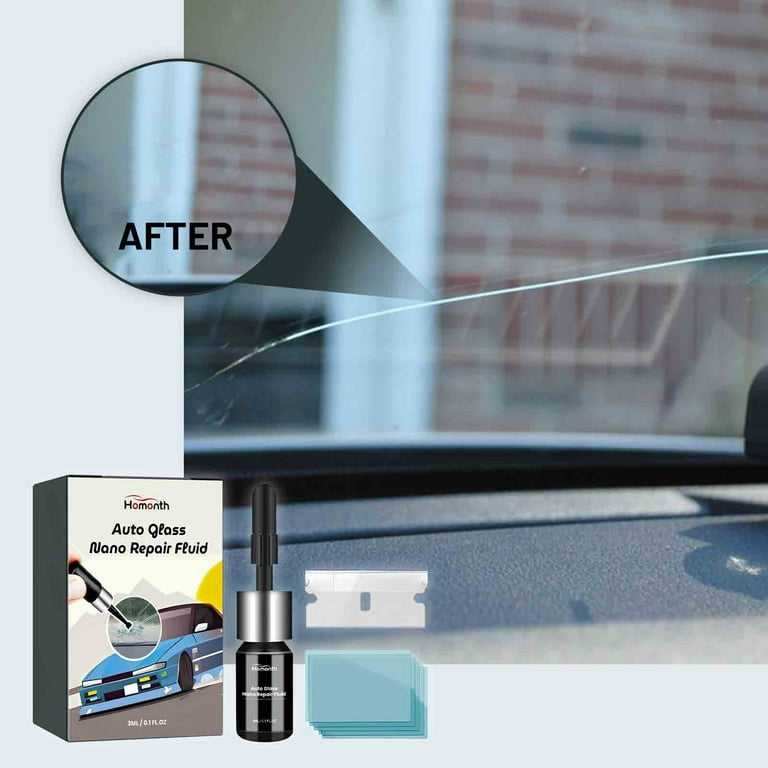
To repair a laminated glass crack quickly, clean the area thoroughly, apply a clear epoxy resin with a syringe or brush, and let it cure completely. For minor cracks, this simple fix can restore strength and clarity, preventing further damage. If the crack is severe, professional repair or glass replacement may be necessary.
Cracked laminated glass can seem like a daunting problem, but with the right steps, you can often manage minor damages yourself. The key is acting promptly to prevent the crack from spreading and causing more extensive damage. Whether it’s a small surface scratch or a deeper fracture, understanding how to properly assess and repair laminated glass saves you money and keeps your windows safe. Laminated glass, made of multiple layers of glass bonded with a plastic interlayer, is designed for durability and safety, but it’s not invincible. In this article, we’ll explore effective methods for repairing laminated glass cracks, so you can restore your windows quickly and confidently.

How to Repair Laminated Glass Crack: A Step-by-Step Guide
Cracks in laminated glass can be a big concern, affecting the safety and appearance of your windows or glass panels. Repairing these cracks quickly can prevent further damage and save you money. This guide will walk you through the process of repairing laminated glass cracks effectively and safely.
Understanding Laminated Glass and Its Structure
Laminated glass consists of two or more sheets of glass bonded together with a layer of polyvinyl butyral (PVB). This layer holds the glass together even if cracks appear, making it safer than regular glass.
The PVB layer is what gives laminated glass its strength and safety features. When cracks occur, they often stay within the PVB layer, but if not addressed, they can grow and cause more severe damage.
Assessing the Damage: Is Repair Possible?
Before attempting to repair a crack, examine the size, depth, and location of the damage. Small cracks less than six inches long often can be repaired, especially if they are not in the line of sight or in a high-stress area.
If the crack is wider than a quarter-inch, or if there are multiple cracks or signs of delamination, replacement might be a better option than repair. Always consider safety and consult a professional if unsure.
Tools and Materials Needed for Repair
Having the right tools ensures a successful repair. Here’s what you’ll need:
- Glass repair adhesive or resin specifically designed for laminated glass
- Cleaner suitable for glass surfaces
- Microfiber cloths
- Plastic or silicone applicator
- Rubber gloves to protect your hands
- Masking tape to hold the crack in place during curing
- UV light source (if recommended by the adhesive manufacturer)
Preparing the Workspace and Glass Surface
Choose a clean, dry, and well-lit workspace to work on the glass. Clean the crack area thoroughly using a suitable glass cleaner and a microfiber cloth to remove dirt and debris.
A clean surface ensures the adhesive bonds properly and reduces the risk of trapping dust or other contaminants that could weaken the repair.
Cleaning and Preparing the Crack Area
Gently remove any loose glass fragments with a soft brush or compressed air. Avoid applying too much pressure that could cause further damage.
Dry the area completely before applying the adhesive; moisture can interfere with the bonding process and compromise the repair’s durability.
Applying the Repair Resin or Adhesive
Step-by-step application process:
- Put on gloves to protect your skin from the resin or adhesive.
- Apply the resin or adhesive directly into the crack using a plastic applicator or syringe.
- Ensure the resin fills the entire length and width of the crack for a proper bond.
- Use a piece of tape or a flat tool to remove excess resin from the surface, smoothing it out for a clear finish.
- Follow the manufacturer’s instructions regarding curing time and conditions.
Using UV Light for Better Results
Some glass repair resins require curing with UV light. After applying the resin, expose the crack to a UV light source for the recommended time to harden the adhesive thoroughly.
This process improves the bond strength and ensures the repair is as clear and durable as possible.
Finishing the Repair and Final Checks
Once the resin has cured, inspect the repair closely. The surface should be smooth, with no visible cracks or bubbles. If needed, gently sand the area with fine-grit sandpaper for a seamless finish.
Remove any masking tape and clean the glass again to remove residue or smudges. Check whether the crack is visually and structurally stabilized.
Preventing Future Damage to Laminated Glass
Regular maintenance and inspections can prevent cracks from worsening. Keep windows clean and free of debris, and avoid putting stress on the glass, such as slamming doors or hitting the panes.
Consider applying protective films or coatings designed to absorb impact or resist scratches for added durability.
When to Call a Professional
If the crack is extensive, in a critical area, or if you feel uncertain about repairing it yourself, contact a professional glass repair service. They have specialized tools and experience to handle complex damage safely and effectively.
Remember that improperly repaired laminated glass can pose safety risks and might not last long. Professional repairs also often come with warranties for peace of mind.
Additional Tips for Repair Success
- Work in a dust-free environment to prevent debris from contaminating the repair.
- Always follow the adhesive or resin manufacturer’s instructions carefully.
- Handle glass with care to avoid causing further damage.
- Use appropriate personal protective equipment for safety.
Related Topics
How to Replace Laminated Glass
If a crack is beyond repair, replacing the entire laminated panel might be necessary. This process involves removing the damaged pane and carefully installing a new one, ensuring a proper seal for safety and insulation.
Maintaining Laminated Glass for Longevity
Routine cleaning and inspections help prolong the life of laminated glass. Avoid harsh chemicals and abrasive tools that could damage the surface.
Benefits of Laminated Glass in Homes and Vehicles
Laminated glass provides increased safety, security, and noise reduction, making it a popular choice for many applications. Proper care and timely repairs keep these benefits intact.
How to Use a Glass Repair Kit – Fix Cracked Windows Like a Pro! #automobile #diy #art #cartok
Frequently Asked Questions
What steps should I follow to temporarily fix a laminated glass crack before professional repair?
If you notice a crack in laminated glass, avoid applying pressure or attempting to forcefully seal it. Clean the area around the crack gently to remove dirt and debris. Use clear tape or a specialized resin kit designed for glass repairs to cover the crack temporarily. This prevents dirt from entering and reduces the risk of the crack spreading further until you can get professional assistance.
How can I determine if a laminated glass crack needs immediate professional repair?
Inspect the crack carefully to assess its size and location. If the crack is long, deep, or located near the edges of the glass, it requires prompt professional repair. Cracks that impair visibility or are causing the glass to feel unstable should be addressed immediately. If you notice additional stress points or the crack spreading quickly, seek professional help without delay.
Are there any specific products or materials I can use for repairing laminated glass cracks myself?
Yes, you can use resin repair kits specifically made for glass. These kits usually contain a resin compound and curing tools. Follow the manufacturer’s instructions closely: clean the cracked area thoroughly, apply the resin evenly over the crack, and allow it to cure under recommended conditions. Keep in mind, these are temporary fixes, and professional repair or replacement ensures long-term safety and durability.
Is it safe to drive with a laminated glass crack, and what precautions should I take?
If the crack is minor and does not obstruct your view, it might be safe to drive cautiously. However, avoid sudden impacts, and monitor the crack regularly for any signs of progression. If the crack enlarges or affects your visibility, stop driving and seek immediate professional repair. Always prioritize safety and consider consulting a technician before driving with a compromised windshield.
What are the signs that a laminated glass crack has worsened and needs urgent repair?
Signs include the crack expanding rapidly, developing multiple branches, or appearing as a spider-web pattern. If the crack reaches the edges or the glass starts to feel loose or unstable, it indicates deterioration. Sudden changes in weather, such as temperature fluctuations, can also worsen cracks. In these cases, contact a professional glass specialist immediately to prevent potential breakage or safety hazards.
Final Thoughts
To repair laminated glass crack effectively, start by cleaning the area thoroughly. Use a glass adhesive designed for laminated glass, applying it carefully into the crack. Clamp the glass gently to ensure proper bonding and let it cure as recommended.
In conclusion, knowing how to repair laminated glass crack can save you time and money. Focus on cleaning, selecting the right adhesive, and allowing sufficient curing time for the best results. Proper repair restores glass integrity and prolongs its lifespan efficiently.

- How To Fix Laminated Windshield Chip Effectively - October 29, 2025
- How To Repair Laminated Glass Crack Effectively - October 29, 2025
- How To Clean Laminated Glass Properly For Sparkling Results - October 29, 2025