Does A Car Cover Protect From Heat Tips For Effective Use
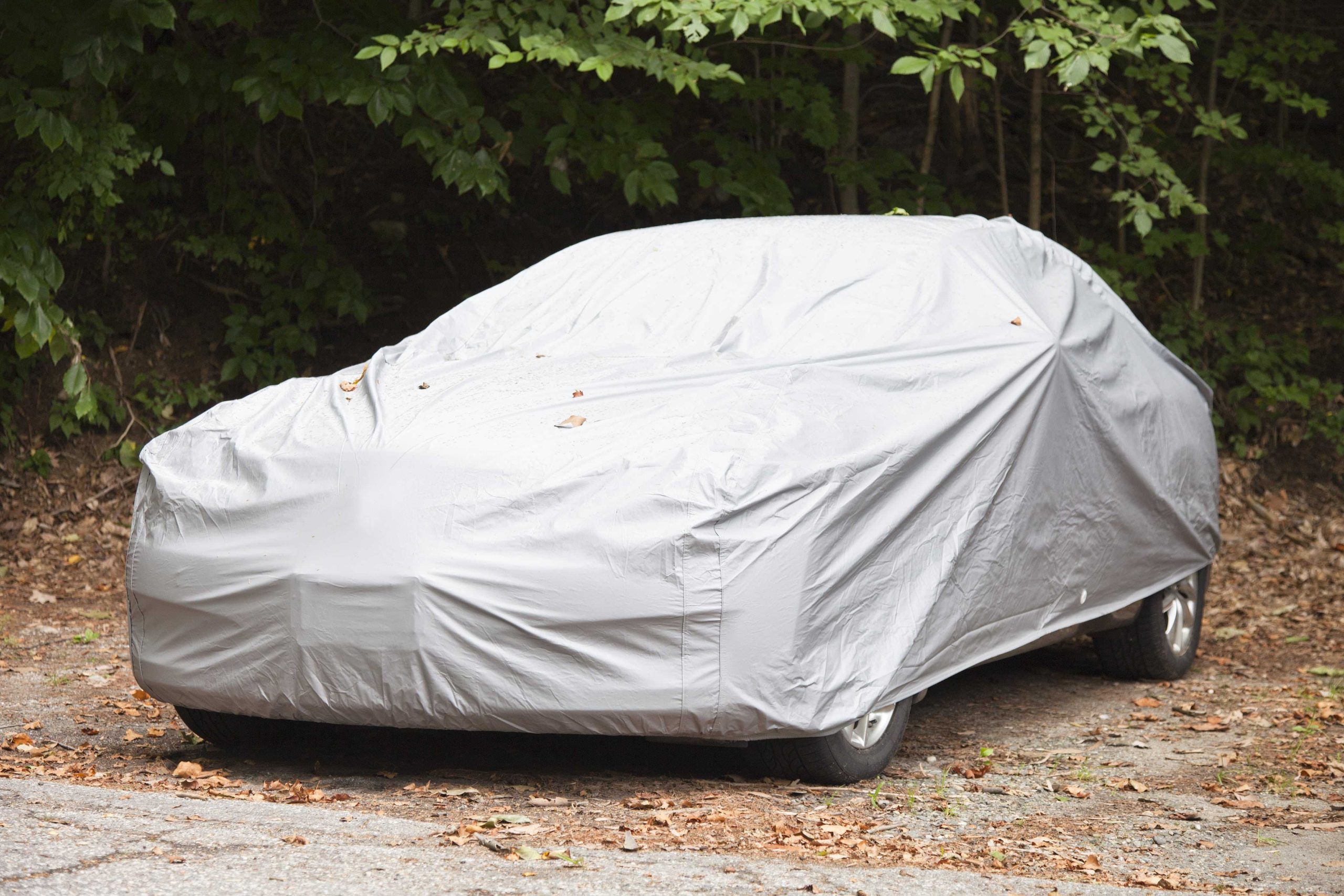
Yes, a good-quality car cover can help protect your vehicle from excessive heat, but it’s not a foolproof shield. The right cover can reflect sunlight and reduce the temperature inside, preventing damage to your car’s paint and interior. However, its effectiveness depends on the material used and coverage quality.
A car cover can offer some protection against heat, but it’s not entirely foolproof. The key is choosing a cover designed specifically for hot weather, which reflects sunlight and minimizes heat build-up. When sun exposure is intense, a cover can reduce the temperature of your car’s surface, helping to prevent paint fading and interior damage. Still, no cover can completely block out all heat, especially during peak summer days. Understanding how different materials work and opting for ventilated, reflective covers can maximize protection and keep your car cooler underneath.

Does a Car Cover Protect from Heat? An In-Depth Look
Understanding How Heat Affects Your Car
Heat can cause significant damage to your vehicle if not properly protected. When exposed to direct sunlight, temperatures can soar well above the ambient air temperature. This intense heat can affect the car’s paint, interior, and mechanical parts over time.
High temperatures make the car’s surface heat up quickly, especially in the absence of shade or coverings. Prolonged exposure to this heat may lead to paint fading, cracks, or peeling. Additionally, excessive heat can damage the interior, including the dashboard, seats, and electronic components.
Knowing how heat impacts your vehicle emphasizes the importance of using effective protection. A car cover can serve as a barrier to reduce direct heat exposure, but its effectiveness depends on its material and design.
How Car Covers Reduce Heat Exposure
Car covers act as a physical barrier between your vehicle and the sun’s rays. They reflect or absorb sunlight, which significantly lowers the amount of heat that reaches the car’s surface.
A good car cover limits the temperature increase on the car’s surface, keeping it cooler than it would be under direct sunlight. This helps prevent paint damage and interior heat buildup.
But not all car covers are equally effective in protecting against heat. Their effectiveness depends on several factors, including their material, thickness, and whether they are designed specifically for heat resistance.
Types of Car Covers and Their Heat Protection Capabilities
Choosing the right car cover is crucial in reducing heat exposure. There are mainly three types of covers:
Standard Fabric Covers
These are lightweight and affordable but offer limited heat protection. They primarily protect against dust, dirt, and minor scratches. Their breathability can sometimes allow heat to penetrate more easily.
Reflective or Mirror Car Covers
Designed with reflective materials, these covers deflect a significant portion of sunlight. They are most effective in hot climates as they reflect sunlight away from the car surface, keeping temperatures lower.
Insulating Car Covers
Made from thick, layered materials, these covers provide excellent heat insulation. They trap heat away from the vehicle and prevent it from reaching the surface, making them ideal for extremely hot environments.
Material Matters: What Makes a Car Cover Good Against Heat?
The material of a car cover plays a pivotal role in its ability to shield your vehicle from heat.
- Reflective Coatings: Reflective coatings bounce sunlight away, reducing heat transfer.
- Insulating Layers: Multiple layers of dense fabric trap heat, preventing it from reaching the car.
- Breathability: Covers with good airflow prevent moisture buildup, which can also raise surface temperatures.
Choosing a cover with a combination of reflective and insulating properties offers the best protection against high temperatures.
Additional Features to Look for in a Heat-Resistant Car Cover
Besides material, consider these features to maximize heat protection:
- UV Resistance: Protects both the vehicle’s paint and the cover from sun damage.
- Water Resistance: Keeps the interior dry and prevents heat buildup caused by moisture.
- Reflective Strips: Enhance visibility and reflect sunlight more effectively.
A cover with these features can help maintain a cooler car surface despite intense sun exposure.
Advantages and Limitations of Using a Car Cover for Heat Protection
Using a car cover offers several benefits:
- Reduces Heat Buildup: Keeps the car cooler, especially during peak sunlight hours.
- Protects Exterior: Prevents paint fading, cracking, and damage caused by heat expansion.
- Protects Interior: Limits the degree of interior temperature rise, protecting dashboard and seats.
However, there are some limitations:
- Fit Matters: A poorly fitted cover can allow heat to seep in through gaps.
- Material Durability: Low-quality covers may deteriorate quickly under sun exposure, reducing effectiveness.
- Not a Substitute for Shade: While helpful, a cover cannot replace the benefits of parking in shaded areas or under a canopy.
Using a combination of shade and a high-quality cover provides the best heat protection.
Preventive Measures to Complement Your Car Cover
To maximize heat protection, consider additional steps:
Parking in Shade
Always look for shaded areas to keep your vehicle cooler. Tree cover or parking garages are ideal.
Applying Window Films
Specialized window tints reduce heat transfer into the interior and complement the cover’s protection.
Leaving Windows Slightly Open
Allowing air circulation helps reduce interior heat buildup when parked under the sun.
Maintenance and Care for Your Heat-Resistant Car Cover
Proper maintenance ensures your cover remains effective.

Similar Posts