Is It Safe To Drive With A Cracked Windshield
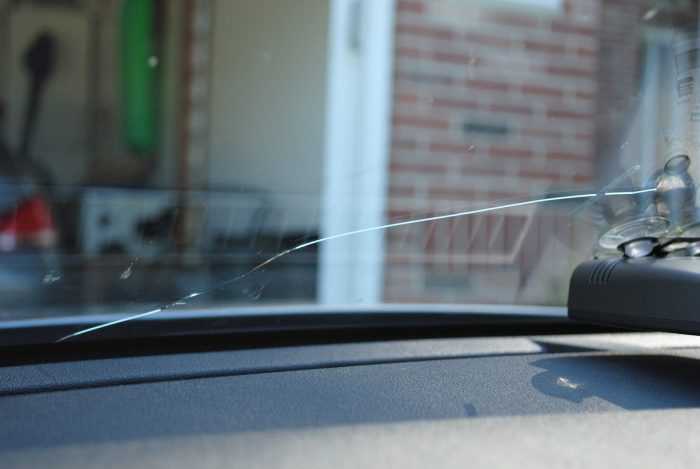
Driving with a cracked windshield is risky and generally not recommended. A small crack can quickly spread, impair your visibility, and compromise the structural integrity of your vehicle. If you’re wondering whether it’s safe to keep driving with a crack, the quick answer is: it’s best to get it repaired or replaced as soon as possible to ensure your safety and avoid further damage.
A cracked windshield can be dangerous because it weakens the overall strength of your car’s frame, especially in the event of an accident. Small cracks might seem harmless initially, but they tend to grow over time, especially with temperature changes and vibrations from driving. Ignoring the problem can lead to more costly repairs and, worse, jeopardize your safety on the road. Whether you should continue driving depends on the size, location, and severity of the crack. The safest approach is to have a professional evaluate the damage and address it promptly.

Is It Safe to Drive with a Cracked Windshield?
Understanding the Nature of Windshield Cracks
A cracked windshield might seem like a minor issue, but it can affect your safety while driving. The severity of the crack depends on its size, location, and type. Small chips or cracks usually cause less concern, but larger damage can compromise the windshield’s integrity.
Cracks can develop from various causes such as flying debris, temperature changes, or accidents. Recognizing the type of crack is essential to determine if driving is safe. Some common types include stress cracks, chip cracks, and long cracks, each with different implications.
How Windshield Cracks Affect Vehicle Safety
A windshield serves as a critical safety component in your vehicle. It maintains the structural integrity of your car during accidents. Cracks can weaken this support, especially in the event of a collision or rollover.
Additionally, a cracked windshield may impair your visibility while driving. This distraction increases the risk of accidents. Windshield damage can also impair the function of safety features such as airbags, which rely on a clear view and intact structure.
Legal and Insurance Considerations
Driving with a cracked windshield might violate state laws, depending on the size and location of the crack. Some regions have strict regulations limiting the permissible damage.
Insurance policies often require prompt repairs for cracked windshields. Failing to address the damage may result in higher deductibles or denial of coverage. It’s wise to check your local regulations and insurance terms before continuing to drive.
Assessing the Risk: When Is It Dangerous to Drive?
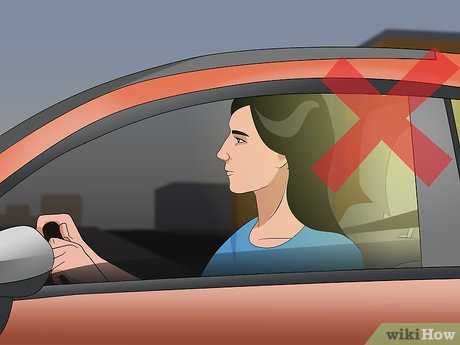
Determining if your cracked windshield is safe depends on specific factors. Cracks that are longer than six inches or located directly in the driver’s line of sight pose immediate danger.
Cracks near the edges of the windshield can weaken the glass and cause it to shatter unexpectedly. If the crack is spreading or expanding, driving becomes riskier over time.
Signs You Should Stop Driving Immediately
- The crack obstructs your view of the road.
- The crack is growing rapidly.
- The damage is close to the edges or has reached the driver’s line of sight.
- You notice spiderweb patterns or multiple cracks.
- The windshield feels loose or feels like it’s about to break apart.
Factors That Influence Safety in a Cracked Windshield
Several aspects affect whether it’s safe to drive with a cracked windshield. These include the size, location, and type of crack, as well as the weather conditions and the car’s age.
Size and Location of the Crack
Cracks less than 1 inch often don’t interfere with driving and might be repairable. However, cracks larger than 6 inches often require replacement.
Cracks in the driver’s line of sight are more dangerous because they can distract or impair vision. Cracks near the edges of the glass can weaken its structural support.
Type of Crack
- Chip: Usually small and localized, often repairable.
- Stress Crack: Caused by temperature fluctuations, may spread over time.
- Long Crack: Covers a large area and typically indicates the need for replacement.
Weather Conditions and Driving Environment
Cold, hot, or rainy weather can intensify windshield cracks. Temperature changes cause the glass to expand or contract, worsening the damage.
Driving on rough roads or encountering debris can aggravate existing cracks, making them more dangerous.
Risks of Ignoring a Cracked Windshield
Ignoring small cracks can lead to several problems. Over time, cracks tend to spread and weaken the glass further. This increases the risk of sudden shattering during driving.
A compromised windshield can also prevent your vehicle from passing safety inspections. Moreover, in case of an accident, a damaged windshield might not provide the needed protection, increasing injury risk.
DIY Repairs Versus Professional Service
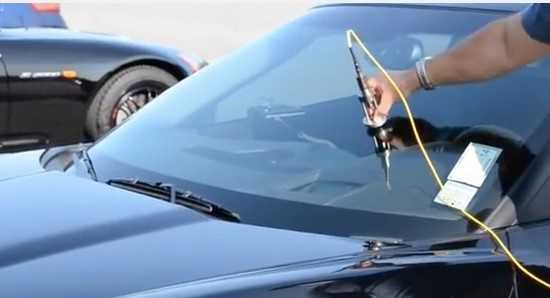
Small chips and cracks can sometimes be repaired at home with kits available at most auto parts stores. These kits usually contain resin that can fill minor damage.
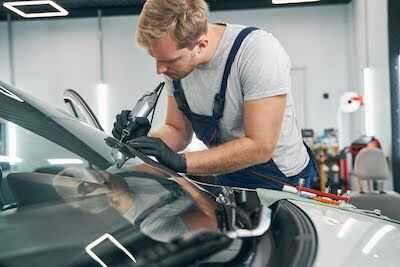
However, professional repair services ensure thorough assessment and proper fixing. They use specialized tools and techniques to restore the windshield’s strength and clarity.
When to Seek Professional Help
- The crack exceeds 6 inches in length.
- The damage is in the driver’s line of sight.
- The crack is expanding or spreading.
- The damage is close to the edges of the windshield.
- Multiple cracks or chips are present.
Preventing Future Windshield Damage
To avoid cracks or chips, keep a safe distance from vehicles ahead to prevent debris. Regularly inspect your windshield for signs of damage and address issues promptly.
Parking your vehicle in shaded areas helps reduce the impact of temperature changes. Also, avoid parking under trees or in construction zones where falling objects pose a risk.
Cost and Time for Repairs or Replacements
Repair costs typically range between $50 and $150, depending on the crack’s size and location. Replacement fees often vary from $200 to $500 or more, based on the vehicle model and glass type.
Repairs usually take less than an hour, while replacements can require several hours or a full day. Planning ahead and acting quickly helps reduce expenses and ensures safety.
Deciding whether it is safe to drive with a cracked windshield depends on the crack’s size, location, and severity. Small chips and minor cracks might be temporarily manageable, but larger or expanding damage demands immediate attention.

Similar Posts