Difference Between Windshield Crack And Chip Explained

A tiny chip or a spreading crack—what’s the real difference, and which one needs urgent attention? If you’re trying to figure out whether your windshield damage is just a minor chip or a full-blown crack, the answer can save you time and money. In short, a chip is a small, localized impact mark, often caused by gravel, while a crack is a longer, splitting line that can expand if not taken care of quickly. Both types of damage compromise your windshield’s strength and safety, but they require different repair approaches. Understanding these differences helps you act promptly and avoid costly replacements. Whether it’s a small chip or a growing crack, addressing it early can keep your driving safe and your wallet happy.
A chip is a small, localized damage usually caused by a stray stone hitting the windshield, whereas a crack is a longer, more extensive split that can spread across the glass. Chips are generally less severe and easier to repair, while cracks demand immediate attention to prevent further spreading. Recognizing the difference is crucial for determining whether you need a simple repair or a full windshield replacement.
Windshield damage can be confusing, especially when trying to determine if it’s just a tiny chip or a more serious crack. Both types result from impacts but differ significantly in size, severity, and repairability. Chips are small, often circular or star-shaped, and can be fixed quickly if caught early. Cracks, on the other hand, are longer, sometimes spider-web-like, and tend to worsen over time if neglected. Knowing which one you’re dealing with helps you decide whether to schedule a quick repair or prepare for a potential replacement, ensuring your safety on the road.

Understanding the Difference Between Windshield Crack and Chip
Many drivers notice damage to their windshields but may not understand the difference between a crack and a chip. Clarifying these distinctions helps determine the right repair or replacement plan. Both types of damage can affect safety and visibility, so knowing what each means is important.
What Is a Windshield Chip?
A windshield chip is a small, concentrated area of damage, often caused by tiny objects hitting the glass. Common causes include pebbles kicked up by other vehicles or debris on the road. Chips are usually less than 1 inch across and are localized.
Types of Windshield Chips
- Penny-sized chips: Larger chips, but still small enough to repair in most cases.
- Star-shaped chips: Damage with multiple cracks radiating from the impact point, resembling a star.
- Bullseye chips: Circular cracks forming around the point of impact, similar to a target.
- Ice pick chips: Small, sharp impact marks caused by pointed objects.
Characteristics of Windshield Chips
Chips usually appear as small holes or cracks with minimal spreading. They do not tend to grow quickly unless exposed to temperature changes or pressure. A chip can often be repaired if it is less than a quarter inch in diameter, preventing further damage.
What Is a Windshield Crack?
A crack is a longer, more extensive damage that spreads across the glass. Cracks often develop from chips that have expanded or from impact points that cause the glass to fracture. They can vary in size from a few inches to several feet.
Types of Windshield Cracks
- Stress cracks: Cracks caused by temperature fluctuations or stress on the glass.
- Linear cracks: Long, straight cracks that extend across a large part of the windshield.
- Circular cracks: Cracks that form around the impact point and grow outward.
- Spider cracks: Cracks with multiple branches spreading from a central point, resembling a spider.
Characteristics of Windshield Cracks
Cracks tend to be more visible and can compromise the structural integrity of the windshield. They often grow larger over time, especially if exposed to temperature changes or if pressure is applied. Cracks are usually harder to repair and may require windshield replacement.
Key Differences Between Windshield Crack and Chip
Understanding the main differences can guide drivers to make better decisions about repairs. Let’s compare the two damage types across important factors.
| Feature | Windshield Chip | Windshield Crack |
|---|---|---|
| Size | Small, less than 1 inch | Longer, can be several inches or more |
| Appearance | Puncture or circular mark | Extended line or network of lines |
| Growth Potential | Usually stable if repaired early | Likely to grow larger over time |
| Repairability | Often repairable if small | Usually requires replacement unless small |
| Impact on Safety | Less critical unless near the driver’s line of sight | More critical as it can weaken the windshield structure |
| Cost | Less expensive to repair | More costly, often leading to replacement |
When To Repair or Replace
Repairing a Windshield Chip
If the chip is smaller than a quarter inch, does not obstruct the driver’s view, and is not in the driver’s line of sight, it can often be repaired easily. Repair prevents the chip from spreading and keeps the windshield strong.
When Is Replacement Necessary?
If the damage is a crack longer than three inches or if multiple cracks are present, replacing the windshield is usually the best option. Cracks that are in the driver’s line of sight or near the edges also often require replacement for safety reasons.
How Damage Progresses Over Time
Chips can turn into cracks if exposed to temperature swings or pressure. For example, a hot day followed by a cold night can cause the glass to expand and contract, worsening the damage. Ignoring small chips may lead to costly replacements later.
Factors That Accelerate Damage
- Rapid temperature changes
- Driving on rough roads
- Applying pressure by closing doors forcefully
- Hitting bumps or potholes
Summary of Key Points
- Chips: Small, localized damage, repairable if addressed early.
- Cracks: Longer, more extensive damage, often requiring replacement.
- Both can impact safety and visibility if not managed properly.
- Early repair of chips can prevent the formation of cracks.
- Understanding the damage type helps determine whether to repair or replace the windshield.
Related Topics to Consider
Impact of Windshield Damage on Vehicle Safety
Damaged windshields can weaken the vehicle’s structural integrity, especially during accidents. Clear visibility is essential for safe driving, and damage can obscure your view or distract you.
DIY Repairs Versus Professional Service
Minor chips can sometimes be fixed with DIY kits, but professional repairs ensure proper function. Cracks tend to require expert evaluation to decide on repair or full replacement.
Preventative Measures to Protect Your Windshield
- Avoid following large vehicles that kick up debris
- Drive carefully on gravel roads
- Keep your windshield clean to spot damage early
- Respond quickly to any chips or cracks
Legal and Insurance Implications
Many regions require timely repairs to avoid fines. Insurance policies often cover windshield repairs and replacements, which can lower costs for drivers affected by damage.
Knowing the difference between a windshield crack and chip helps you decide the best course of action. Acting promptly can save money, maintain safety, and prolong the life of your windshield.
How to Repair a Windshield Chip or Crack
Frequently Asked Questions
What visual differences can help identify a crack versus a chip on a windshield?
A chip typically appears as a small, concentrated impact mark on the glass surface, often with a distinct cone or star shape. In contrast, a crack appears as a line that extends from the point of impact, ranging from minor hairline fractures to large, spreading fissures. Chips are usually limited in size, whereas cracks can grow longer and worsen over time. Observing the shape and spread of the damage can help distinguish between these two types of windshield issues.
How does the severity of damage influence the classification of a crack or chip?
More minor damages with limited size and depth are usually classified as chips. When the damage extends beyond a small point, forming lines or fissures, it is considered a crack. The severity of a crack depends on its length, width, and whether it is spreading. Chips often result from small flying debris, while cracks can develop from larger impacts or stress. Prompt repair of chips can prevent them from developing into cracks, which tend to compromise windshield integrity more significantly.
In what ways do repair techniques differ between cracks and chips?
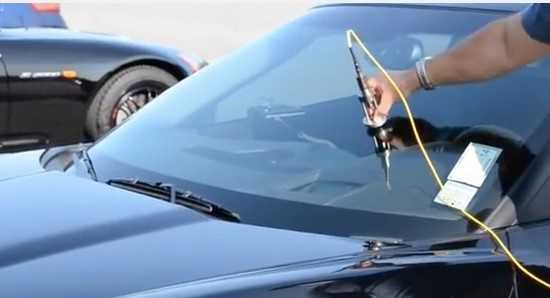
Repairing chips often involves injecting resin into the small impacted area to restore clarity and strength. Since chips are localized, this process is usually quick and straightforward. Cracks, especially longer or spreading ones, require more extensive repair, sometimes involving filling the entire length of the crack with specialized resin. In some cases, long cracks may necessitate windshield replacement if repair cannot restore structural safety. The type and extent of damage determine the most appropriate repair approach for each.
Final Thoughts
The difference between windshield crack and chip lies in their appearance and severity. A chip is a small, localized damage, often caused by rocks hitting the glass. Cracks are longer and can spread from the original point of impact, weakening the windshield.
Understanding these differences helps determine the appropriate repair approach. Small chips might be fixed easily, while larger cracks often require complete replacement. Recognizing the signs ensures safety and saves costs.
In conclusion, the difference between windshield crack and chip impacts repair decisions. Addressing damages promptly maintains safety and preserves the windshield’s integrity.

Similar Posts