What Causes Windshield Cracks And How To Prevent Them
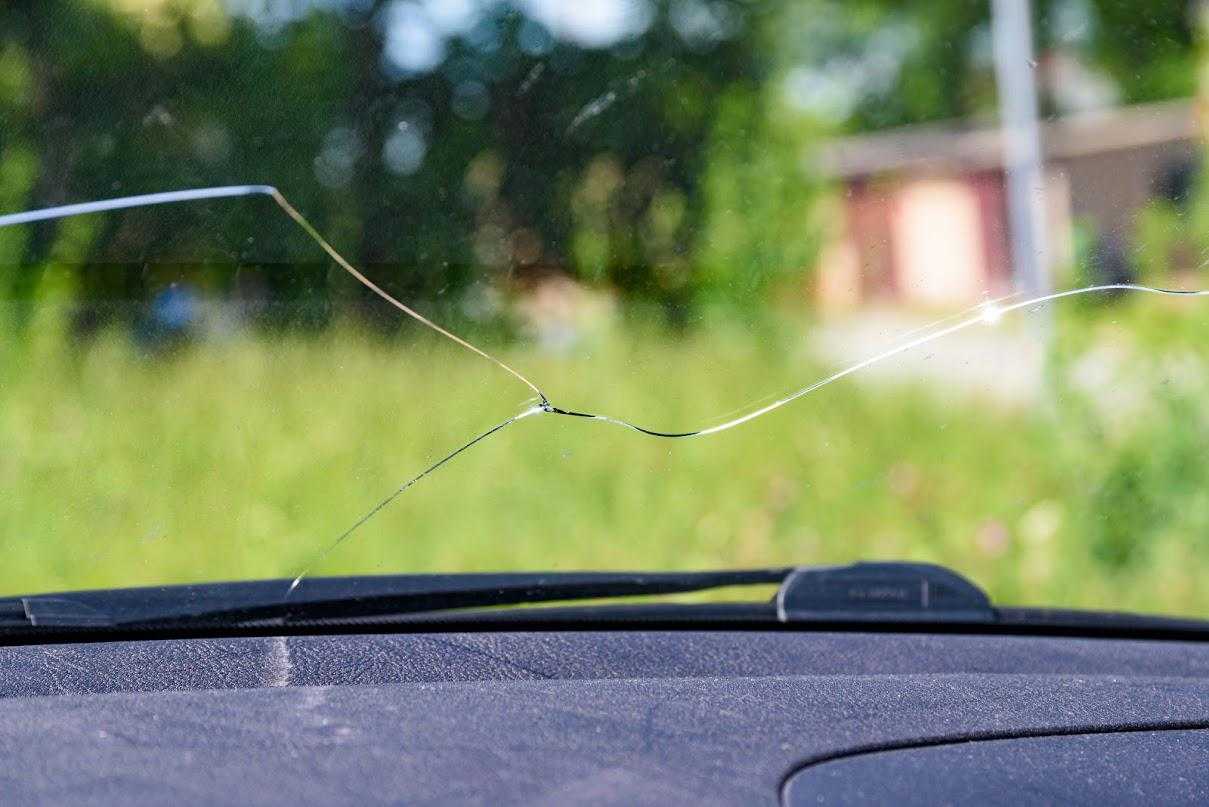
Cracks in your windshield can happen in the blink of an eye, turning a smooth drive into a stressful situation. Often, they’re caused by a combination of environmental factors and everyday mishaps, but pinpointing the exact cause can help prevent future damage.
In short, windshield cracks are primarily caused by temperature fluctuations, impacts from debris or stones, and stress from poor installation or existing chips. Recognizing these common culprits can help you take swift action to protect your vehicle.
Small chips or cracks often start from tiny impacts, like a stone hitting the glass while driving on the highway. Sudden temperature changes, such as pouring hot water on a cold windshield or exposure to direct sunlight after cold weather, cause the glass to expand and contract, leading to cracks. Additionally, structural stress or poor installation can make your windshield more vulnerable to cracking over time. Knowing these causes can help you better prevent and address windshield damage before it gets worse.

What Causes Windshield Cracks
Understanding the main causes of windshield cracks can help you prevent damage and keep your vehicle safe. Many factors contribute to cracks, and knowing these can help you take better care of your car’s glass. Let’s explore the common reasons why windshields crack in detail.
Impact from Road Debris
One of the most frequent causes of windshield cracks is hitting debris on the road. Small rocks, gravel, and other objects can fly up and strike your glass unexpectedly. Even a tiny chip from a rock can develop into a full crack over time if not repaired quickly.
- Speed matters: Hitting debris at high speeds increases the risk of cracks.
- Frequency of impact: Repeated impacts can weaken the windshield’s structure.
- Type of debris: Hard objects cause more damage than softer materials.
Temperature Fluctuations
Changes in temperature can create stress on your windshield that leads to cracks. When it’s hot outside, the glass expands, and when it cools down, it contracts. Rapid shifts between hot and cold can weaken the glass over time.
Effects of extreme heat
High temperatures can cause the glass to expand unevenly, especially if the car has been sitting in the sun. This expansion can cause small flaws to grow into cracks.
Effects of rapid cooling
Using cold water on a hot windshield or blasting the defroster on high can cause rapid cooling, increasing the risk of cracking.
Manufacturing Flaws and Weak Spots
Manufacturing defects can leave your windshield more vulnerable to damage. Sometimes, tiny air bubbles or uneven glass thickness create weak points. These imperfections can turn into cracks after minor impacts or temperature changes.
- Air bubbles: Trapped pockets of air can expand and cause fractures.
- Uneven thickness: Thin areas are more susceptible to cracking.
- Improper installation: Poor fitting can introduce stress points.
Physical Stress and Vehicle Conditions
Your vehicle’s condition and handling can also lead to windshield cracks. Rough driving, potholes, or collisions can impose force on the glass, resulting in damage.
Driving over potholes
Hitting potholes at high speeds can jolt the windshield, causing cracks or chips to form. Repeated impacts weaken the glass over time.
Collision and accidents
A collision can produce enough force to crack or shatter the windshield, especially if the impact is directly on the glass.
Vandalism and External Damage
Sometimes, cracks are caused intentionally or accidentally by external factors outside of road conditions.
- Vandalism: Hammers, rocks, or other objects can damage the glass deliberately.
- Accidental hits: Falling objects or bumps from other vehicles can create cracks.
- Environmental factors: Falling tree branches or hail can strike the windshield suddenly.
Environmental Factors
External environmental influences can also lead to cracks or chips in your windshield. Elements like hail, snow, and extreme weather conditions pose risks.
Hailstorms
Large hailstones can hit your windshield with enough force to cause cracks or shattering. Hail damage is often immediate and severe.
Snow and ice buildup
Ice can create pressure on the glass, especially when it’s frozen around the edges. Removing ice improperly can also cause cracks.
Sun exposure
Prolonged exposure to sunlight weakens windshield glue and materials around the glass, making it more prone to cracking later.
Incorrect Repairs and Maintenance
Poor repair work can create weak spots that are more vulnerable to cracking. Using improper materials or techniques can compromise the integrity of your windshield.
- Inadequate filling of chips: Unfilled or poorly filled chips can grow into bigger cracks.
- Delayed repairs: Waiting too long to fix small damages allows cracks to spread.
- Choosing unqualified technicians: Improper installation or repair can weaken the glass.
Knowing what causes windshield cracks helps you take simple steps to avoid damage and prolong the life of your glass. Be mindful of road hazards, temperature changes, and environmental effects. Regular maintenance and prompt repairs can prevent minor flaws from turning into major cracks. By understanding these causes, you can better protect your vehicle and ensure your safety on the road.
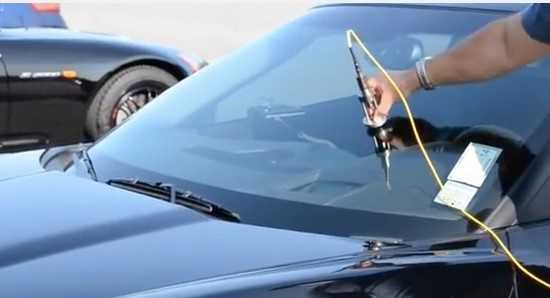
How to Repair a Windshield Chip or Crack
Frequently Asked Questions
What environmental factors can lead to windshield cracks?
Environmental factors like extreme temperature fluctuations, exposure to direct sunlight, and rapid cooling or heating can cause windshield cracks. High temperatures can weaken the glass, while sudden temperature changes create stress points that may lead to cracks. Additionally, exposure to harsh weather conditions such as hail or heavy snowfall can physically damage the glass and initiate cracking.
How does driving on rough or uneven roads contribute to windshield damage?
Driving over potholes, speed bumps, or uneven surfaces subjects the windshield to sudden impacts and stress. These abrupt jolts can cause existing minor chips to crack further or create new cracks. Constant vibrations from rough roads weaken the structural integrity of the glass over time, increasing the likelihood of cracks forming.
Can debris or objects hitting the windshield cause cracks?
Yes, projectiles like stones, gravel, or other debris can strike the windshield while driving and cause chips or cracks. The force of impact, especially at high speeds, can break the glass or worsen existing damage, leading to larger cracks that compromise the windshield’s strength and clarity.
What role does manufacturing quality play in windshield crack formation?
The quality of materials and manufacturing processes influences how well a windshield withstands stress. A windshield made with subpar materials or improper manufacturing may have hidden flaws or uneven layers, making it more susceptible to cracking under everyday stresses like temperature changes or minor impacts.

Similar Posts