Is Laminated Glass Worth The Cost For Your Home
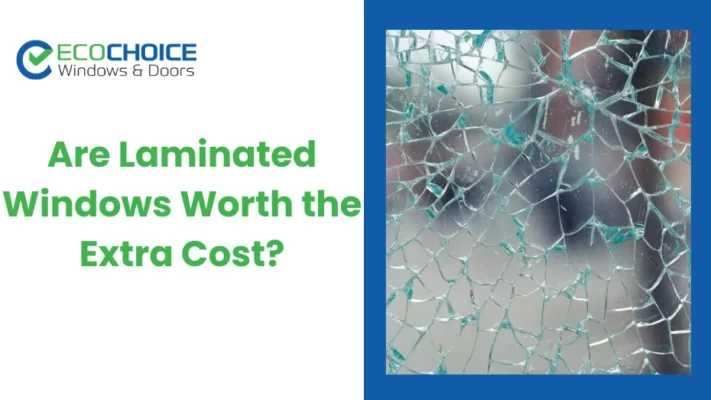
Laminated glass is definitely worth the cost if safety, security, and durability are priorities for your space. Its ability to hold shattered pieces together and block harmful UV rays makes it a smart investment for both homes and businesses. While the initial expense can seem high, the long-term benefits often outweigh the costs.
Laminated glass is a practical choice for many applications due to its enhanced safety features and energy efficiency, making it a worthwhile investment over time. Whether you’re considering it for windows, doors, or skylights, understanding its benefits can help you decide if it’s the right fit for your needs.
If you’re debating whether laminated glass justifies its price, it’s essential to weigh the safety, security, and energy savings it provides. In this article, we’ll explore the key advantages of laminated glass to help you determine if it’s a cost-effective solution that adds value and protection to your property.

Is Laminated Glass Worth the Cost? An In-Depth Look
Understanding What Laminated Glass Is
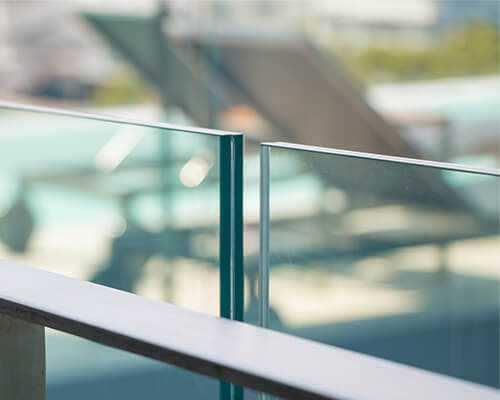
Laminated glass is made by bonding two or more layers of glass together with a plastic interlayer, usually polyvinyl butyral (PVB). This creates a strong, durable sheet that holds together even when broken. Unlike regular glass, laminated glass doesn’t shatter into sharp pieces, making it safer for homes and buildings.
Advantages of Laminated Glass
Laminated glass offers several benefits that make it worth considering despite its higher price. Its main advantages include enhanced safety, increased security, better UV protection, and improved noise reduction. These features make laminated glass an ideal choice for both residential and commercial use.
Safety and Security
Because laminated glass stays in one piece when broken, it significantly reduces the risk of injuries from sharp glass shards. This makes it an excellent option for windows in homes, schools, and hospitals. It also helps prevent intruders from entering, as it’s harder to break through.
UV Protection and Energy Efficiency
The plastic layer in laminated glass blocks most ultraviolet rays, protecting indoor furniture and fabrics from fading. It also helps in reducing heat transfer, which can lead to lower energy costs. This dual benefit makes laminated glass both practical and cost-effective over time.
Noise Reduction
Laminated glass can absorb sound vibrations, offering excellent acoustic insulation. This is especially valuable in busy urban areas where external noise can disturb daily life or work. The quiet environment created by laminated glass can justify the initial investment.
Factors Affecting the Cost of Laminated Glass
While laminated glass provides many benefits, its cost depends on several factors. Knowing these can help you determine if the investment fits your budget and needs.
Thickness and Size of the Glass
Thicker and larger sheets of laminated glass generally cost more. The specific thickness, such as 1/4 inch or 1/2 inch, impacts the price. Custom sizing also adds to the overall cost.
Type of Plastic Interlayer
Different interlayer materials or added features, like tinted or reflective coatings, can influence the price. Higher-quality or specialized interlayers tend to be more expensive but may offer extra benefits.
Additional Features and Coatings
Options such as UV filtering, soundproofing, or solar control coatings increase costs but can provide tailored solutions. Weigh these options carefully to determine if they are worth the extra expense.
Cost Comparison: Laminated Glass vs. Regular Glass
It’s helpful to compare the costs of laminated glass with standard annealed glass. Typically, laminated glass costs roughly 30 to 50 percent more per square foot. However, this initial difference can be offset by long-term savings and safety benefits.
- Regular glass: Lower initial cost but less safe and durable.
- Laminated glass: Higher upfront cost but offers safety, security, and added benefits.
Long-Term Savings and Return on Investment
Although laminated glass costs more upfront, its durability and safety features can lead to savings over time. Fewer replacements and repairs, reduced energy bills, and peace of mind make it a cost-effective choice in the long run.
Reduced Replacement and Repair Costs
Since laminated glass is less likely to shatter into dangerous shards, it often requires fewer repairs after breakage. Its resilience means less frequent replacements, saving money.
Lower Energy Bills
The insulating properties of laminated glass can cut energy costs by maintaining indoor temperatures more effectively. This benefit pays off over the years through reduced heating and cooling expenses.
Enhanced Safety and Security
Laminated glass offers peace of mind that vulnerable areas are protected against break-ins or accidents. This added security can be especially valuable in high-risk environments and may lower insurance premiums.
Is Laminated Glass Appropriate for Your Needs?
Deciding whether laminated glass is worth the cost depends on your specific situation and priorities.
Home Use
For residential applications, laminated glass provides safety for families and pets. It’s also beneficial in areas prone to storms or hurricanes, where impact resistance is crucial.
Commercial and Public Spaces
In commercial buildings and public spaces, laminated glass improves security, reduces noise, and protects occupants from UV rays. Its durability supports long-term investments in safety and comfort.
Design and Aesthetic Considerations
Laminated glass is available in various colors, tints, and finishes, allowing for creative architectural designs. These options can add aesthetic value while offering practical benefits.
Limitations and Challenges of Laminated Glass
Despite its advantages, laminated glass does have some limitations to consider.
Higher Initial Cost
The upfront expense is notably higher than regular glass, which may be a concern for budget-conscious projects.

Similar Posts