Why Is My Windshield Fogging Up At Night Causes And Fixes
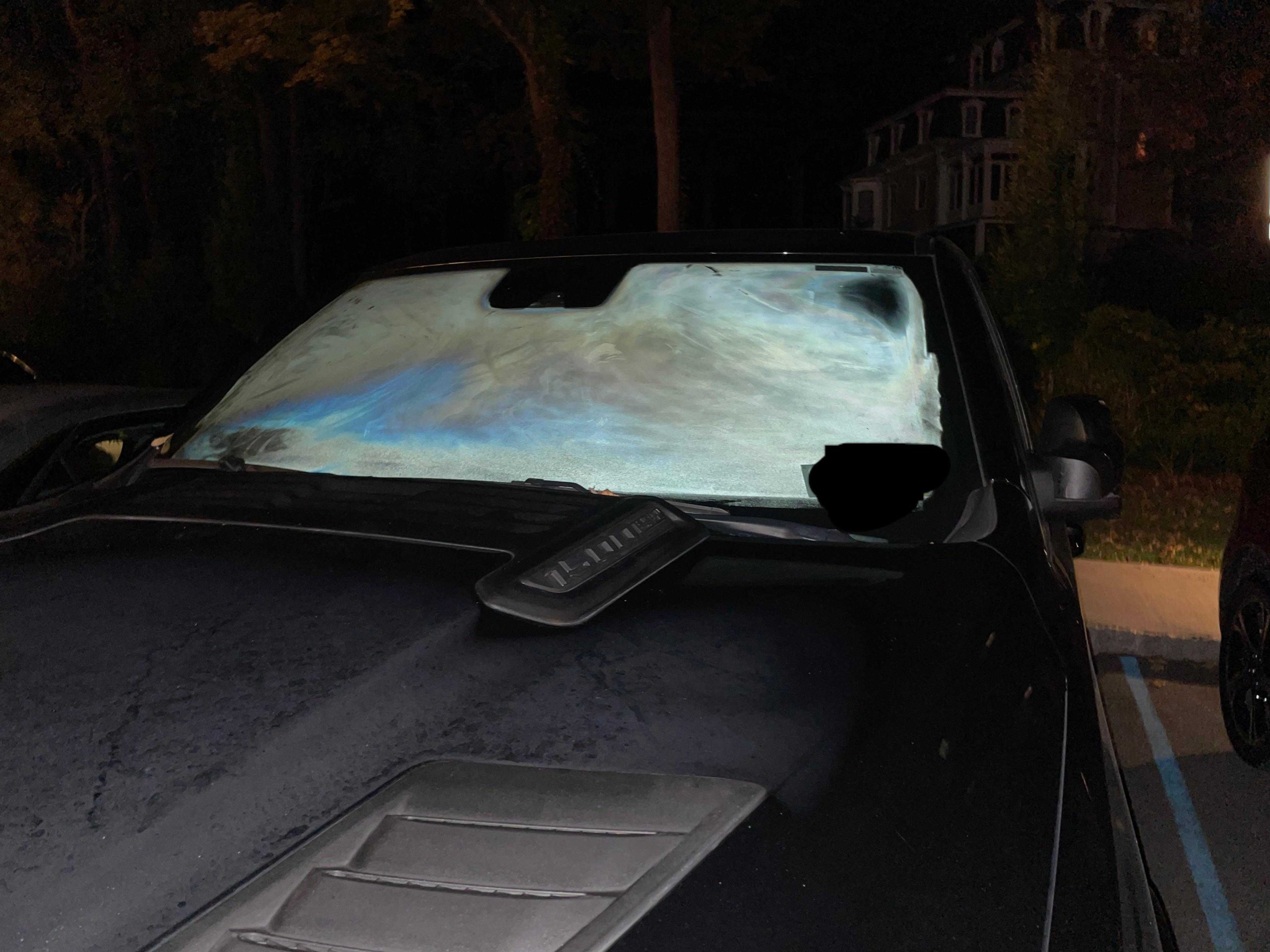
Your windshield fogging up at night can be frustrating and even dangerous while driving. The main reason behind this is the temperature and humidity difference between the inside and outside of your vehicle, which causes condensation to form on the glass. To quickly prevent this, use your defroster and ensure your car’s ventilation system is working properly.
In short, your windshield fogs up at night because warm, moist air inside your car meets the cold glass, creating condensation. This is a common issue, especially in colder months, and can be managed by controlling humidity levels and using proper defrost techniques. Understanding the causes helps you take swift action to stay safe and maintain clear visibility on the road.
When the temperature drops and moisture builds up inside your vehicle, it’s no surprise that your windshield becomes foggy. This often happens because the warm air inside your car holds more moisture, which then condenses as the air cools on the cold glass. The problem worsens at night, especially if your car is parked in a humid environment or if you breathe heavily while sleeping inside. Luckily, simple steps like turning on your defroster, increasing airflow, and reducing humidity inside the car can clear your windshield quickly. Recognizing the factors involved in fogging helps you avoid distractions and accidents caused by poor visibility.

Why Is My Windshield Fogging Up at Night?
Understanding the Basics of Fogging
Fogging on your windshield happens when humid air inside your car comes into contact with the cooler glass surface. This causes moisture to condense into tiny water droplets, creating fog that blocks your view. Usually, fogging is more noticeable at night because temperatures drop, making the glass cooler.
Why Does Temperature Play a Role?
At night, the temperature outside decreases significantly, leading to lower windshield temperatures. When the warm, moist air inside your vehicle touches the cold glass, condensation occurs. This is why your windshield fogs up more often after sunset or during chilly mornings.
Moisture Sources Inside Your Car
Moisture inside your vehicle mainly comes from daily activities. Breathing releases humid air, especially if you or passengers are cold or sick. Other sources include:
- Wet clothes or umbrellas stored in the car
- Carpets or seats soaked from rain or spilled drinks
- Snow or ice melting on shoes or clothing
All these add to the humidity, making fog more likely.
External Conditions Contributing to Fogging
Environmental factors can intensify windshield fogging at night. These include:
- High humidity levels outside, especially during rainy or humid weather
- Temperature swings between day and night
- Cold air blowing against the windshield
Such conditions create the perfect environment for fog to develop.
How the HVAC System Affects Fogging
Your vehicle’s heating, ventilation, and air conditioning (HVAC) system plays a big role in controlling humidity levels inside the car. When the system is not functioning properly, excess moisture remains trapped inside.
Properly using the AC or defrost modes helps dry the air and clear fog. Some vehicles also have special features like automatic defogging, which turn on when needed.
Common Mistakes That Worsen Fogging
Many drivers unknowingly make fogging worse by:
- Using only the heat without the air conditioning, which can increase humidity inside
- Not turning on the defrost or air circulation settings
- Blocking air vents, preventing proper airflow
- Leaving windows slightly open, allowing humid air to enter
Avoiding these habits can help keep your windshield clear.
How to Prevent Windshield Fogging at Night
Prevention is the best way to keep your windshield fog-free. Some effective methods include:
- Turning on the defrost and AC settings early, before fog forms
- Using the air recirculation mode cautiously, as it can trap humidity inside
- Increasing airflow to the windshield from vents
- Keeping the car’s interior dry—remove wet clothes and mats regularly
- Using anti-fog sprays or treatments on the glass
Implementing these tips at night ensures better visibility when you drive.
Best Practices for Clearing Fog Quickly
If your windshield fogs up suddenly, follow these steps to clear it fast:
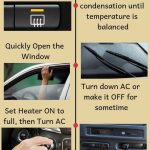
- Switch to the defrost mode and turn the air conditioning on
- Adjust the fan speed to maximum to push air onto the glass
- Ensure air is directed toward the windshield and side windows
- Use the windshield wipers if the fog is thick or accompanied by rain
- Keep the interior dry to prevent re-fogging
Quick action reduces fog build-up and improves your safety.
Additional Tips for Maintaining Clear Windows
Keep your windows clear by maintaining the following:
- Regularly cleaning the inside and outside of your windshield with glass cleaner
- Applying anti-fog coatings periodically
- Checking and replacing cabin air filters to ensure proper airflow
- Using moisture absorbers or desiccants inside the vehicle
A clean and well-maintained windshield resists fogging better.
Understanding the Role of Cabin Air Quality
Good cabin air quality reduces excess humidity. Proper ventilation allows moist air to escape and fresh air to enter. If your vehicle has an air quality sensor or air purifier, utilize these features for better control over interior humidity.
When to See a Professional
Persistent fogging despite proper use of defogging methods may indicate a problem with your vehicle’s HVAC system. Issues such as clogged vents, a malfunctioning compressor, or a damaged seal require professional inspection. Regular maintenance ensures your defogging system works efficiently.
How Weather Forecasts Can Help
Monitoring local weather conditions allows you to prepare for foggy nights. When rain or high humidity is expected, take extra precautions. Using preemptive defogging techniques before driving can make a significant difference.
Related Topics to Explore
- How to maintain your vehicle’s HVAC system
- Best anti-fog products and treatments for car windows
- Tips for driving safely in foggy weather
- How to clean and replace your cabin air filter
- Understanding your car’s climate control features
Managing windshield fogging requires understanding the causes and adopting proper preventive measures. By controlling interior humidity, using your HVAC system correctly, and maintaining your vehicle, you can keep your windshield clear and ensure safe driving at night.
Never Get Foggy Car Windows Again
Frequently Asked Questions
What causes condensation to form on my windshield during nighttime driving?
Condensation occurs when the warm, moist air inside your vehicle comes into contact with the cooler surface of the windshield. At night, temperatures often drop, making the glass cooler than the indoor air. When the humid air touches the cold surface, it releases moisture, leading to fogging. Managing interior humidity and increasing airflow can help reduce condensation.

Similar Posts