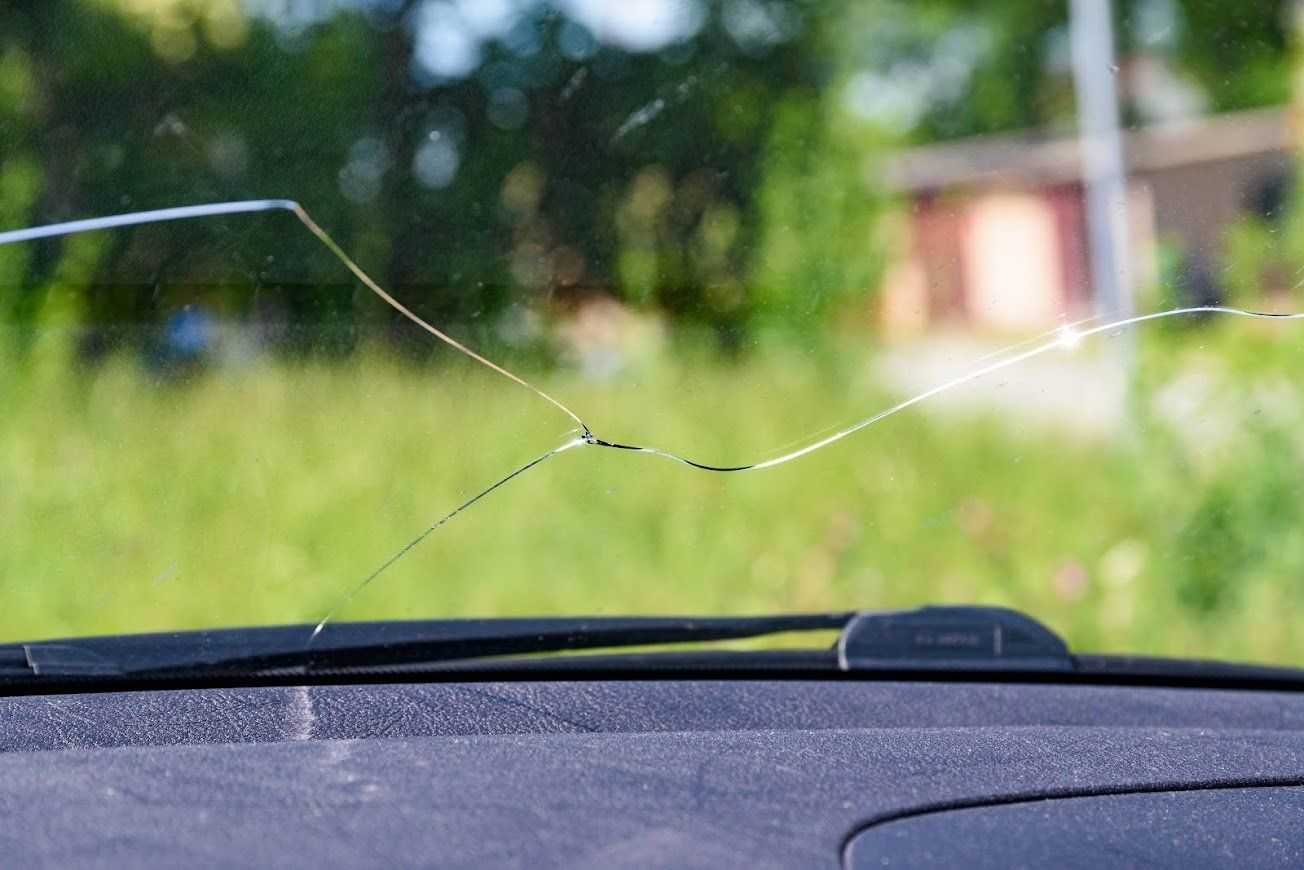
A sudden crack in your windshield during a hot day can be startling and frustrating. The heat causes the glass to expand, and any existing stress points or tiny chips can quickly turn into full-blown cracks. When temperatures soar, the rapid heating and cooling cycle can make the glass more vulnerable to damage, especially if your windshield is already compromised.
In short, windshields crack in hot weather mainly because the intense heat causes the glass to expand unevenly, and combined with existing chips or stress points, it leads to cracks. Sudden temperature changes, like pouring cold water on a hot windshield or parking in direct sunlight after a cool morning, can further exacerbate this issue. Understanding how heat impacts your windshield can help you take steps to prevent those unwanted cracks.
Hot weather creates a perfect storm for windshield cracks by causing the glass to expand unevenly, especially when there are pre-existing chips or stress points. Rapid temperature shifts, like exposure to direct sunlight or sudden cooling, can make the glass more fragile. To keep your windshield intact, avoid abrupt temperature changes and address any chips early.

Why Does Windshield Crack in Hot Weather?
Understanding the Nature of Windshield Cracks
Cracks in windshields often happen unexpectedly, especially during hot weather. A tiny chip can grow into a large crack if exposed to high temperatures. These cracks are usually caused by the glass expanding and contracting rapidly. When glass quality is not optimal or existing chips are present, the chances of cracking increase. The process of windshield cracking in hot weather involves physical and chemical changes in the glass material.
The Science Behind Glass Expansion and Contraction
Glass is sensitive to temperature changes. When exposed to heat, the molecules in the glass move more vigorously, causing expansion. Conversely, cooler temperatures make the glass contract. In hot weather, the rapid expansion can put stress on the already weak points in the glass. When the stress becomes too high, cracks form or existing cracks grow larger. This process is accelerated by direct sunlight and high ambient temperatures.
Why Hot Weather Causes Windshield Cracks: Key Factors
Several factors contribute to windshield cracks during hot weather. These include:
- Sudden Temperature Changes: Moving from a cold environment into hot weather causes quick expansion of glass.
- Sun Exposure: Direct sunlight heats the glass unevenly, leading to stress points.
- Existing Chips and Cracks: Small damages weaken the structural integrity of the windshield, making it more prone to cracking in the heat.
- Material Quality: Cheaper glass or improperly installed windshields are more vulnerable.
Impact of Temperature Fluctuations on Crack Development
Temperature fluctuations within a single day can worsen existing cracks. Morning dew followed by midday sun causes the glass to cool and heat repeatedly. This cycle can create internal stress, enlarging tiny cracks slowly. Continuous exposure accelerates crack growth, sometimes leading to windshield failure.
How Sunlight Contributes to Cracking
Sunlight plays a major role in windshield cracking in hot weather. The UV rays and heat from the sun cause the glass to heat unevenly, especially if part of the windshield is shaded and other parts are directly exposed. This uneven heating causes internal stress and increases the risk of cracks. UV rays can also weaken the glass over time, reducing its overall strength.
Effects of Ambient Temperature and Hot Days
High ambient temperatures, especially during heatwaves, significantly increase the likelihood of cracks. Temperatures over 90°F (32°C) can cause the glass to reach critical stress points more quickly. On very hot days, the heat may cause existing small chips or cracks to expand rapidly, sometimes within hours.
Importance of Car Parking Habits in Hot Weather
Parking your car in direct sunlight enhances the risk of windshield cracks. The intense heat promoted by strong sunlight causes the glass to heat unevenly. Using shaded parking spots or using sunshades can limit temperature buildup. Keeping the car cool can prevent the glass from expanding too rapidly and developing cracks.
Prevention Tips for Avoiding Windshield Cracks in Hot Weather
Preventing cracks during hot days involves simple habits and maintenance practices. Here are some effective tips:
- Park in Shade or Covered Areas: Limit direct sun exposure to keep the windshield cooler.
- Use Sunshades or UV Protectors: These accessories help reduce the internal temperature of the vehicle.
- Avoid Sudden Temperature Changes: Don’t pour cold water on a hot windshield or turn on the AC suddenly from a hot car.
- Repair Chips and Cracks Quickly: Small damages are easier to fix before they grow larger during hot weather.
- Check the Quality of Windshield Glass: High-quality glass resists cracking better under stress.
The Role of Windshield Material and Quality in Heat Resistance
Windshields made from laminated safety glass are designed to withstand different stresses. High-quality glass incorporates better bonding layers and materials that expand less under heat. Cheaper, low-grade windshields may be more prone to cracking because they lack these protective features. Proper installation also ensures better resistance to temperature-induced stress.
Signs Your Windshield Is at Risk During Hot Weather
Being aware of warning signs can help prevent larger cracks. These signs include:
- Small chips or pitting appearing or enlarging
- Visible stress marks or fine cracks after exposure to heat
- Uneven windshield tint or distortions caused by stress points
Keeping an eye on these signs and acting quickly can save you money and prevent dangerous driving conditions.
Impact of External Elements on Windshield Cracking
Apart from heat, other external elements can combine with high temperatures to worsen crack development. For example:
- Road Debris: Stones kicked up by other vehicles can create chips or cracks.
- Insects and Bird Droppings: These can weaken the glass surface if left uncleaned.
- Pollution and Acid Rain: Chemical compounds can erode the glass and lead to weakness under heat stress.
Understanding the Lifecycle of a Crack in Hot Weather
Initially, small chips may seem harmless but can worsen rapidly under heat stress. Over time, cracks can extend across large portions of the windshield, impairing visibility. Recognizing early signs and repairing them swiftly can prevent the need for a full windshield replacement.
When to Seek Professional Help
If you notice any cracks deepening or spreading, consult a professional immediately. Experts can assess whether the windshield can be repaired or needs replacement. Addressing cracks early is crucial, especially during hot weather, to ensure safety and prevent further damage.
In Summary
Hot weather causes windshield cracks mainly because of the expansion of glass due to heat, uneven heating from sunlight, and the presence of pre-existing damage. Preventive measures such as parking in shade, avoiding sudden temperature changes, and fixing chips promptly are essential. Understanding these factors helps keep your windshield intact and ensures your safety on the road during hot days.
Can hot weather cause your windshield glass to shatter?
Frequently Asked Questions
How does temperature fluctuation impact windshield integrity during hot weather?
Fluctuations in temperature, especially during hot weather, cause the glass to expand and contract. When the sun heats the windshield, the outer surface becomes hotter than the interior, creating stress within the glass. Repeated cycles of heating and cooling weaken the material over time and increase the likelihood of cracks forming or spreading.
Why do small chips tend to develop into larger cracks in hot conditions?
Small chips on the windshield are more prone to spreading in hot weather because the heat causes the glass around the chip to expand. This expansion adds stress to the already weakened area, making it easier for small chips to grow into larger cracks, especially when combined with temperature changes or vibrations.
Can direct sunlight accelerate windshield cracking in hot environments?
Yes, direct sunlight significantly accelerates cracking because it causes the glass to heat unevenly. The sun’s rays intensely heat the outer surface while the interior remains cooler, increasing internal stress. Over time, this uneven heating weakens the glass structure and increases the risk of cracks developing or worsening.
Does the quality of the windshield influence its susceptibility to cracking in hot weather?
Absolutely. Higher-quality windshields are designed to withstand temperature variations better due to superior manufacturing processes and materials. Cheaper or older windshields tend to be more brittle and less resistant to thermal stress, making them more vulnerable to cracking under hot weather conditions.
Final Thoughts
Windshield cracks often occur in hot weather because extreme heat causes the glass to expand. When temperatures fluctuate suddenly, the stress increases, making cracks more likely to develop. Additionally, direct sunlight weakens the structure over time.
Understanding why windshield crack in hot weather helps drivers take preventive steps, such as parking in shaded areas or using sunshades.
In conclusion, the main reason why windshield crack in hot weather is due to thermal stress from high temperatures and rapid cooling. Taking simple precautions can significantly reduce this risk.

- How To Fix Laminated Windshield Chip Effectively - October 29, 2025
- How To Repair Laminated Glass Crack Effectively - October 29, 2025
- How To Clean Laminated Glass Properly For Sparkling Results - October 29, 2025