Will A Windshield Crack Pass Inspection Tips

A crack in your windshield can be a stressful sight, especially when you’re worried about passing a vehicle inspection. The good news is, small chips and minor cracks often won’t prevent you from passing, but larger or more severe damage likely will. It’s essential to understand the specific inspection standards in your area to avoid surprises at your vehicle check.
In short, whether your windshield crack will pass inspection depends on its size, location, and severity. Minor cracks under a certain length are usually acceptable, but larger or obstructive damage can cause you to fail. Addressing cracks early can save you money and avoid inspection headaches.
Cracks and chips in your windshield not only affect your vehicle’s safety but can also determine whether your car passes a safety inspection. Many drivers wonder if a crack will cause them to fail the inspection, and the answer largely depends on the size, location, and type of damage. Small chips or cracks that are less than a few inches typically won’t lead to a failure, but anything larger or in the driver’s line of vision might. Regulations vary by state or country, but the general rule is that the windshield must remain clear, structurally sound, and free from significant damage. If you’re unsure, it’s best to have your windshield inspected and repaired before heading to the inspection station. Ignoring cracks can lead to costly repairs later and possibly compromise your safety on the road.

Will a Windshield Crack Pass Inspection? What You Need to Know
Understanding Vehicle Inspection Standards
Vehicle inspections are meant to ensure safety and compliance with state laws. Inspectors focus on many parts of your car, including the windshield. A clear, crack-free windshield sometimes is a requirement for passing. But how do cracks affect your chances? Let’s look into what inspectors consider acceptable.
Common Types of Windshield Cracks and Chips
Windshields can get damaged in several ways. Here are some common types:
- Stress cracks: These often develop from temperature changes and are usually short but may spread.
- Bullseyes: Circular chips caused by small stones hitting the glass.
- Star cracks: Cracks that radiate outward from point of impact, resembling a star.
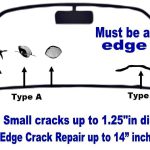
- Edge cracks: Cracks running along the edges, often weakening the glass integrity.
Understanding these types helps determine if your windshield might pass inspection.
Are Small Cracks and Chips Allowed?
Many states permit small cracks or chips to pass inspection if they do not impair visibility. Usually:
- Cracks smaller than 1/4 inch in diameter are less likely to cause a failure.
- Chips less than 3/8 inch typically are acceptable.
- Cracks that do not obstruct your view are more likely to be overlooked by inspectors.
However, rules vary by state and inspection station, so checking local regulations is important.
Impact of Crack Size and Location on Inspection
Crack size is critical when passing inspection. Larger cracks or those in key areas affect safety. Key points include:
Cracks in the Driver’s Line of Sight
Cracks directly in the driver’s view are often grounds for rejection. Inspectors need to see a clear view to ensure safety.
Cracks Near the Edges of the Windshield
Cracks near the edges weaken the glass and are more likely to cause failure. Inspectors view edge cracks as a safety hazard.
Cracks on the Inner Side
Cracks behind the glass layers may be less visible but still affect safety and inspection outcomes.
How Cracks Influence Windshield Structural Integrity
A windshield’s main role is to protect occupants during accidents. Even small cracks can compromise this.
- Cracks can expand over time, especially with temperature changes or vibrations.
- Structural damage reduces the windshield’s ability to withstand impacts.
- Inspectors look for cracks that might threaten safety if the windshield fails during a collision.
A well-maintained, crack-free windshield is less likely to fail inspection and ensures safety.
Can a Cracked Windshield Be Repaired?
Many minor cracks and chips can be fixed without replacing the entire windshield. Repairs can be quick and cost-effective.
When is Repair Recommended?
- Cracks smaller than 1/4 inch in diameter
- Chips less than 3/8 inch across
- Cracks not directly in the driver’s line of sight
Repair Limitations
- Cracks in the edges of the windshield often require replacement.
- Multiple cracks or large ones may not be repairable.
- If the crack has already spread significantly, replacement is usually necessary.
Professional repair can restore the windshield’s strength and improve chances of passing inspection.
When Should You Replace Your Windshield?
If the crack is large or in a critical area, replacement becomes the best option. Signs include:
- Cracks longer than 6 inches
- Cracks spanning the entire width of the glass
- Multiple cracks or complex damage
- Cracks inside the driver’s line of sight
Replacing the windshield ensures safety, enhances vehicle appearance, and boosts your chances of passing inspection.
Additional Tips to Pass Inspection with a Cracked Windshield
Here are some practical tips:
- Get Repairs Done Early: Fix small cracks before they spread or cause inspection issues.
- Use Quality Repair Services: Professional repairs last longer and are more reliable.
- Maintain Your Windshield: Avoid extreme temperature changes and park in the shade to prevent cracks from worsening.
- Keep It Clean: Dirt and debris can hide cracks or chips from inspectors.
Following these practices can help you pass inspections even if your windshield has minor damage.
Related Topics to Consider
Cracks are just part of vehicle maintenance. Other factors can influence your vehicle’s inspection status:
- Window tint laws: Ensure your tint complies with local regulations.
- Mirror and lighting checks: Proper operation of lights and mirrors is also inspected.
- Windshield wipers and defrosters: Functional wipers and defrost systems are mandatory for safety.
Keeping these elements in good condition will help you pass your overall vehicle inspection.
Summary: Do Cracks Affect Your Inspection Chances?
In general, small, unobstructive cracks may not prevent your vehicle from passing. However, larger or dangerous cracks typically lead to failure. Regular maintenance and repairs can improve your odds of clearing the inspection. Always check local regulations and consider professional repair options. Staying proactive about windshield care keeps you safe on the road and helps ensure your vehicle remains compliant.
When Will A Cracked Windshield Pass? | Standard Safety Inspection – Body

Similar Posts






One comment
Comments are closed.


[…] Windshield repairs for minor chips and cracks […]